
Last updated November 25, 2026
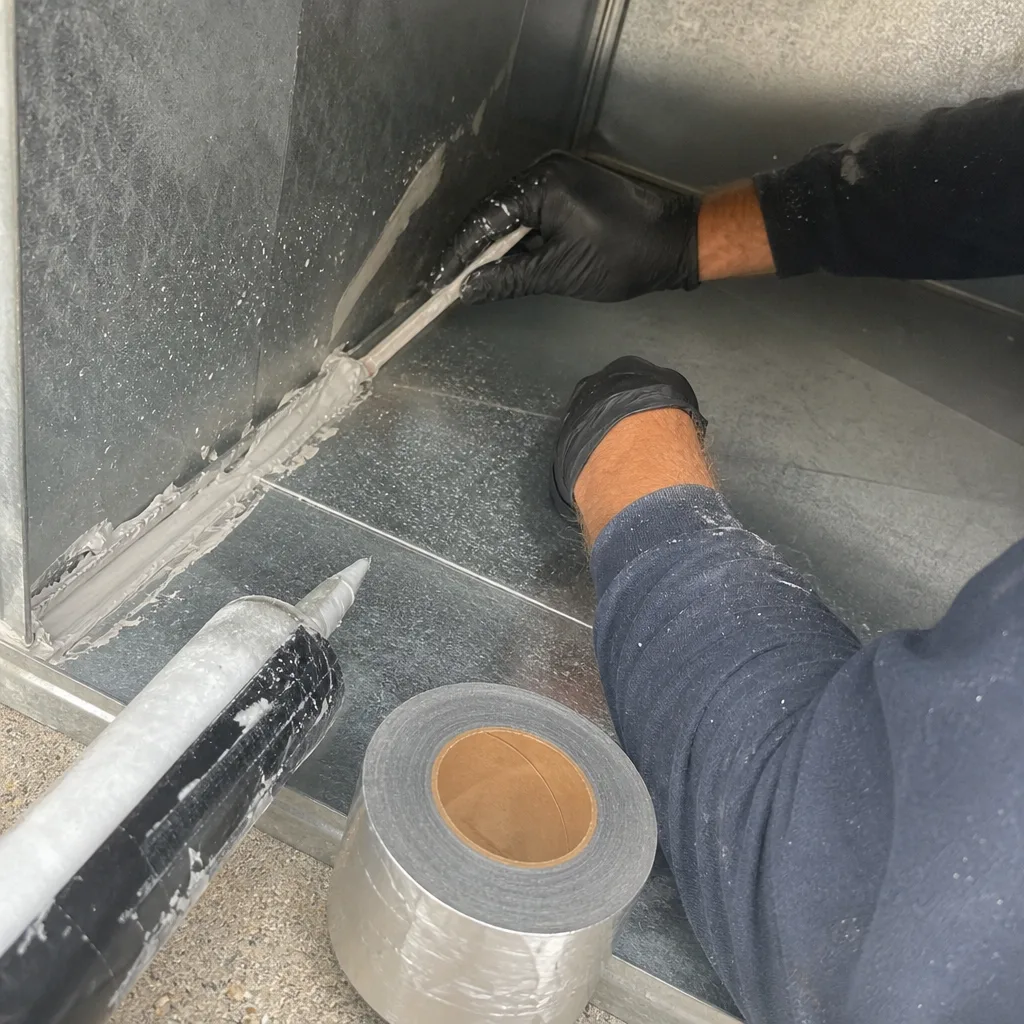
 Whole-home duct cleaning
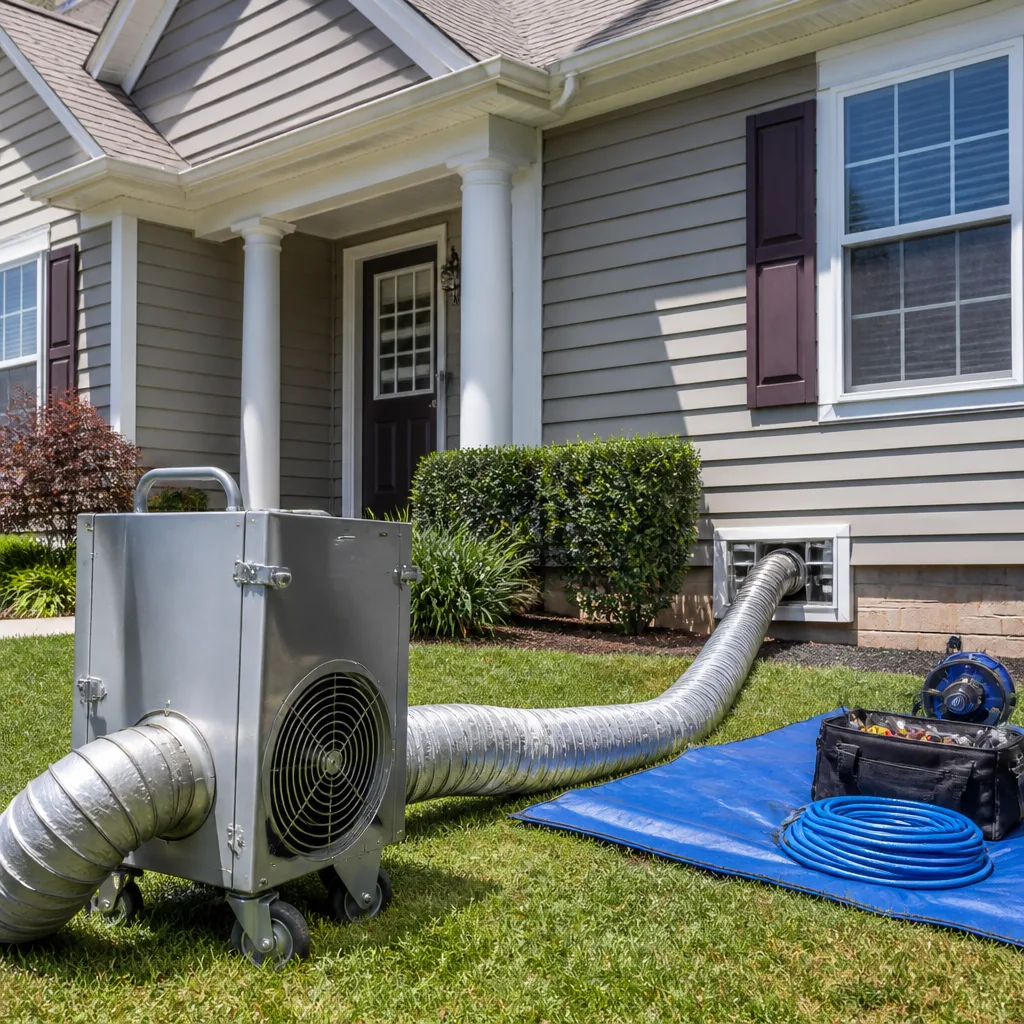
 Dryer vent cleaning
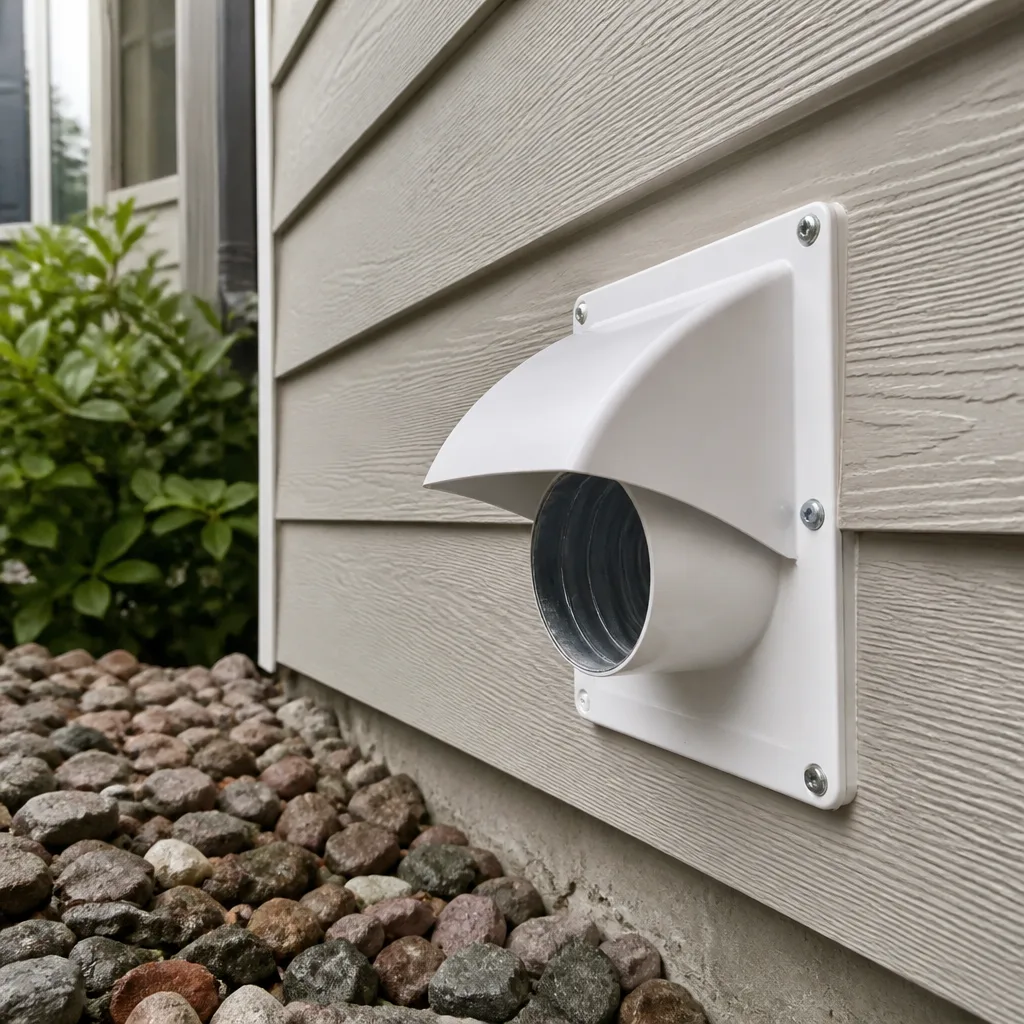
 Camera inspection
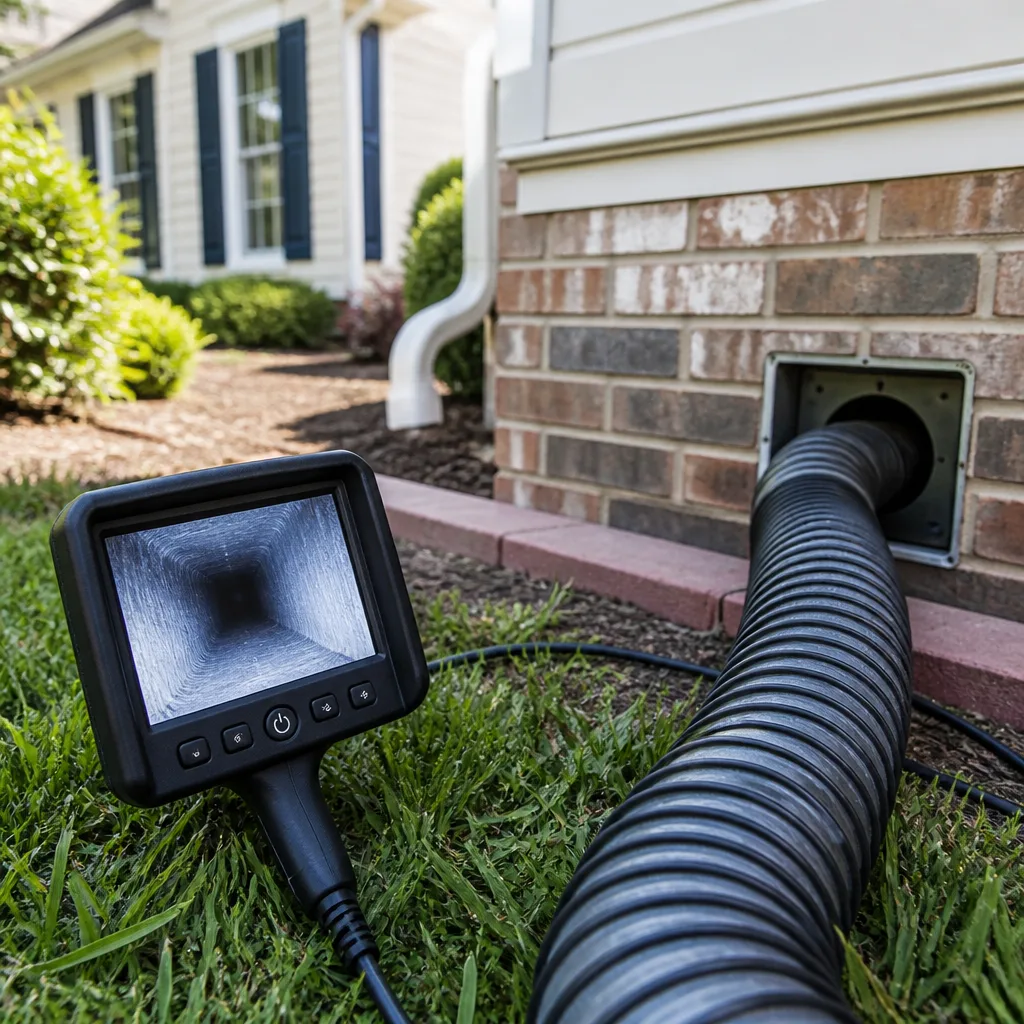
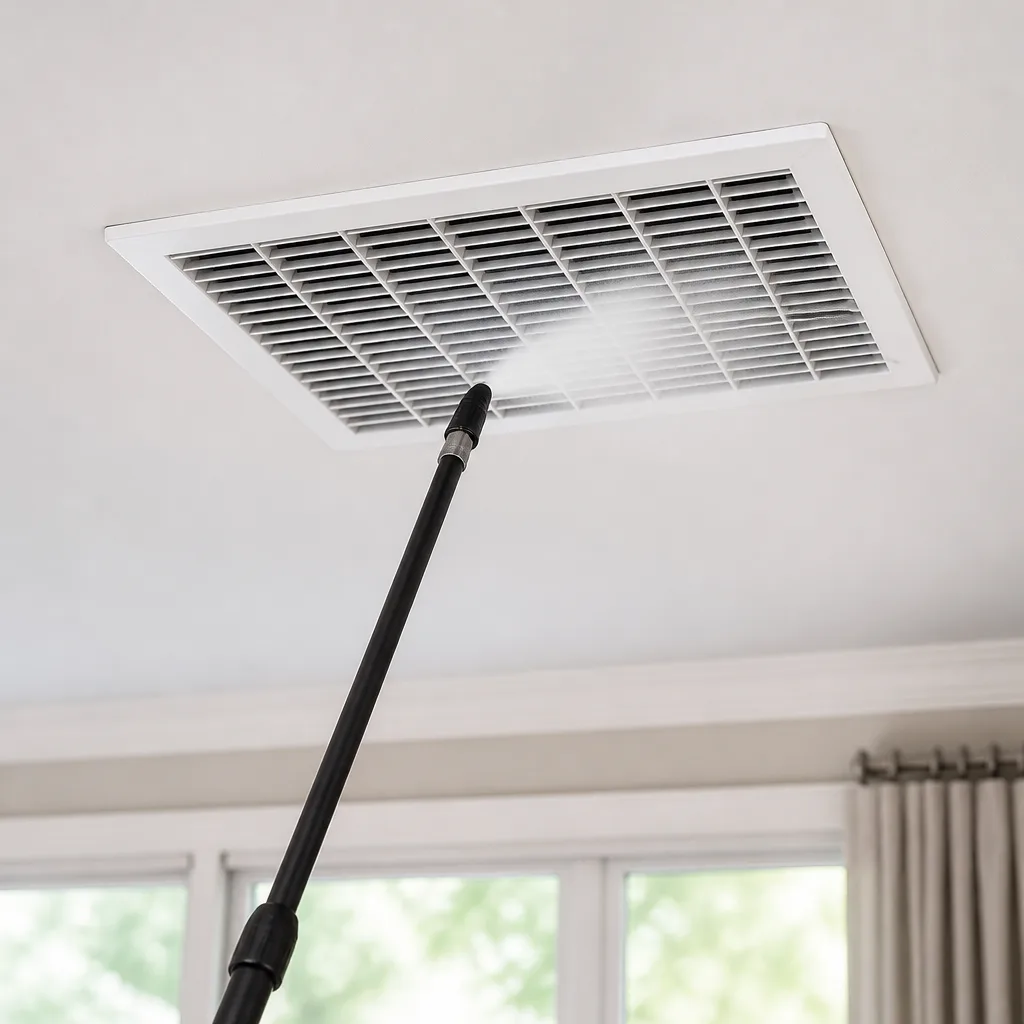 Sanitizing & deodorizing
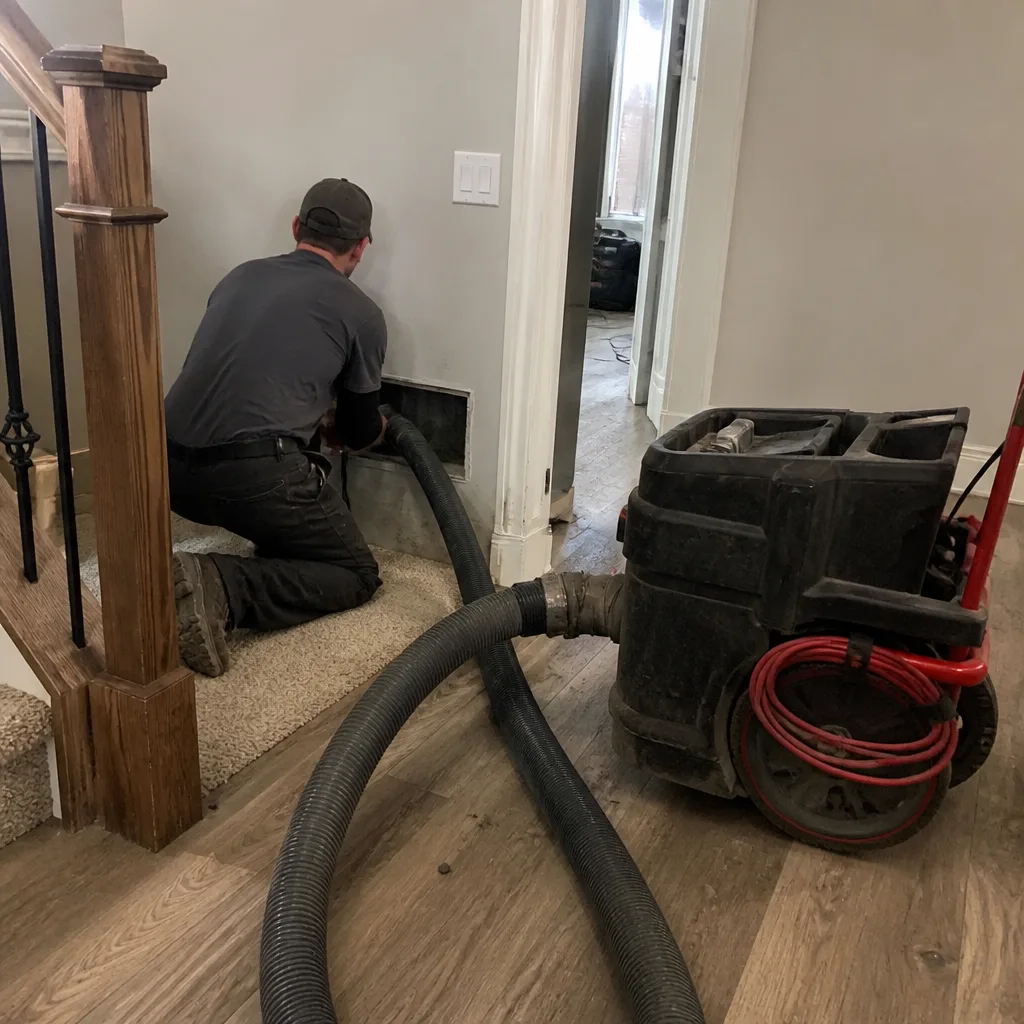
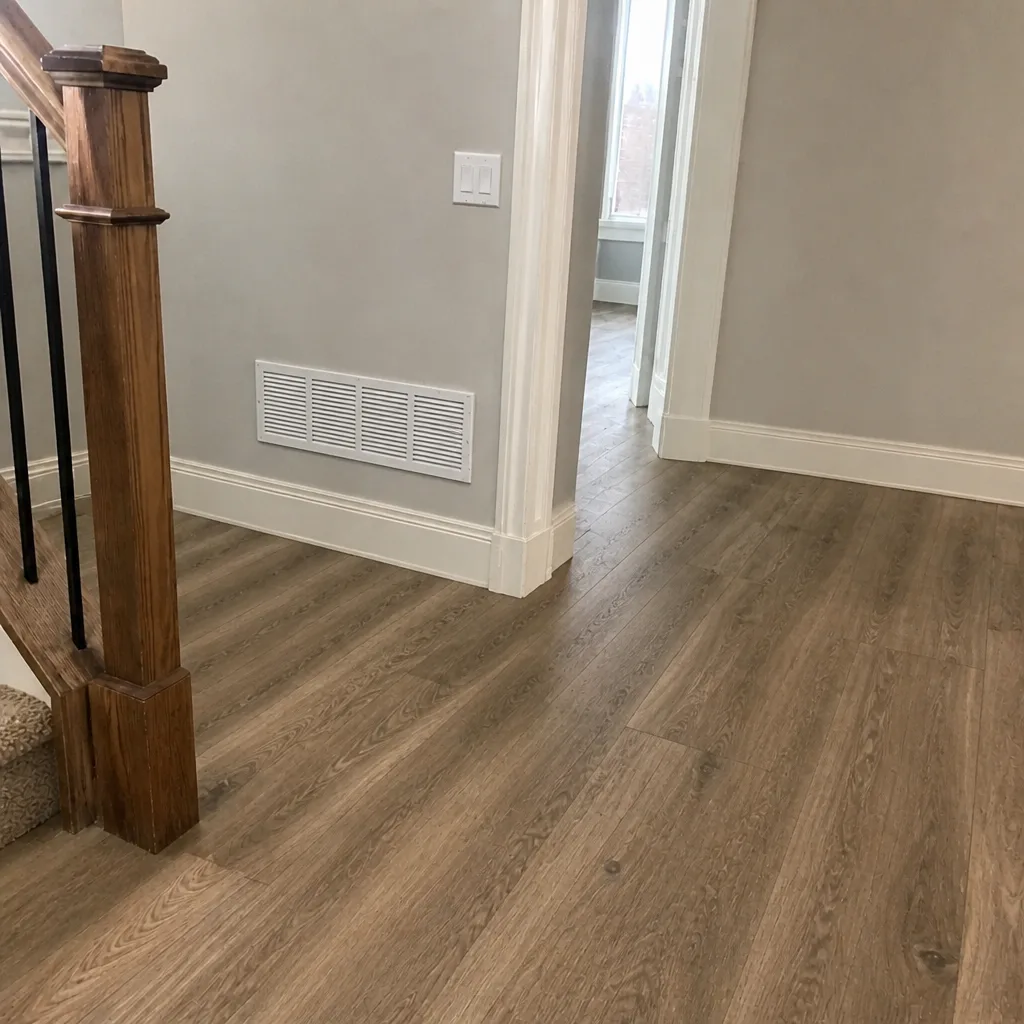
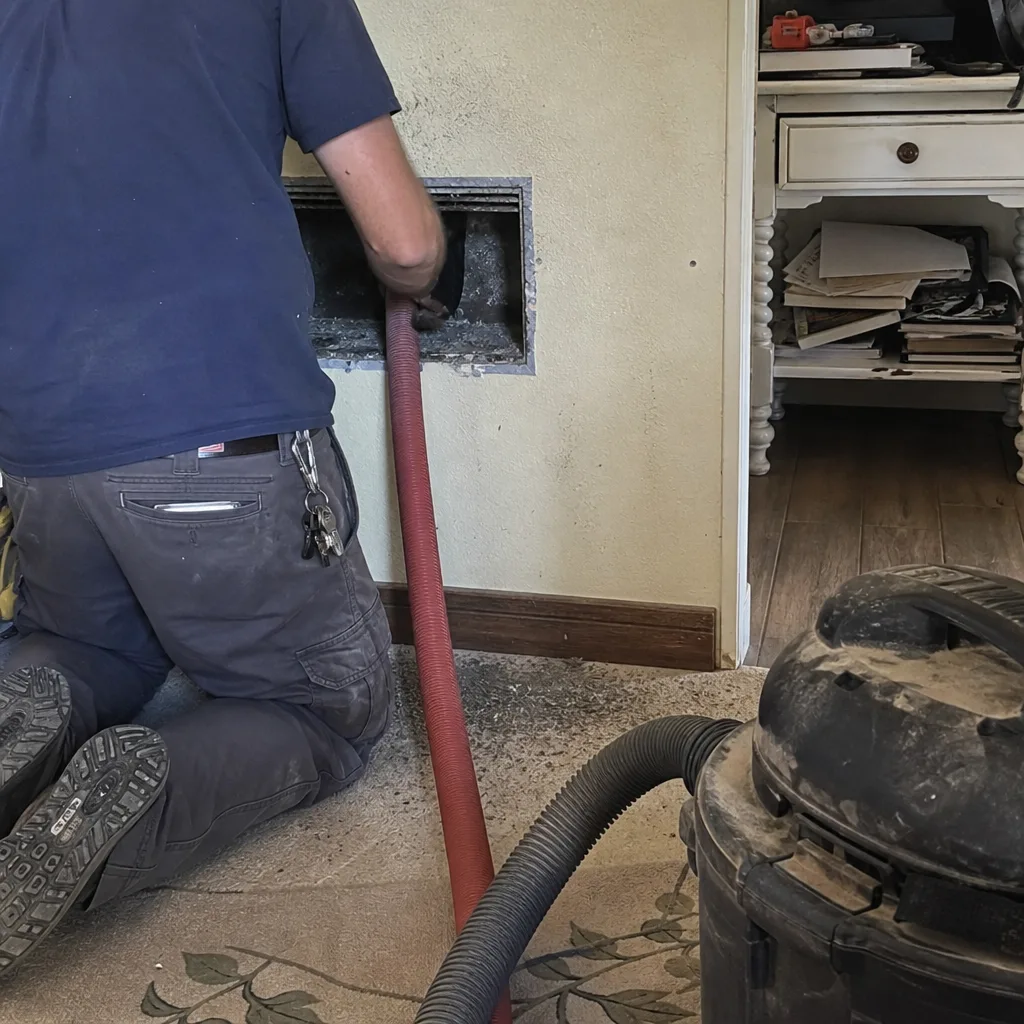
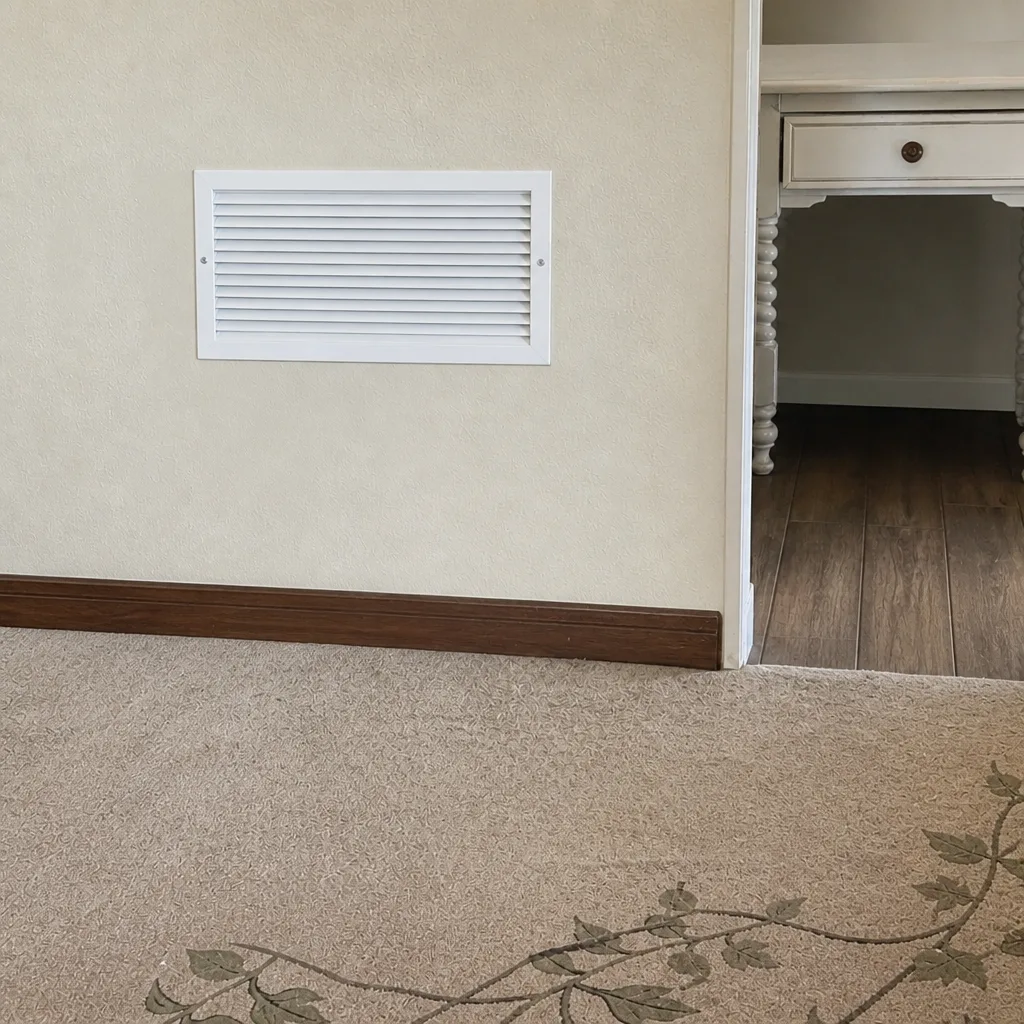
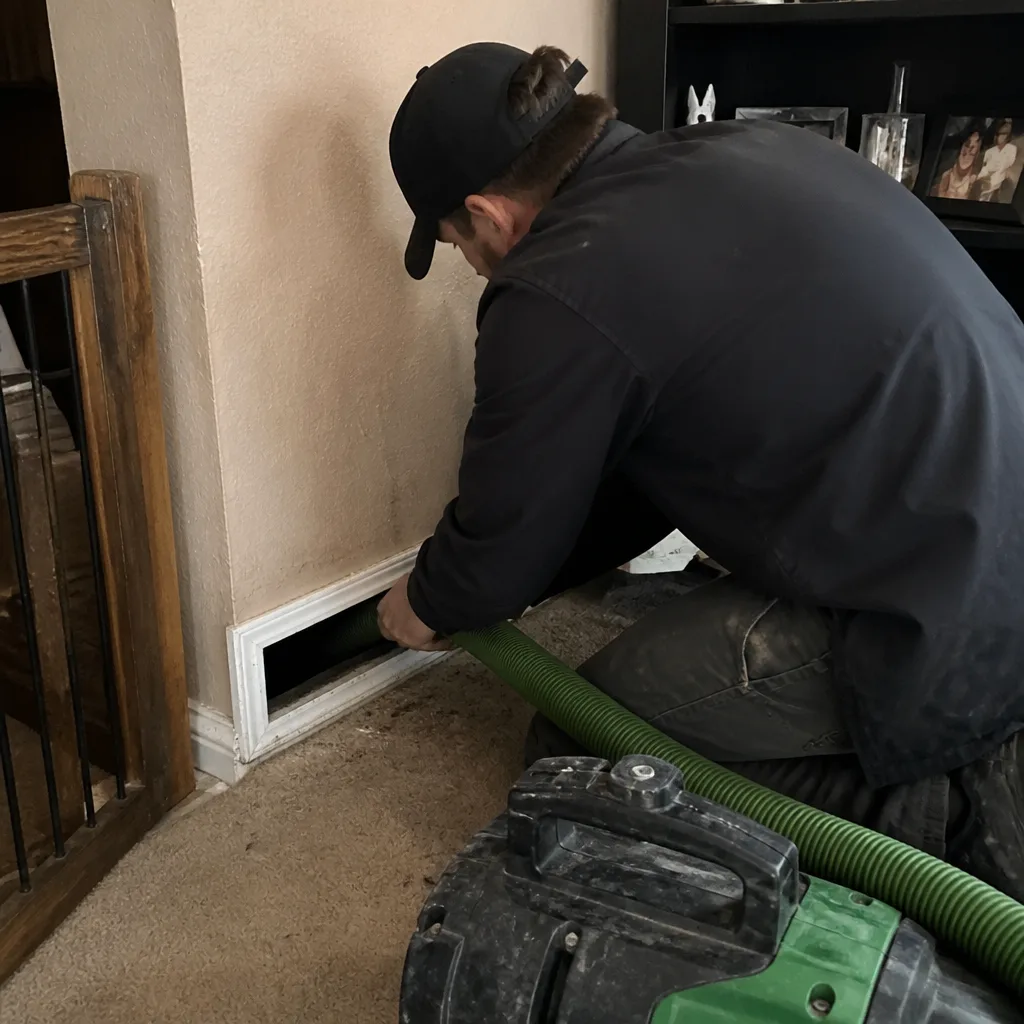
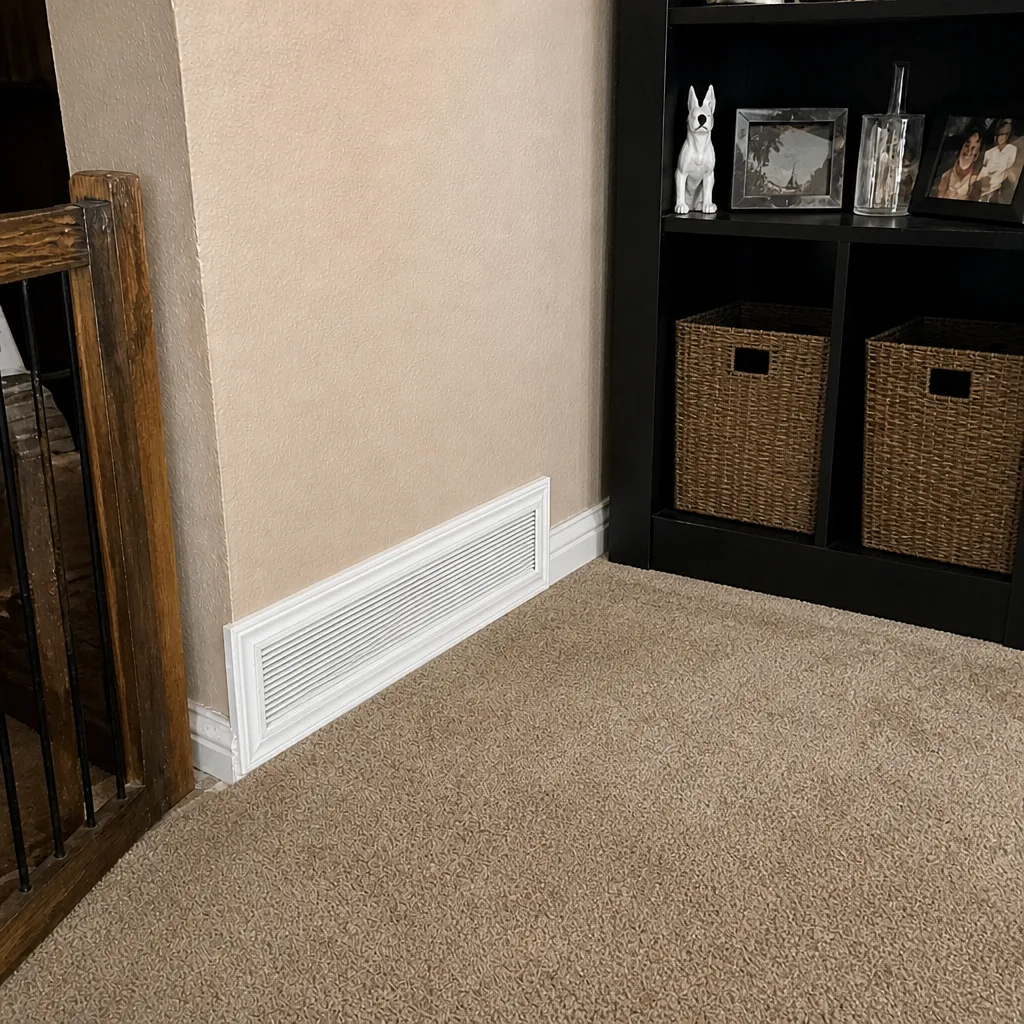
Whole-system duct and dryer vent check with before-and-after photos - you see exactly what came out of your vents
That "$99 whole-house special" is a bait ad - the real number appears once they are in your hallway, or the "clean" is a shop-vac at the register. We photograph the inside of your ducts before and after instead.
Air Duct Cleaning Emergency Preparedness Guide for Parker Homes
Most Parker homeowners think about air duct cleaning as a maintenance item, something to schedule when the vents look dusty or a contractor mentions it during a furnace tune-up. That’s the wrong frame. In Parker, your duct system is an active part of your home’s air envelope during smoke events, high-wind dust storms, and the mold-prone days after a big snowmelt or plumbing leak. During the 2021 Marshall Fire, homes miles from the burn zone had measurable smoke particulate inside their duct systems within hours because HVAC systems kept running in normal mode, pulling outside air through contaminated intakes. What you do with your system in the first hour of an air quality event matters more than any cleaning you schedule afterward. This guide walks you through the response protocol, the assessment steps, and the equipment you should have ready before the next event hits Parker.
Quick Answer
The most important thing you can do during a smoke, dust, or wind event in Parker is shut your HVAC system down or switch it to recirculation, then seal off fresh-air intakes and cover exterior registers until the outside air clears. After the event, have your duct system inspected and cleaned within the first few weeks rather than waiting for your next routine maintenance window. Emergency cleaning handles smoke and dust debris; post-event remediation handles mold, biological contamination, or pest intrusion, and the two require different methods and different equipment.
Styles & brands we work with
- Whole-home duct cleaning
- Dryer vent cleaning
- Camera inspection
- Sanitizing & deodorizing
Table of Contents
- The First 60 Minutes: HVAC Response Protocol During a Smoke or Dust Event
- How to Assess Post-Event Duct Contamination in Your Parker Home
- Emergency Cleaning vs. Post-Event Remediation: What’s the Difference?
- What to Have on Hand Before the Next Emergency
- How the Palmer Divide Wind Corridor Changes Parker’s Priorities
- Post-Flood and Post-Leak Duct Response
- What Professional Duct Cleaning After an Air Quality Event Actually Involves
- Documenting Your System Before and After an Event
The First 60 Minutes: HVAC Response Protocol During a Smoke or Dust Event
When a wildfire starts within tens of miles of Parker or the wind kicks up dust from open land east of town, the first decision you make about your HVAC system determines how much contamination ends up in your ducts. A system running in normal heating or cooling mode pulls outside air through the fresh-air intake and pushes it through the return ducts. That’s ideal for indoor air quality on a normal day. It’s the worst possible setting during a smoke event. Here’s the sequence:
- Switch the thermostat to “off” or “fan only” and confirm the system stops running. If you have a smart thermostat, use the app to shut it down from wherever you are. Fans that keep running on schedule will keep pulling air.
- Close the fresh-air intake damper if your home has one. Newer Parker construction often includes a fresh-air intake tied to the return plenum; find that exterior hood and close the damper manually. If it’s motorized, kill power to the damper so it stays closed.
- Switch to “recirculation” mode if your system supports it. This keeps indoor air moving through the filter without pulling anything from outside. On systems without a recirculation damper, running the fan with the fresh-air intake closed accomplishes the same thing.
- Close windows and doors, and shut off any whole-house or evaporative fan. Evaporative coolers are the biggest offender in this step because they pull outside air directly through wet pads and push it into the living space.
- Cover exterior registers or vents you can reach. A simple plastic sheet and tape over the outside intake hood makes a measurable difference during a heavy smoke event.
- Upgrade to the highest-MERV filter your blower can handle and change it the moment the event clears. A high-MERV filter won’t filter out everything during a smoke event, but it captures the larger particulate that would otherwise coat the ducts. Change it again after the event, even if it looks clean; smoke particles lodge deep in the pleats.
If you have a Honeywell or Aprilaire filtration cabinet installed at your air handler, this is the moment it earns its price. A media filter in a sealed cabinet holds far more particulate than a return-grille filter, and it’s the single upgrade most Parker homeowners make after their first smoke season. If you’re unsure which MERV rating your blower can handle without dropping static pressure, mention that when you schedule air duct cleaning or a system inspection. A technician can read the blower spec plate and tell you.
The instinct to open the windows for “fresh air” during a smoke event is almost always wrong. In Parker, the wind shifts within hours, and what was a smoke plume from the southwest is often a clean westerly by late afternoon. Watch the air quality index, not the smell.
How to Assess Post-Event Duct Contamination in Your Parker Home
Once the event passes and the outdoor air clears, the next question is whether your ducts picked up debris. You don’t need a lab to make a first-pass assessment. Here’s what to look for, and what each deposit type signals:
- Fine black or grey soot on the register frames and return grilles. This is smoke particulate. It’s usually dry, non-greasy, and wipes off with a white cloth to reveal a grey smudge. Soot from wildfire smoke is the most common post-event deposit in Parker.
- Gritty, tan or brown dust inside register boots and along the first few feet of duct. This is wind-blown dust from the Palmer Divide or from unsealed construction sites. Dust deposits are usually heavier near exterior walls and in returns that draw from lower floors.
- Musty smell with a dark, patchy, fuzzy appearance on the interior of ducts or the evaporator coil. This is mold. It requires moisture, and in Parker it almost always follows a plumbing leak, a roof leak, or a period when the AC ran hard and the drain pan overflowed. Mold deposits mean the job shifts from cleaning to remediation.
- Pest debris, insulation fibers, or nesting material. Smaller animals (mice, squirrels) get into duct chases more often than homeowners expect, particularly on homes near open space. If you find droppings, call a professional before running the system again.
How to Document What You Find Before You Call
Documentation makes the difference between a general cleaning quote and a targeted remediation plan. Take photos of:
- Each return grille before you touch it, so the soot or dust pattern is visible.
- Inside the register boot after you remove the grille (use a flashlight and shoot straight into the duct).
- The filter in place, plus a close-up of the filter surface.
- The exterior fresh-air intake hood, particularly if it sits near a construction site or open land.
- Any visible water staining or rust around the air handler, coil cabinet, or duct seams.
Label the photos by room and date. When a technician visits, they can compare your photos to their in-duct camera findings, and you can both see whether the deposit is localized to one run or spread through the whole system. That comparison is the core of a fair quote.
Emergency Cleaning vs. Post-Event Remediation: What’s the Difference?
Homeowners often use these terms interchangeably, and contractors sometimes do too. They’re not the same job, and the wrong one wastes money or leaves contamination behind.
Emergency Cleaning
Emergency cleaning is debris removal after a discrete event: smoke infiltration, dust intrusion from a wind storm, or drywall dust from a renovation. The goal is to mechanically dislodge and capture loose particulate before it settles deeper into the system or gets pushed into living space on the next heating cycle. This is the job that a Rotobrush rotary-brush extraction system and a Nikro HEPA vacuum handle efficiently. Cleaning is usually completed in a single visit, and the homeowner can verify results with before-and-after photos of the duct interior.
Post-Event Remediation
Remediation is what happens when the contamination is biological (mold, bacteria, pest waste) or when the duct materials themselves are compromised (saturated insulation, rusted-through galvanized duct, crushed flex runs). Remediation requires containment first; that’s why our toolkit includes Abatement Technologies air-filtration equipment to maintain negative pressure in the work zone during cleaning. Remediation often involves:
- Physical removal of contaminated materials (wet insulation, saturated flex duct, damaged duct board).
- Application of an EPA-registered sanitizer, such as the Guardsman-grade treatments we use, only after surfaces are clean and dry.
- Repair or replacement of damaged duct runs, sealed afterward to prevent re-contamination.
- Post-remediation verification with photos and moisture readings.
Which One Do You Need?
If the event was smoke or dry dust and there’s no moisture or biological growth, you need emergency cleaning. If a leak, a flood, or a pest intrusion happened, you need remediation. When in doubt, get an inspection first; a proper assessment costs nothing beyond an estimate visit and saves you from paying for a cleaning that doesn’t solve the underlying problem. If you’ve already noticed the musty smell that signals mold, plan on remediation rather than standard air duct cleaning.
What to Have on Hand Before the Next Emergency
The single biggest variable in how much contamination ends up in your ducts is how fast you can respond. A prepared Parker household shuts the system down and seals intakes in under ten minutes. Here’s what belongs in a basic air quality emergency kit:
- Spare filters in two MERV ratings. Keep one set of your regular MERV 8-11 filters and one higher-MERV set (13 or 14) for smoke events. Change both after an event. Filter size is printed on the side of the old filter, so buy two at a time and store the spare in a plastic bag.
- Register cover material. A roll of plastic sheeting and painter’s tape covers exterior intake hoods and any registers that draw from outside. A cheap magnetic vent cover works for interior returns you want to block while cleaning.
- A small flashlight or headlamp. You can’t assess a duct without light.
- A cheap borescope or phone inspection camera. These are inexpensive now and let you photograph the inside of a return duct before you call anyone.
- A printed contact card for your air quality specialist. When smoke from a fire is in the air, everyone in the metro calls at once. Having the number ready makes the difference between booking the first week and booking the third.
- N95 masks for each household member. During an active smoke event, sealing the house plus masking indoors is the practical option.
- A hygrometer (moisture meter). Parker homes are dry most of the year, but post-leak and post-flood moisture is exactly the condition that grows mold inside ducts. A cheap hygrometer tells you whether a damp closet or a leaky duct is actually drying out.
Brand familiarity matters here too. If your home has a Honeywell or Aprilaire filtration or humidification unit, keep the manual and a spare media filter on hand. Those systems are the ones most likely to be under-used during an emergency because the homeowner doesn’t remember the filter size or the bypass setting. Spend five minutes reading the label now so you’re not reading it with the windows taped shut.
How the Palmer Divide Wind Corridor Changes Parker’s Priorities
Parker sits on the north side of the Palmer Divide, the ridge that separates the Denver basin from the Black Forest uplands to the south. That geography does three things for local homeowners:
- It accelerates wind. Sustained wind in the 30-40 mph range is normal on the Divide during spring and fall frontal passages, and gusts routinely lift dust and fine particulate from open land east of Parker and from construction sites throughout Douglas County. Homes on the south and southwest edges of town take the largest volume of that dust through the fresh-air intake and return grilles.
- It puts Parker closer to the wildland-urban interface than most of Denver. The WUI boundary runs through and around Parker’s western neighborhoods, meaning wildfire smoke from fires west and south of town can reach Parker’s airspace fast. Urban Denver homes are buffered by more development between them and the fuel loads; Parker’s exposure runs straight up the ridgeline.
- It affects the snowpack-to-melt cycle. Spring snowmelt runs off the Divide quickly, and homes on sloped lots in neighborhoods like Pinery or Canterberry often see water intrusion at foundation walls and around window wells during the melt. That moisture is directly relevant to duct mold risk when ductwork runs through crawl spaces or beneath slab.
The practical takeaway for Parker homeowners: prepare for the smoke event and the dust event with equal seriousness, and check the duct system after spring melt in addition to after smoke season. Denver homeowners who focus only on fire-season readiness tend to miss the dust component, which in Parker is arguably the more frequent contamination source.
Post-Flood and Post-Leak Duct Response
Flooding and water damage in Parker usually arrive via three routes: a plumbing failure inside the home, snowmelt intrusion at the foundation, or a hail-driven roof leak. Any of them can put water into ductwork that runs through a crawl space, an attic, or a slab. Water and ducting are a bad combination because mold can begin growing on wet duct board, insulation, or galvanized interior surfaces within a few days.
If you’ve had water intrusion anywhere near your HVAC system or ductwork, the response protocol is:
- Stop the system. Don’t run heating or cooling until the ductwork and the air handler are verified dry and clear of mold.
- Dry the space aggressively. Fans, dehumidifiers, and open windows when outdoor humidity is low. Get the crawl space or attic below 50% relative humidity before you do anything else.
- Inspect the ducts with a borescope or camera. Moisture staining, rust, or visible growth on the interior means the affected runs need remediation rather than cleaning.
- Call a professional for assessment. Air duct and HVAC cleaning is the specialty here, and post-flood duct work involves both cleaning and, often, repair or sealing to keep the moisture out of the system going forward.
If remediation is needed, mold growth inside ducts gets treated after surfaces are physically clean, using a sanitizer applied by a technician who is verifying that surfaces are dry enough to hold the treatment. Running a system with mold in the ducts just distributes spores through every room. Post-flood response is one of the cases where the timeline is short; the first week makes the difference between a cleaning job and a remediation job.
What Professional Duct Cleaning After an Air Quality Event Actually Involves
When we clean ducts after a smoke, dust, or mold event, the process looks meaningfully different than a routine maintenance cleaning. Here’s the sequence from the perspective of the equipment we run:
- Containment. Before any cleaning starts, we set up negative pressure in the work zone using Abatement Technologies air-filtration equipment. This is the same containment principle used in commercial remediation, and it prevents the dust and soot we dislodge from circulating back into the living space.
- Mechanical agitation. A Rotobrush rotary-brush system is driven through each duct run to break loose the bonded deposits. Soot, in particular, adheres to duct walls more tenaciously than ordinary dust. The rotary brush is the mechanical part; a consumer shop vac can’t do this.
- HEPA-rated capture at the source. The loosened material is drawn into Nikro HEPA-rated vacuum equipment, which captures fine particulate rather than recirculating it. Filters rated to HEPA standards remove particles down to 0.3 microns with high efficiency, which matters when the contaminant is smoke particulate.
- Sanitizing where appropriate. After surfaces are clean and dry, an EPA-registered sanitizer (Guardsman-grade is what we use) is applied to address residual biological concerns. We don’t sanitize before cleaning; a sanitizer on top of soot and dust is wasted treatment.
- Repair and sealing. Post-event inspection usually reveals gaps at duct seams, disconnected flex runs, or crushed sections that let contamination in. Sealing those is part of a complete response, and it’s why HVAC cleaning and duct repair belong in the same visit as the cleaning itself.
- Filtration check. If a Honeywell or Aprilaire filtration cabinet is installed, we verify the filter and the bypass damper settings so the system is actually using its own hardware after the cleaning is done.
The output is before-and-after photos of the homeowner’s own duct interior, not a sales brochure. If a contractor can’t provide that, the proof is missing.
Documenting Your System Before and After an Event
Documentation is the discipline that turns an emergency response into a defensible decision record. It’s also what separates a good clean from a “trust me” clean. Here’s what to keep:
- A dated baseline of your system. Before any event, photograph the filter, the air handler cabinet, and the interior of each return and supply register. Store those photos in a folder shared with the household.
- Event-specific intake photographs. The day of a smoke or dust event, or the morning after, photograph the exterior intake hood and any window screens/door sweeps that show soot or grit.
- Filter change log. Write the date and the MERV rating on each filter as you remove it. This log tells a technician more about your home’s contamination patterns than any conversation.
- Contractor before-and-after evidence. Ask for interior photos of at least three duct runs taken before and after cleaning. Compare them to your own baseline. That’s how you know the work was actually done.
- Moisture records after a water event. A photo of a moisture meter reading at the time of discovery and again four days later shows how quickly the space dried and supports a “cleaning-only” vs. “remediation” decision.
For Parker homeowners who rent out property or manage HOAs, this documentation is also useful when filing an insurance claim after a fire, smoke, or hail event. Keep it in the same folder as your homeowner’s policy.
Common Mistakes to Avoid
- Leaving the HVAC system running on a normal schedule during a smoke event. A running system pulls outside air straight through the intake and distributes it through the house. Shut it down or switch to recirculation within the first hour.
- Opening the windows because the house “smells stuffy” during a smoke plume. The smell is the smoke you’re trying to keep out. Watch the AQI, and only vent when the outdoor reading drops below a safe threshold for your household.
- Assuming a filter change alone solves the problem. A filter catches what reaches the filter. It doesn’t clean ducts that already collected soot during the hours before you shut the system down. A post-event inspection is the only way to know.
- Mistaking a musty smell for “just the ducts.” Musty odor after a water event almost always signals mold, which requires remediation rather than standard cleaning. Call for assessment rather than running the system in a cleaning cycle.
- Choosing a duct cleaning quote on price alone. The difference between a $99 quote and a professional job is usually that the $99 quote has no containment, no rotary brush, and no HEPA capture. Ask what equipment they’re bringing before you book. Call (877) 820-9183 for an exact quote from a specialist – estimates are free.
- Skipping the exterior intake hood check after a high-wind dust event in Parker. The hood collects grit and fine dust and can slowly leak into the system for weeks after the wind event has passed. Every post-event inspection should include it.
- Waiting until the next “scheduled” maintenance window. Smoke and dust deposits set faster than most homeowners expect. The best window for cleaning is within the first few weeks after the event, while the deposit is still loose on the duct walls rather than bonded with moisture.
- Ignoring the dryer vent during smoke and dust preparation. A clogged dryer vent is a safety risk independent of smoke events, and wind-driven lint accumulation adds to it. Keep it on the same inspection schedule as the ducts.
See the difference
 Before
 After
 Before
 After
 Before
 After
When to Call a Professional
Some air quality situations are do-it-yourself: changing a filter, taping an intake hood, checking the thermostat setting. Others aren’t, and it’s better to know the line. Call a specialist if any of the following apply: your home experienced a smoke event, a dust intrusion, or a fire in the surrounding area and the HVAC was running during it; you smell musty odor coming from any register; you’ve had water intrusion near your HVAC system or ductwork; you’ve seen rodent droppings or nesting material inside a duct; a contractor quoted remediation without documenting the contamination; or your ducts have never been inspected and the home is more than a few years old. A professional with professional-grade equipment can confirm in an hour what nobody can determine from opening a single register. Parker Air Duct Cleaning Pros offers free estimates in Parker – call (877) 820-9183. We answer 24/7. Fast dispatch from 7am to 7pm, Sunday through Friday.
Frequently Asked Questions
Typical air duct cleaning for a single-family Parker home runs in a range set per home by a written estimate, based on the number of runs, the extent of contamination, and whether repair or sanitizing is included. We give a flat price per system agreed before work starts, never a per-vent price, and before-and-after photos of your own ducts are part of the job. Call (877) 820-9183 for an exact quote – estimates are free.
No, and any contractor who offers to is wasting your money. The right sequence is to shut the system down and seal intakes during the active smoke event, wait for the outdoor air to clear, then schedule cleaning. If we cleaned mid-event, the ducts would re-contaminate within hours of the cleaning. Call when the event clears and we’ll get you on the schedule.
Cleaning handles dry contamination like smoke soot, wind-blown dust, and construction particulate. Remediation handles biological contamination like mold or pest waste, and any duct that has been wet. If you’ve had a water event, or if you smell musty odor at a register, plan on remediation. The only way to be certain is an in-duct inspection with a camera. Call (877) 820-9183 and we’ll inspect before quoting.
Parker homes typically benefit from air duct cleaning every few years as routine maintenance, but the more important cadence is event-driven. After any wildfire smoke event, high-wind dust event, or water intrusion that reaches the HVAC system, schedule a post-event inspection rather than waiting for the next maintenance window. The Palmer Divide wind corridor makes event-driven inspection more frequent here than in most of the Denver metro. Call for a free estimate to discuss your home’s history.
Cheap quotes are usually cheap because they skip the equipment that actually does the cleaning: no rotary brush to agitate deposits off the duct walls, no HEPA capture, no containment during the job. Those quotes often become larger invoices once the technician is on site, or they leave contamination in the ducts that was simply loosened and pushed around. We give a flat price per system agreed before work starts, and we show before-and-after photos of your own ducts. Call (877) 820-9183 for an honest estimate.
Shut your HVAC system down and close the fresh-air intake damper before you do anything else. Then close windows and doors, cover the exterior intake hood if you can reach it, and check your filter. Document the register surfaces with your phone and note the date. Once the outdoor air clears, call us to schedule an inspection and, if needed, cleaning. We answer 24/7. A call outside dispatch hours is booked into the next opening, Sunday through Friday, 7am to 7pm.
The Bottom Line
Preparedness after an air quality event is mostly about two things you already control: what you do with the HVAC system in the first hour, and whether you have the equipment and documentation to move fast. Parker sits in a wind-prone, fire-exposed corridor, and the same home that handles one event with a filter change and a taped intake hood is the home that needs a full post-event inspection when the next one hits. Keep spare filters, a roll of plastic sheeting, and a service number ready. Know the difference between emergency cleaning and remediation, and don’t wait for contamination to bond to your duct walls before you call. For most Parker homes, that alone is the difference between minor cleaning and a much larger job. Our technicians have up to 8 years of experience, and we’re set up with the same professional-grade equipment used in commercial remediation. Call us for a free estimate and full-system inspection.
If you’re scheduling preventive work outside an event, our dryer vent cleaning is a good place to start; it’s the connected safety issue most homeowners forget. You can learn more about our full service lineup at Parker Air Duct Cleaning Pros.
Contact
If a smoke event, dust storm, or water intrusion has touched your ducts, don’t wait for the next maintenance window. Call (877) 820-9183 for a free estimate. We answer 24/7. Fast dispatch from 7am to 7pm, Sunday through Friday. A flat price per system agreed before work starts, before-and-after photos of your own ducts, and a written estimate that sets the final price.
Written by the team at Parker Air Duct Cleaning Pros.