
Last updated November 25, 2026
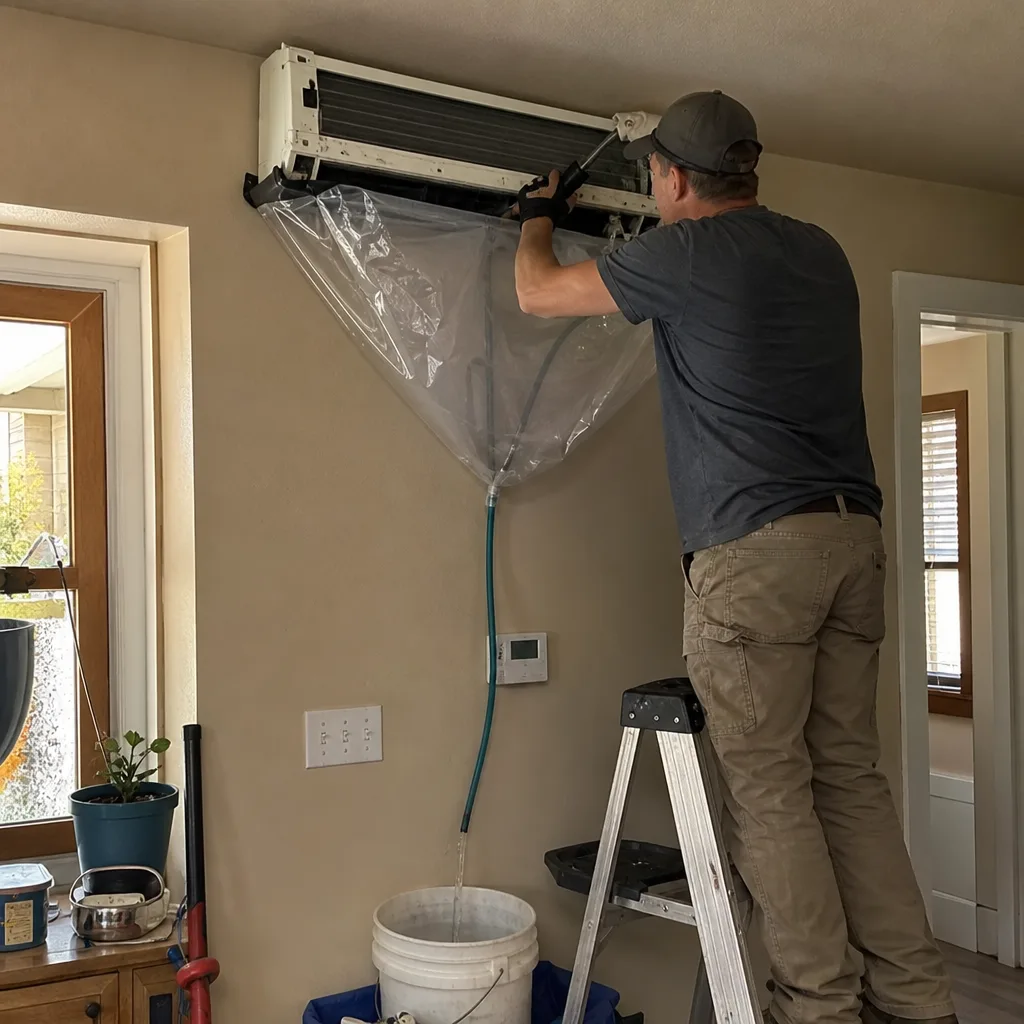
 Whole-home duct cleaning
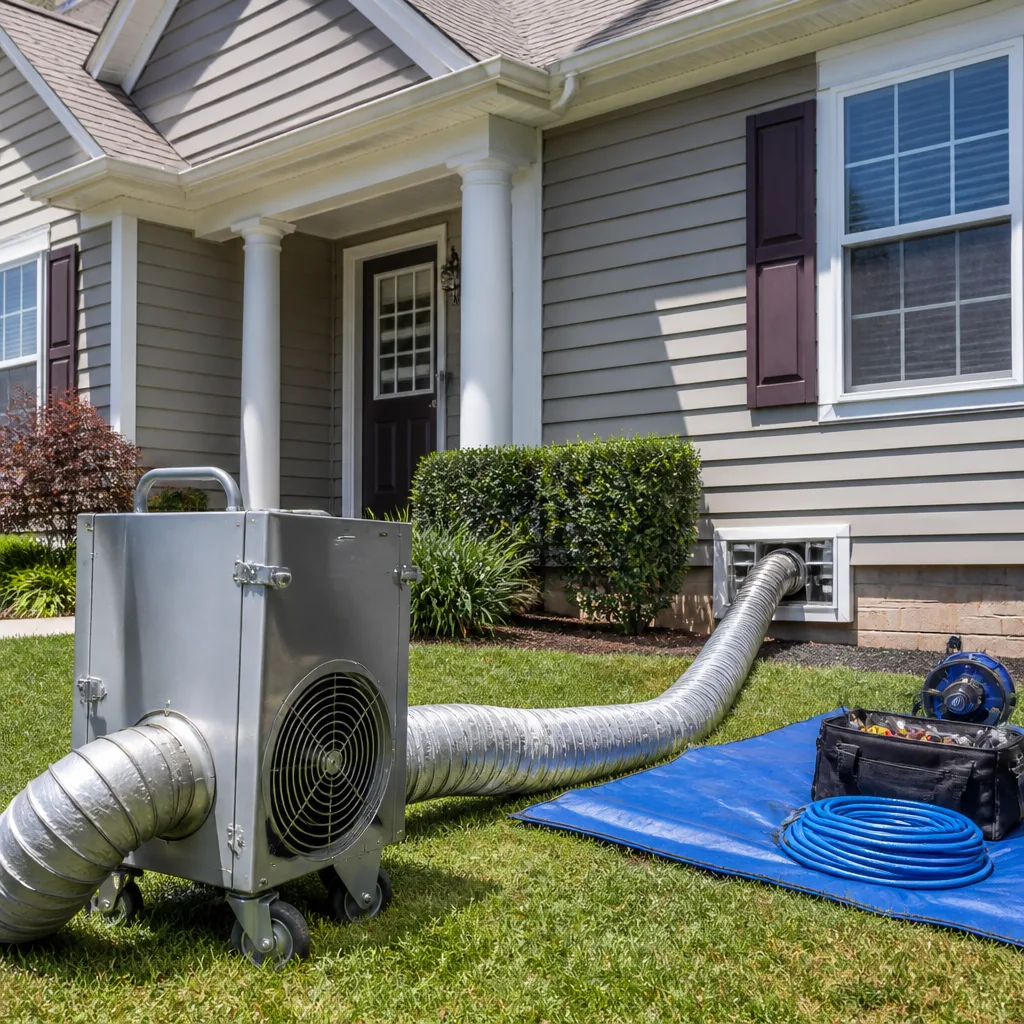
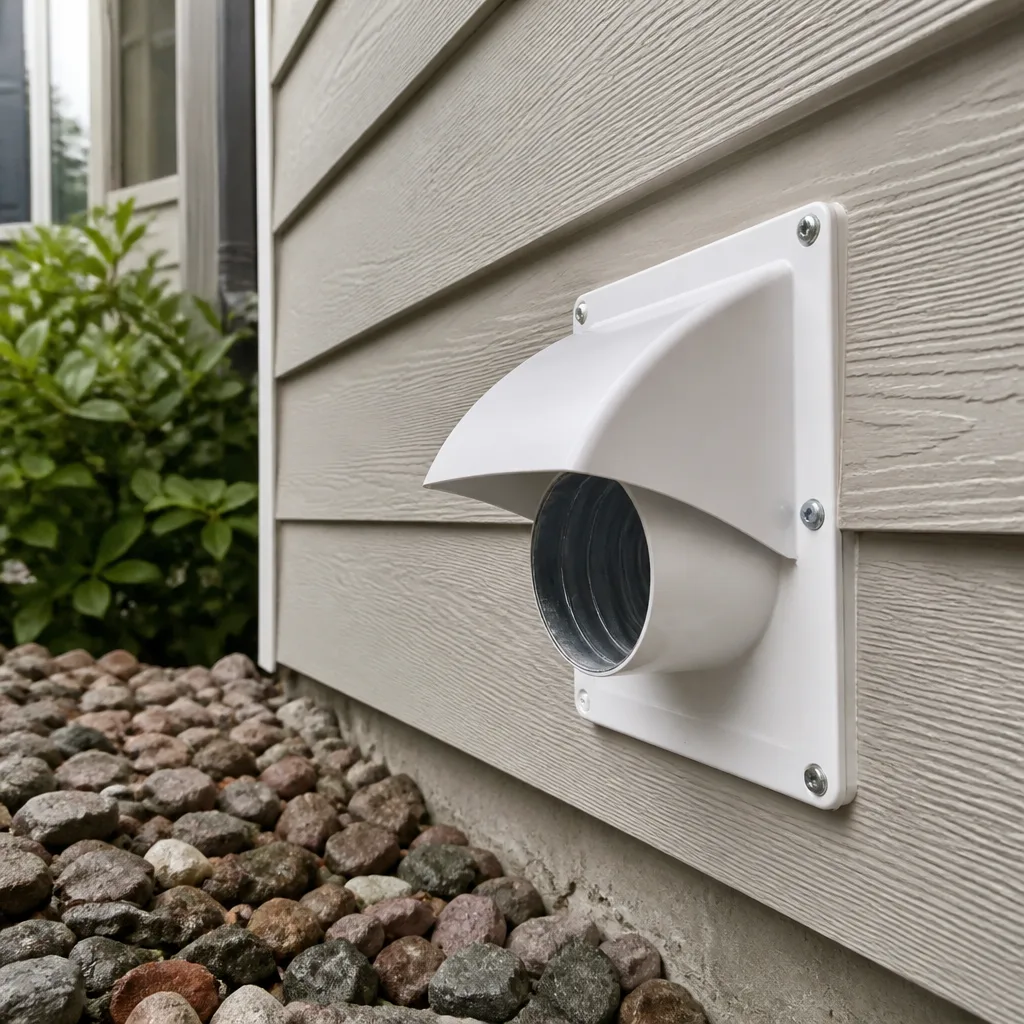 Dryer vent cleaning
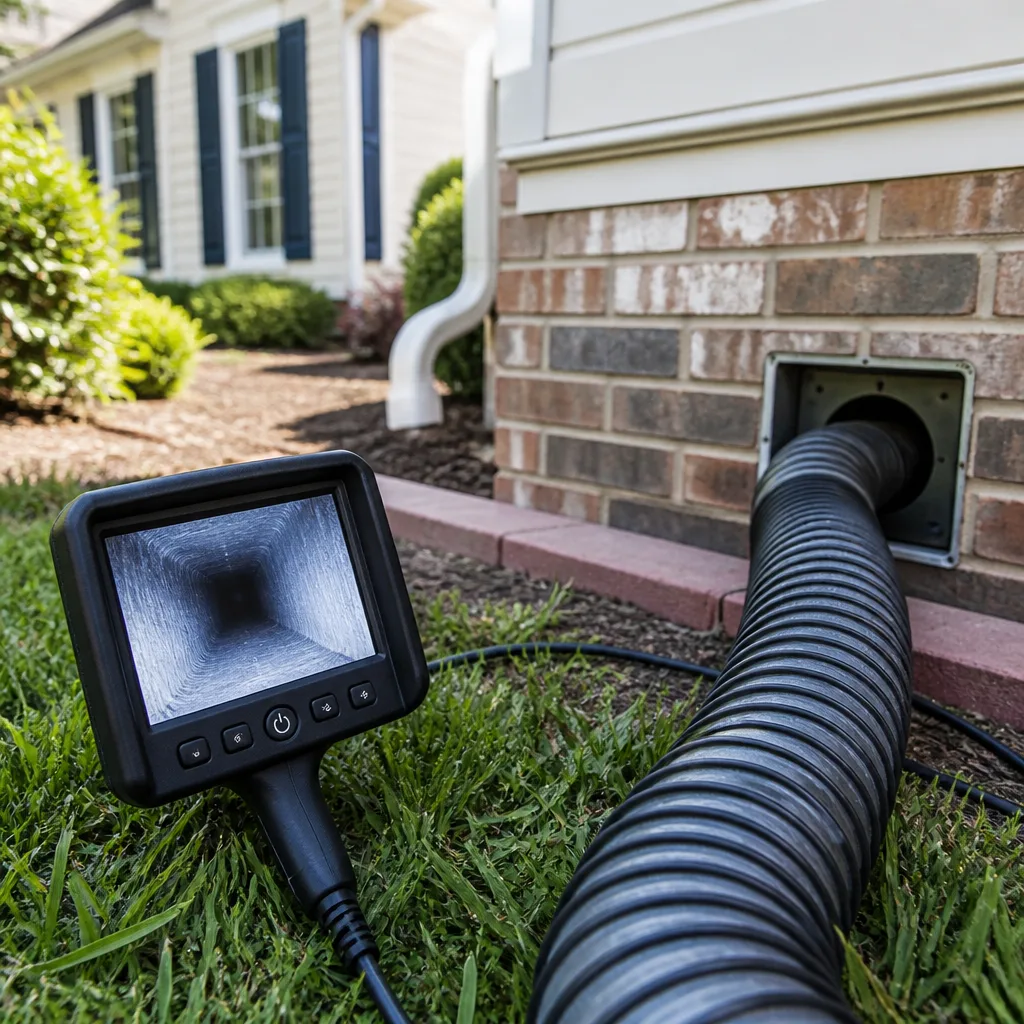 Camera inspection
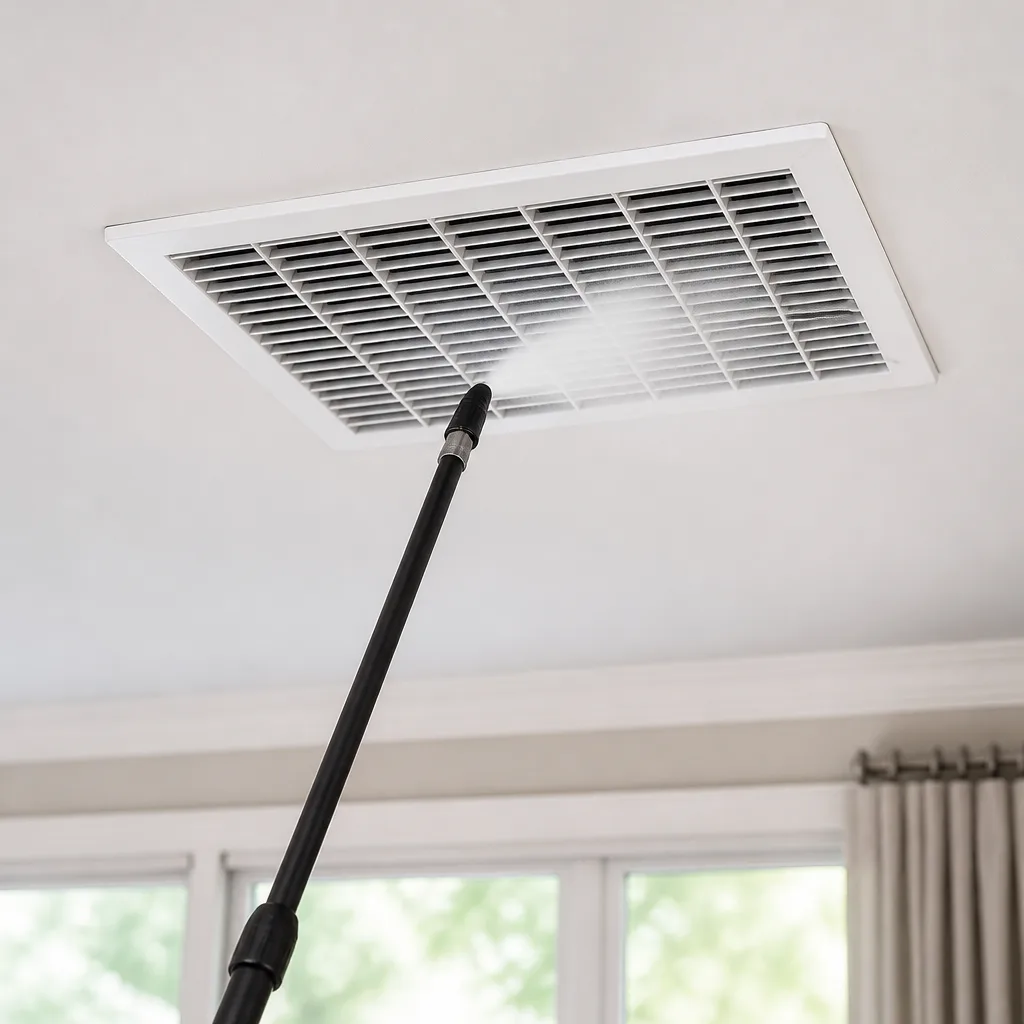 Sanitizing & deodorizing
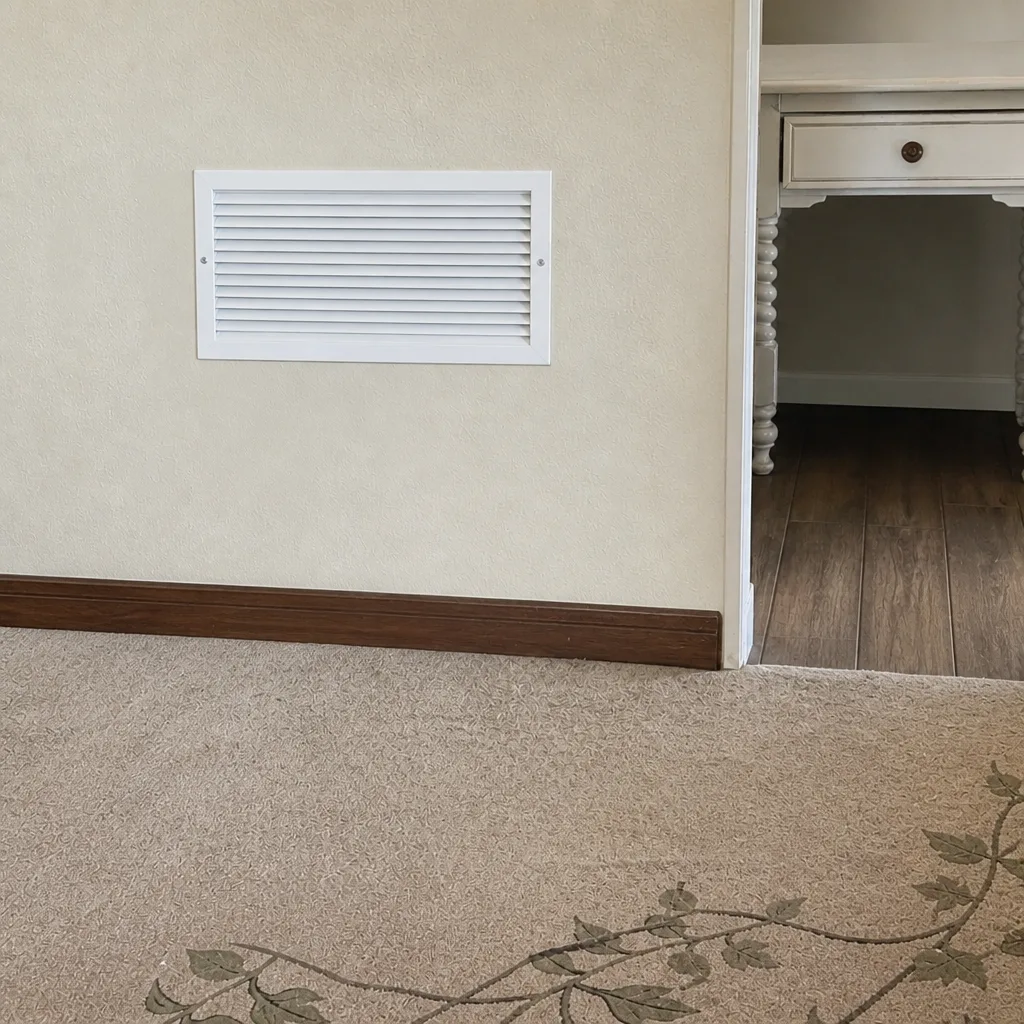
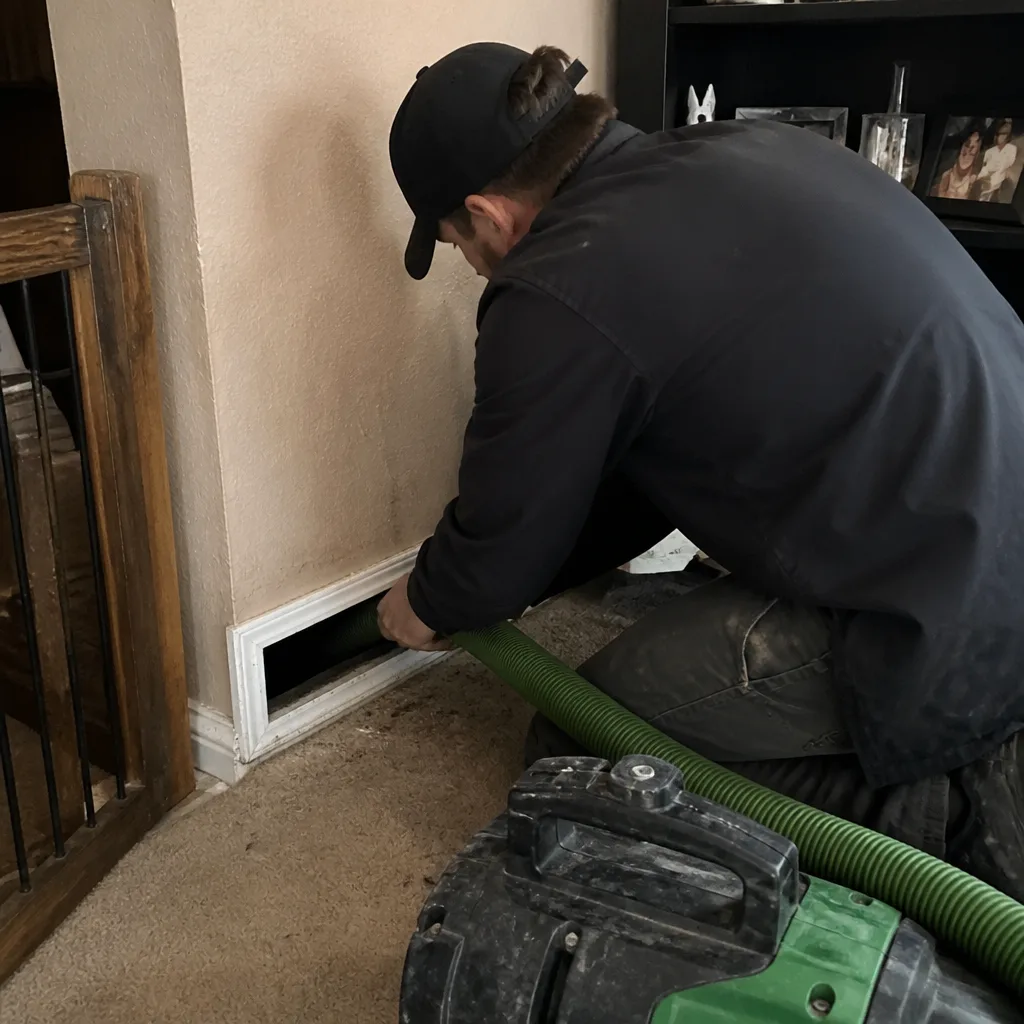
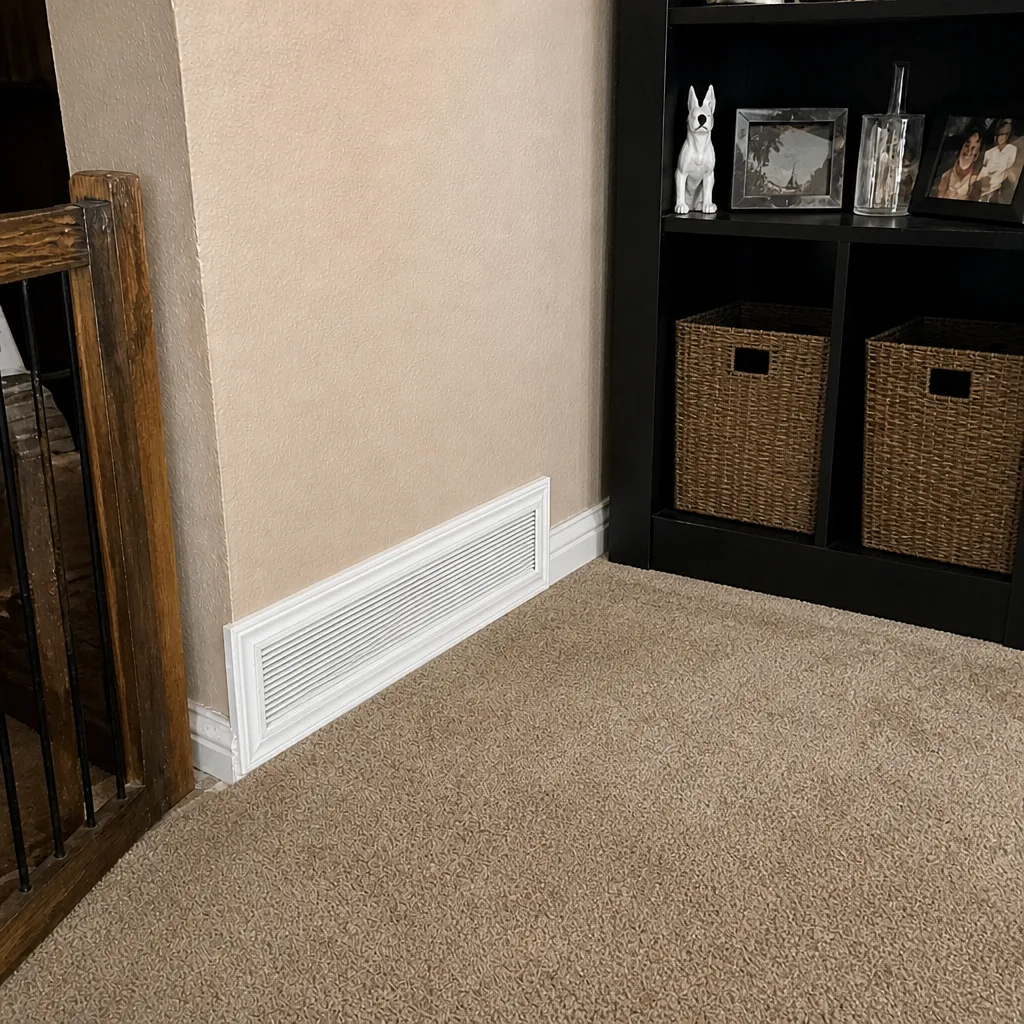
Whole-system duct and dryer vent check with before-and-after photos - you see exactly what came out of your vents
That "$99 whole-house special" is a bait ad - the real number appears once they are in your hallway, or the "clean" is a shop-vac at the register. We photograph the inside of your ducts before and after instead.
Air Duct Cleaning Maintenance Checklist for Parker Homeowners
Most duct cleaning checklists tell you to change your filter every 90 days. That’s a filter maintenance tip, not a duct maintenance strategy, and conflating the two is exactly why some Parker homes get their ducts cleaned far too often while others go a decade without it. A filter catches what it catches; it tells you nothing about what has settled on the walls of your ductwork, what the supply registers look like inside, or whether your return side is pulling in dust from a crawlspace or an unfinished basement.
What we’re going to lay out here is different. It’s a documentation system, a way to record actual duct condition over time using dated photos, filter loading patterns and a few simple observations, so you can make decisions based on evidence rather than a universal “every three to five years” rule that has never fit every home. By the end you’ll know what to check yourself, what needs a camera scope, and how Parker’s seasons and housing stock change the answer.
Quick Answer
A workable air duct maintenance checklist for a Parker homeowner combines four things: a dated condition log with photos of register interiors and filter loading, filter changes timed to your home’s actual dust load rather than a calendar, event-triggered checks after wildfire smoke season, renovation or a new pet, and a professional assessment when the evidence in that log points to buildup you can’t see. Most homes don’t need a fixed cleaning interval; they need a record that tells them when cleaning is genuinely warranted.
Styles & brands we work with
- Whole-home duct cleaning
- Dryer vent cleaning
- Camera inspection
- Sanitizing & deodorizing
Table of Contents
- Why a Condition Log Beats a Reminder Calendar
- How to Build a Photo Log of Register Interiors and Filter Loading
- What MERV Rating Fits Parker’s Dust Load
- What You Can Inspect Yourself vs. What Needs a Camera Scope
- Event-Triggered Checks: Wildfire Smoke, Renovation and New Pets
- A Realistic Cleaning Interval Framework for Parker Homes
- What a Full-System Cleaning Actually Covers
- Common Mistakes to Avoid
- When to Call a Professional
- Frequently Asked Questions
Why a Condition Log Beats a Reminder Calendar
A reminder calendar tells you what month it is. A condition log tells you what your ducts are doing. Those are very different pieces of information, and only one of them helps you decide whether to spend money this year or wait two more.
Here’s the problem with universal intervals. The common advice that ducts should be cleaned every three to five years assumes every home generates dust at the same rate. In Parker, that assumption falls apart fast. A house backing onto the open space near Salisbury Equestrian Park deals with a different dust profile than a townhome in Stonegate with a finished basement and a heat pump running most of the year. A home with two shedding dogs is not the same system as a home with no pets and a whole-house filtration unit already installed.
A condition log solves this by replacing the guess with a record. You photograph what you can see, note when your filter loads up, and write down events like a kitchen remodel or a wildfire smoke week. Over twelve to eighteen months, the log starts telling you things a calendar can’t: how fast your system loads, whether one room’s supply registers soil faster than others, and whether your filtration is actually sized to the job your house is asking it to do.
What goes in the log:
- Dated register photos. One shot inside each visible supply register, taken the same way each time, so you can compare.
- Filter loading notes. The date you install a filter, the MERV rating, and a quick note on how loaded it looked when you pulled it.
- Event entries. Renovation start and finish dates, wildfire smoke weeks, a new pet, a furnace or AC replacement.
- Smell and airflow notes. Any room where airflow feels weak, any musty smell from a register when the system starts.
That’s the whole system. It takes about ten minutes a season and gives you something no service company can give you: a baseline. When a technician does arrive, you can show them exactly what changed and when.
How to Build a Photo Log of Register Interiors and Filter Loading
Photos only work as evidence if you take them the same way every time. A random snapshot from a different angle in different light proves nothing. A consistent set taken at the same register, the same distance, with the same lighting, lets you compare March to September and see the actual trend.
Here’s a workable method:
- Pick three or four reference registers. One in the room you use most, one in the room that always feels dustiest, one closest to the return, and the return grille itself if it’s accessible.
- Photograph the register interior, not the grille face. Remove the grille or look through the louvers with a flashlight angled to light the duct wall. The grille face tells you almost nothing; the duct wall inside is what matters.
- Hold the same distance and angle each time. Put a piece of tape on the wall or floor as a marker. Zoom is your enemy here; take the shot wide enough to see context.
- Photograph the filter twice: new out of the package and when pulled. The used-filter shot shows loading pattern. Even loading across the whole face means the system is drawing air evenly; a dark patch on one side often means an air path is pulling from a leaky return or an unbalanced branch.
- Name the file with the date. A folder called “duct log” with dated filenames will outlast any notes app.
When the photos start telling a story, it’s usually a lean return side with a heavy pile of dust and fiber in a short period, or a supply branch nearest the air handler showing buildup first. That’s the point at which a professional assessment or a specialist cleaning makes sense. Before that point, you’re maintaining, not cleaning.
If you’d rather have the whole log done properly once and then track from a clean baseline, our air duct cleaning service starts with before-and-after documentation of your own system, not a generic brochure photo.
What MERV Rating Fits Parker’s Dust Load?
For most Parker homes, a MERV 8 to MERV 11 filter is the sensible range: enough filtration to catch the fine particulate that comes with our dust and smoke season, without creating so much pressure drop that your blower has to work harder or your registers feel weak. MERV 13 can make sense in a home with allergy concerns and a system that can accommodate the resistance, but it’s a decision that belongs with an HVAC technician who can look at your static pressure, not something to guess at.
What doesn’t make sense is treating filter rating as a competition. A higher MERV number isn’t automatically better, and a filter that’s over-restrictive can cause real problems with airflow. The point of the rating is matching filtration to your system, not maximizing it.
Filter saturation is your best free proxy for duct burden. Here’s the logic: a filter is a forced-air system’s front door. If your filter loads heavily in 60 days during Parker’s windy spring and wildfire smoke season, your ducts are also loading. If your filter still looks light after 120 days, your ducts are probably lighter too. That pattern, tracked over a year, is more useful than any universal filter-change rule.
Specifics:
- 1-inch filters load fastest and catch less. Check them roughly monthly during windy spring and smoke season.
- 4-to-5-inch media filters hold more dust and last longer between changes. Your log will tell you how much longer.
- Whole-house filtration and humidity equipment brands like Honeywell and Aprilaire are common in Parker homes. If you have one, the maintenance schedule for that unit is separate from your duct cleaning schedule, and a technician who knows those brands can help you keep them in step.
Don’t judge a filter by color alone. Hold it up to the light, note how much passes through, and log it. Two “dark” filters that still pass most light can be very different from one that’s fully loaded.
What You Can Inspect Yourself vs. What Needs a Camera Scope
You can inspect more than most people think, and you can inspect less than some marketing would suggest. Knowing the line between the two saves you money in both directions: it stops you paying for a cleaning you don’t need, and it stops you ignoring buildup you can’t see.
What you can check yourself:
- Register faces and visible duct walls through the grille.
- The return air plenum if your basement or mechanical closet is exposed.
- The flexible duct runs in an unfinished basement or attic, looking for kinks, tears, sagging, or crushed sections.
- Airflow strength at each register using a tissue or your hand and noting consistency.
- Dust pattern on the grille face – a heavy streak on one side points to airflow issues worth a closer look.
- Filter loading and change date as described above.
What needs a camera scope:
- Interior condition of long rigid trunk runs you can’t see from any register.
- What’s actually sitting in the return trunk above the filter box.
- Whether a duct liner or wrap has started to break down internally.
- Whether debris is bridging around a turn or fitting in a way no register view reveals.
- Whether that musty smell traces to a specific branch rather than the whole system.
The professional tools for the second list are not shop vacuums with a webcam taped on. A proper inspection uses a purpose-built scope, and the extraction that follows uses equipment designed to agitate and capture rather than stir up. That’s the difference between a Rotobrush rotary-brush system and a consumer tool: the brush is working the duct wall mechanically while the vacuum captures what it releases.
If a company can’t tell you what equipment they’ll bring and show you before-and-after images of your own ducts, that’s information worth having before you book.
Event-Triggered Checks: Wildfire Smoke, Renovation and New Pets
The condition log tells you what’s happening on a normal week. Events change the baseline, and Parker has its own list. When one of these happens, you add an entry to the log and run a shortened check rather than waiting for the next scheduled look.
Wildfire smoke season. Western summers bring wildfire smoke into the Front Range, and even a home with windows closed and a good filter will pull smoke particulate into the system through returns and leaky duct joints. After a heavy smoke period, photograph your reference registers, check your filter loading, and note any smell. Smoke odor in supply registers that lingers long after the air clears often means particulate has settled on duct surfaces and in the filter housing.
Post-renovation. Drywall dust is fine and travels. A kitchen or basement remodel pushes enormous particulate volume through the home’s air, and a lot of it ends up in the returns. If your contractor didn’t seal off the HVAC during demolition, the log entry is important. Check registers a week and a month after finishing, and expect a filter replacement soon after.
New pet addition. Pet hair acts differently than household dust – it clumps, catches on duct joints, and can build up faster than you’d think. Add a log entry for the pet’s arrival date, then photograph your dustiest room’s register every 60 days for the first six months. Some homes with heavy-shedding pets need a shorter cleaning cadence than the baseline.
Other events worth logging:
- Roof replacement or siding work (dust and debris into soffit vents).
- Any pest activity or rodent droppings discovered in the home.
- Water intrusion or mold discovered anywhere near an air handler.
- Furnace or air conditioner replacement (check whether the install team cleaned the plenum).
- Move-in to a house with unknown system history.
New-home buyers in Parker – especially newer construction in areas like Sierra Ridge or Compark – inherit a system with no history. If you just bought, put a full professional cleaning and inspection on the calendar as a baseline, then start your log from there. That single step eliminates the “when did anyone last clean this?” question forever.
A Realistic Cleaning Interval Framework for Parker Homes
Instead of a universal 3-to-5-year rule, use household variables to arrive at your own interval. The framework below isn’t a rulebook; it’s a starting point, refined by what your log actually shows.
Questions that shorten your interval:
- Do you have pets that shed heavily? (Cuts interval, up to nearly double.)
- Has any remodeling happened since the last cleaning? (Cuts interval by a full cycle.)
- Is anyone in the home dealing with allergies or asthma? (Errors shorter tends to help.)
- Is the home in a windy, dusty exposure or near construction or open space? (Cuts interval.)
- Has the home experienced pest activity or water intrusion? (Inspection now, cleaning likely.)
- Does the smoke season hit your neighborhood hard? (Cuts interval.)
Questions that lengthen your interval:
- Is the system well-sealed with tight duct connections? (Longer.)
- Is a whole-house filtration unit installed and maintained? (Longer.)
- Is the filter kept fresh and correctly sized? (Longer.)
- Do register photos stay clean-looking across several seasons? (Longer.)
- Is there no history of pets, renovation, pests or smoke exposure? (Longer.)
What the log should trigger:
- Photographs show a visible dust layer on duct walls at your reference registers after one full cycle: schedule a professional assessment.
- Filter loading accelerates dramatically from one change to the next: investigate the cause and consider a cleaning.
- Persistent musty odor from one or more registers: book an inspection before assuming cleaning, since odor sometimes traces to a damp source that needs repair first.
- No visible change on photos over a full cycle, filter loading steady, no symptoms: continue to maintain, no cleaning needed yet.
In our experience, Parker homes that follow this framework end up on cleaning intervals ranging from about two years for heavy-pet, high-dust households to long gaps of eight or more years for well-sealed, well-filtered homes. The average is closer to four to six. The point is the framework, not the number.
What a Full-System Cleaning Actually Covers
A full-system cleaning isn’t just vacuuming what you can reach through a register. It’s a controlled process that agitates, contains and captures throughout the entire duct network – supply, return, and the components in between.
What that looks like with professional-grade equipment:
- Containment first. Abatement Technologies air-filtration units maintain negative pressure, so fine particulate released during cleaning is captured rather than pushed back into the living space. That’s a remediation-grade standard applied to a residential job, not just basic vacuuming.
- Registration and access. Registers are removed, and access points are opened along trunk runs so every branch can be reached.
- Mechanical agitation. A Rotobrush rotary-brush system works the duct walls to lift settled material. Agitation is the key step; vacuum alone can’t release material that’s stuck to the surface.
- HEPA capture. Nikro HEPA-rated vacuum systems pull fine particulate at the source and hold it, rather than recirculating it.
- Component cleaning. The blower, evaporator coil housing and air handler area are cleaned where accessible and appropriate – part of the HVAC cleaning scope that connects to duct cleaning.
- Sanitizing (when appropriate). Guardsman-grade sanitizing treatments are available for systems that show biological growth or persistent odor, generally after cleaning rather than as a substitute for it.
- Documentation. Before-and-after photos of your own ducts, taken by the technician, become the log entries that anchor your next decision.
The other half of a full-system service is dryer vent cleaning, which belongs on the maintenance checklist for a different reason. Lint accumulation in a dryer vent is a fire risk, not a comfort issue, and it should be treated that way in every home’s checklist – not as an add-on but as a safety item on the calendar.
Duct repair and sealing also fall inside the same discipline. Leaky joints at trunk-to-branch connections pull attic or crawlspace air into the system, which is a quieter cause of duct soiling than most homeowners realize. Sealing those joints is often what lets a home move from a two-year cleaning cycle to a much longer one.
See the difference
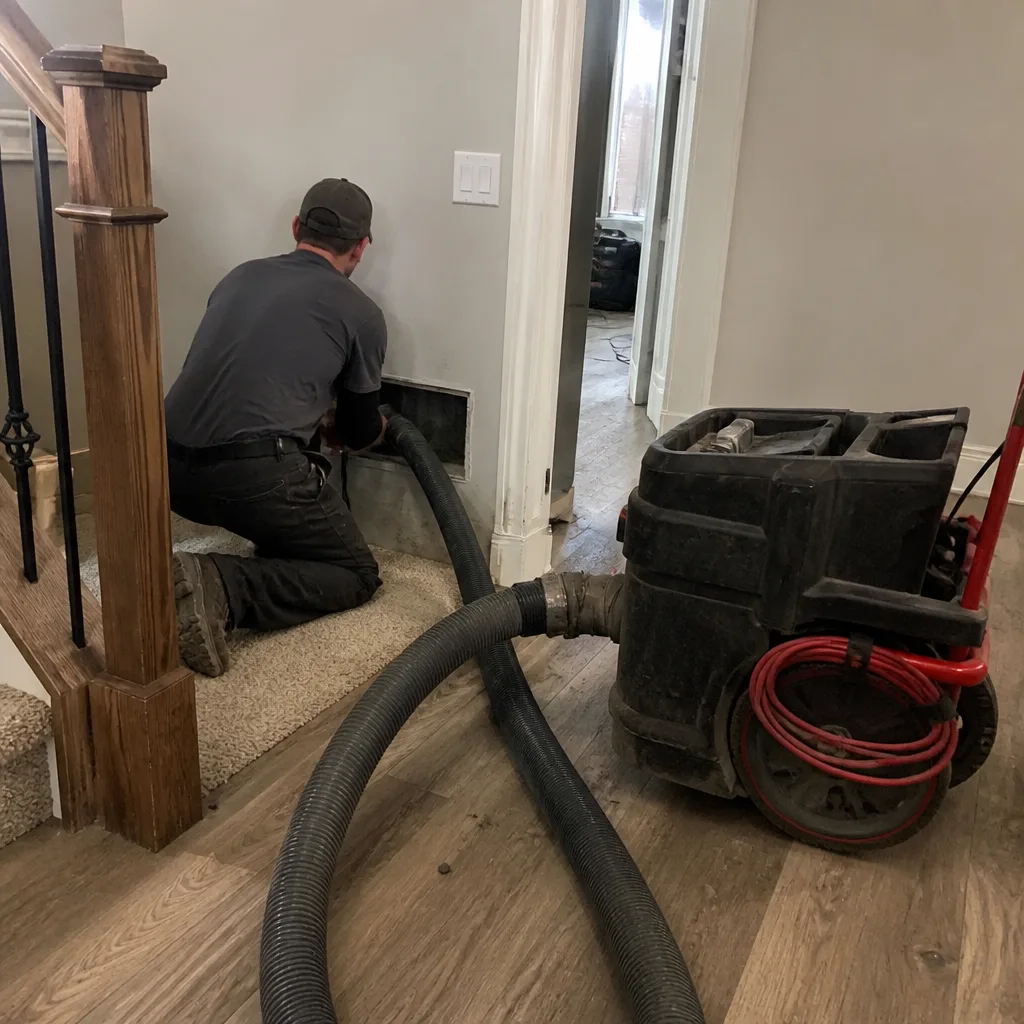 Before
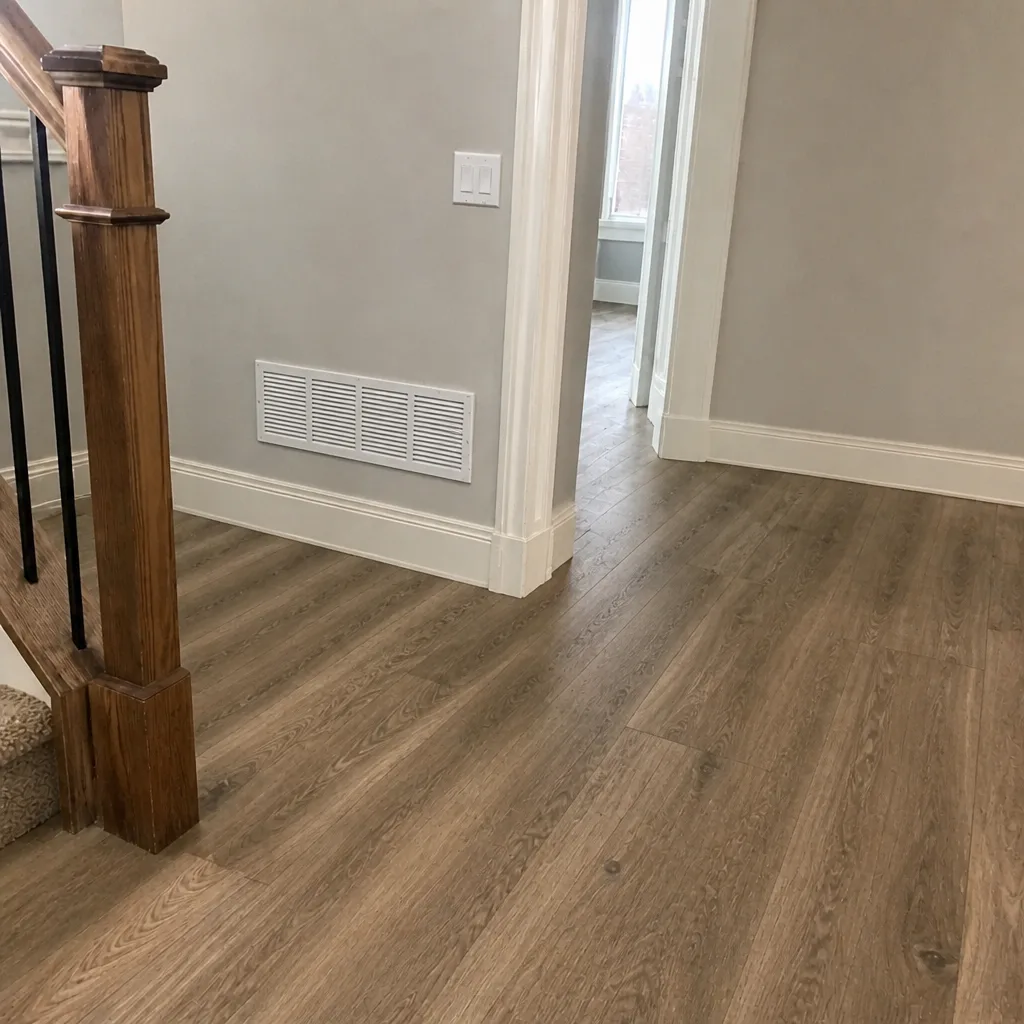 After
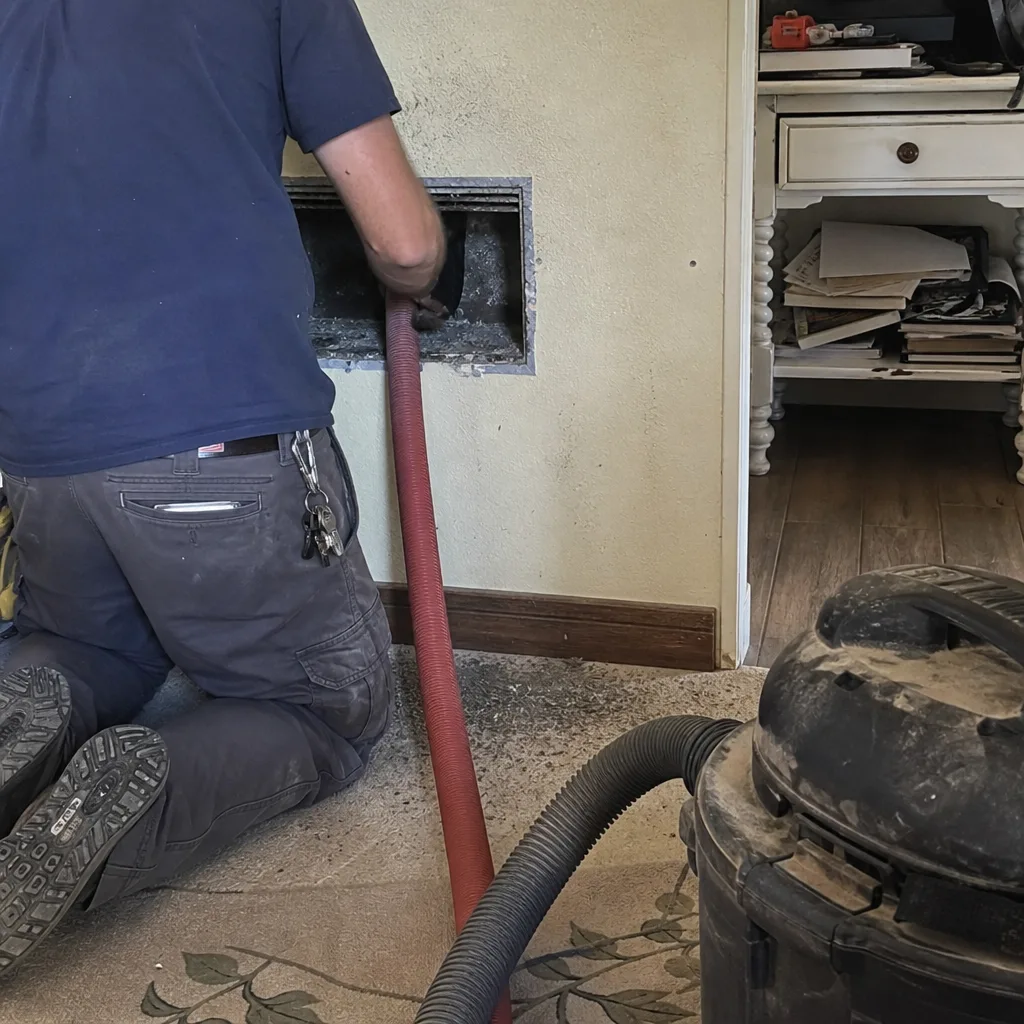 Before
 After
 Before
 After
Common Mistakes to Avoid
- Treating filter changes as duct cleaning. They’re two different maintenance jobs, on two different schedules, and replacing a filter does nothing for material already settled in the ducts.
- Using the calendar instead of the log. A universal “every three years” rule means some Parker homes get cleaned when they don’t need it and others wait years too long. Let your photos and filter loading guide the decision.
- Chasing a higher MERV number without checking airflow. A restrictive filter can starve a system of airflow; if registers feel weak after a filter change, that’s a signal to consult an HVAC technician.
- Skipping a baseline cleaning in a newly purchased home. New-home buyers in Parker, especially in newer-build neighborhoods, inherit a system with unknown history. A baseline cleaning and photograph set is the only reliable way to start a log.
- Overlooking the return side. Photographs of supply registers are useful, but the return trunk and filter housing are where soiling tends to start. Include at least the accessible return view in your log.
- Assuming duct cleaning is enough. If a duct run has a tear, a crushed section or an unsealed joint, cleaning helps but the leak keeps re-soiling it. Repair and sealing need to be considered together with cleaning.
- Forgetting the dryer vent entirely. It’s the safety item on the checklist and the one most often deferred. Put it on the log with the same discipline as the filters.
When to Call a Professional
The evidence in your log is the best trigger. If photographs from your reference registers show a visible layer of settled dust on duct walls after one full season, that’s a call. If filter loading accelerates sharply from one change to the next, that’s a call. If a musty smell traces to specific registers and persists after the system has run, that’s an inspection, not just a cleaning. After a renovation or a heavy wildfire smoke week, an inspection is worth scheduling if your reference register photos change noticeably. And if you’ve just moved into a home in Parker with no duct history, book a baseline cleaning and start your log from the before-and-after photos you get.
Parker Air Duct Cleaning Pros offers free estimates in Parker – call (877) 820-9183. Our technicians have up to 8 years of experience, and we bring professional-grade Rotobrush and Nikro equipment, not improvised tools. We answer 24/7, with fast dispatch from 7am to 7pm, Sunday through Friday.
Frequently Asked Questions
Parker air duct cleaning is quoted per job based on the size of the system, the number of registers, and whether other work like duct repair or sealing is needed – there isn’t a per-vent price we hand out over the phone. What you should insist on is a written estimate that sets the final price before work starts, and before-and-after photos of your own ducts. Call (877) 820-9183 for an exact quote – estimates are free.
Cheap quotes usually reflect cheap equipment – a shop vacuum and a brush rather than a purpose-built Rotobrush system with HEPA capture. That’s not just less effective; it can push dust around your home that a proper containment setup would capture. If a quote is much lower, ask what equipment they bring and whether they document before-and-after. Call (877) 820-9183 with any quote you have in hand for a straight comparison – estimates are free.
Before-and-after photos of your own ducts, taken by the technician during the job, are the only reliable proof. Those photos should go into your condition log as the baseline for the next decision. If a company won’t document, that’s the reason to choose another. Call (877) 820-9183 to schedule a documented cleaning – estimates are free.
Most Parker homes land between four and six years, but the honest answer is that it depends on your household. Heavy-shedding pets, recent renovation, wildfire smoke exposure and allergy concerns shorten the interval; well-sealed ducts and maintained whole-house filtration lengthen it. A condition log is what tells you which applies to your home. Call (877) 820-9183 to talk through your situation – estimates are free.
An inspection after a heavy season is worth doing if your reference register photos change or if you notice lingering smoke odor in supply registers. Smoke particulate can settle on duct surfaces and in the filter housing, and the filter alone doesn’t always stop it. If the log shows visible change, that’s the signal. Call (877) 820-9183 to book an inspection – estimates are free.
It should be on the same log, though it’s a separate maintenance item and a safety one – lint accumulation is a fire risk, not a comfort concern. Many Parker homeowners find it easier to have the ducts, dryer vent and any duct sealing handled by one specialist rather than coordinating multiple contractors. Call (877) 820-9183 for a free estimate.
The Bottom Line
The best duct maintenance strategy for a Parker home is a record, not a reminder. Photograph your reference registers, note your filter loading, log the events – smoke weeks, renovation, new pets, a move into an unknown system – and let the evidence tell you when cleaning is genuinely warranted. Professional cleaning delivered with purpose-built equipment like Rotobrush and Nikro, contained with Abatement Technologies filtration, and documented with before-and-after images, gives you a clean baseline to log from. Skip the universal interval, keep the log, and trust what it shows.
Call (877) 820-9183 for a free estimate. We answer 24/7. Fast dispatch from 7am to 7pm, Sunday through Friday.
Written by the team at Parker Air Duct Cleaning Pros.