
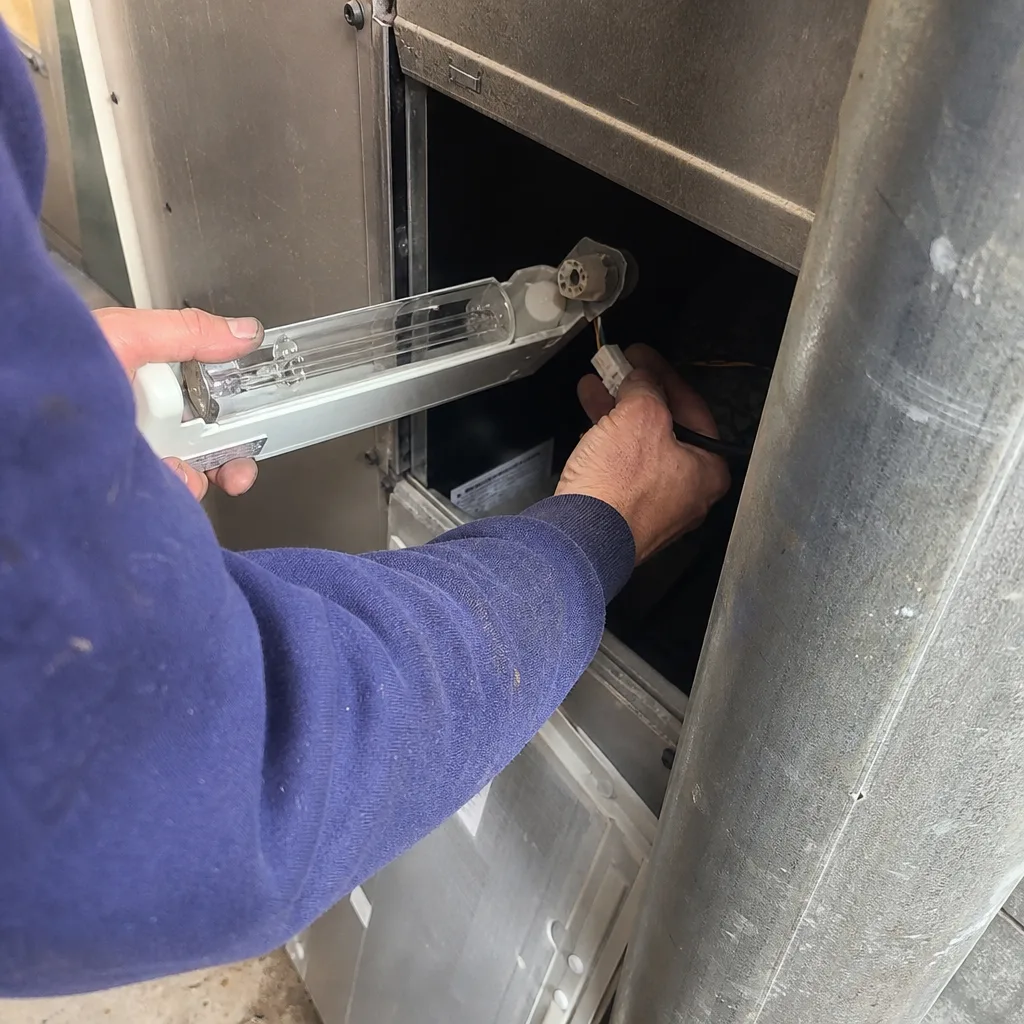
Last updated November 25, 2026
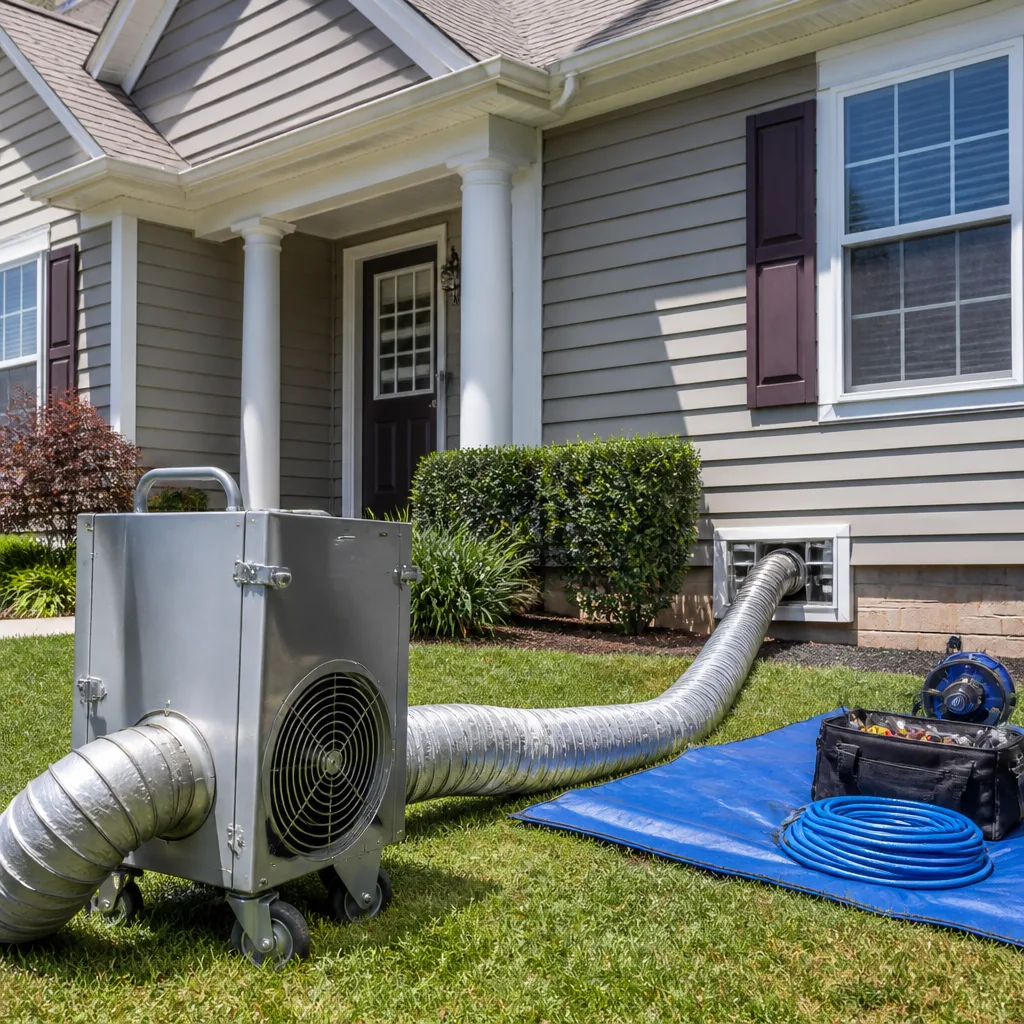 Whole-home duct cleaning
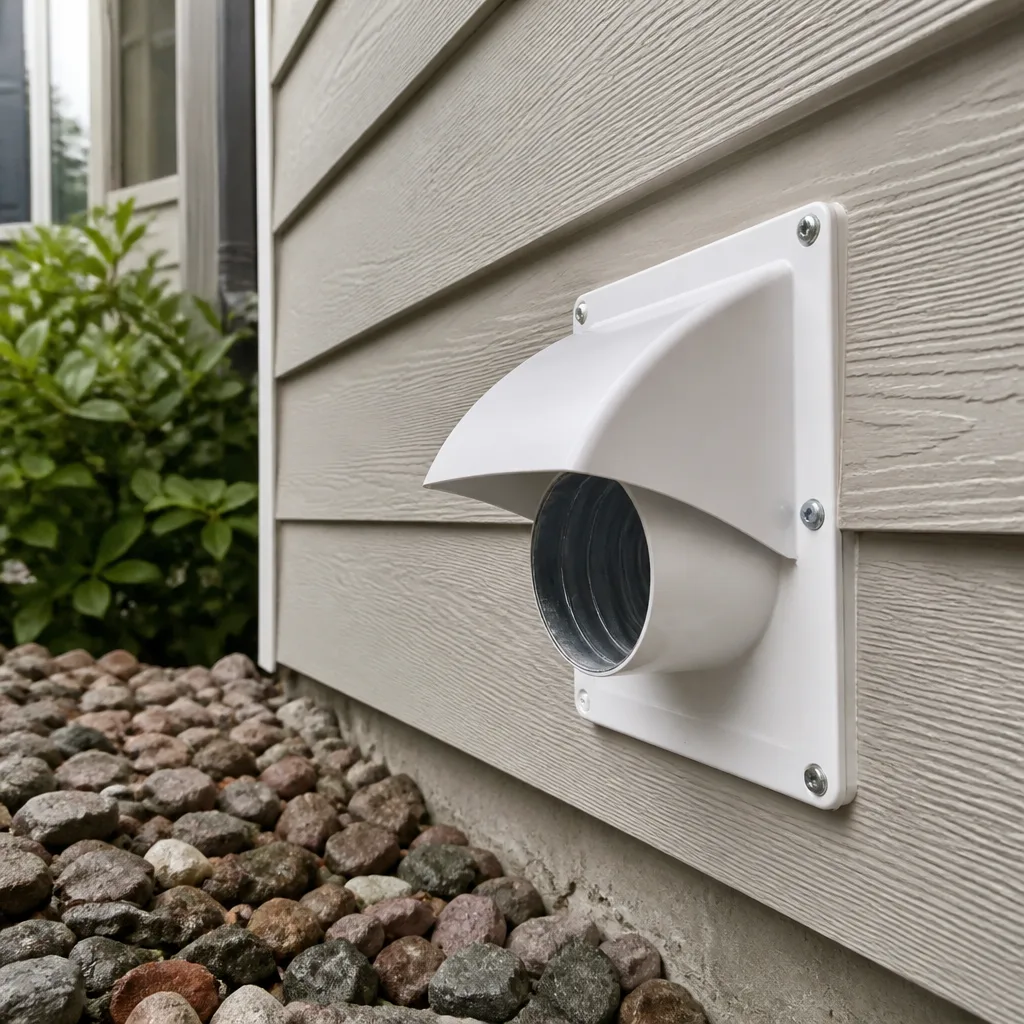 Dryer vent cleaning
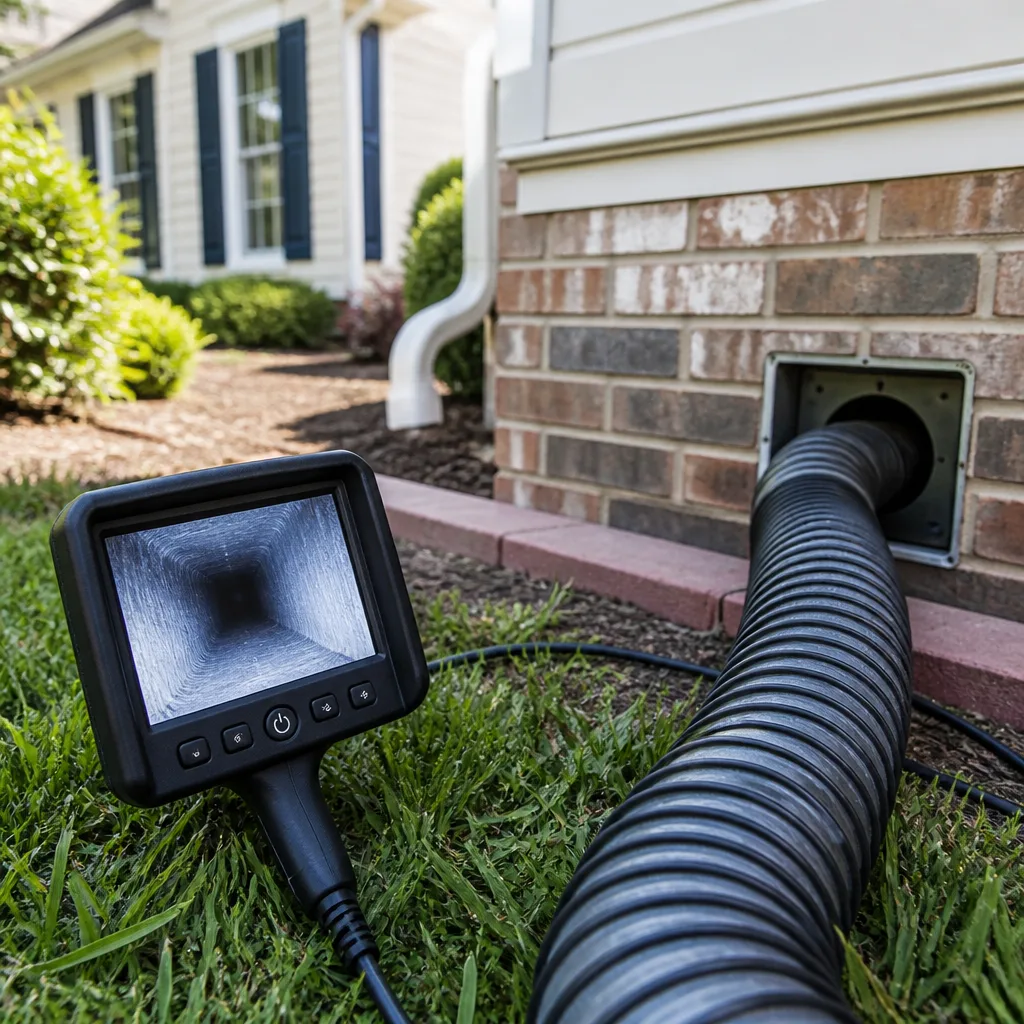 Camera inspection
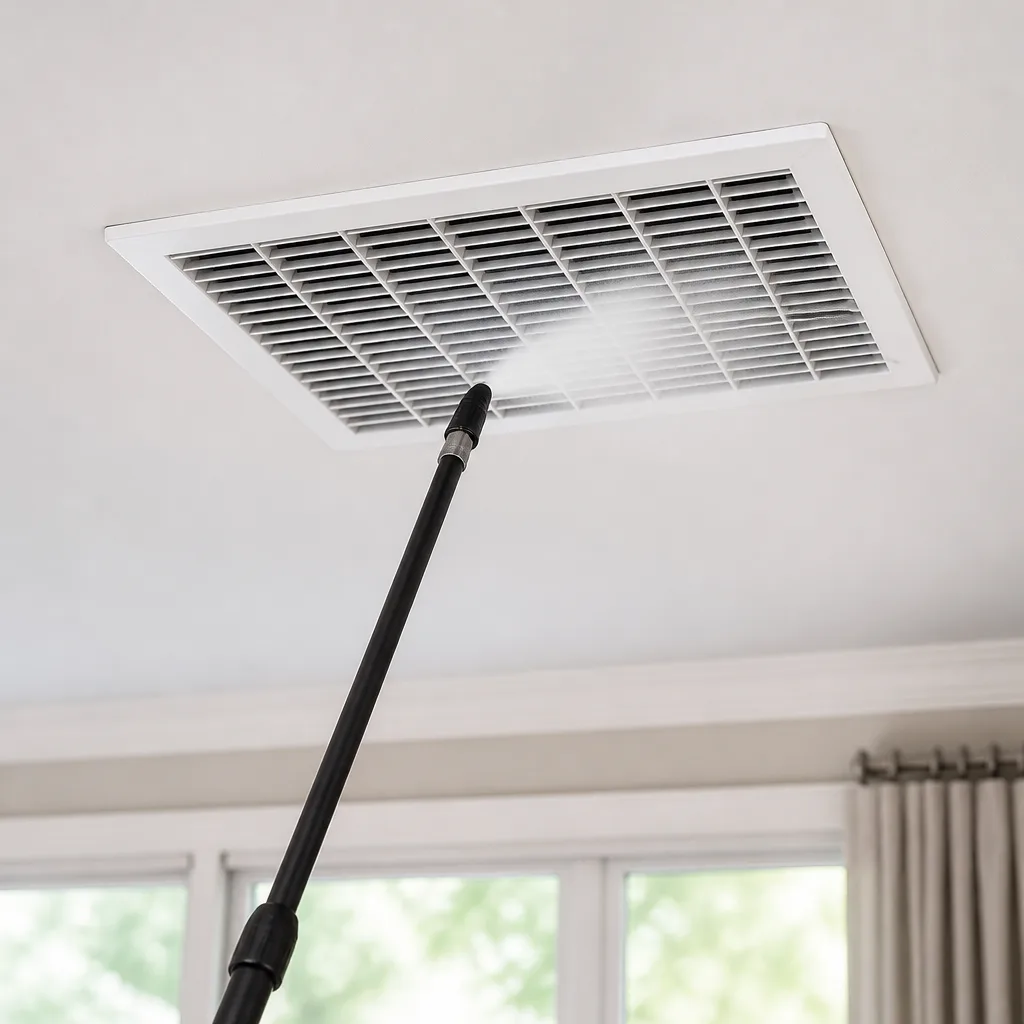 Sanitizing & deodorizing
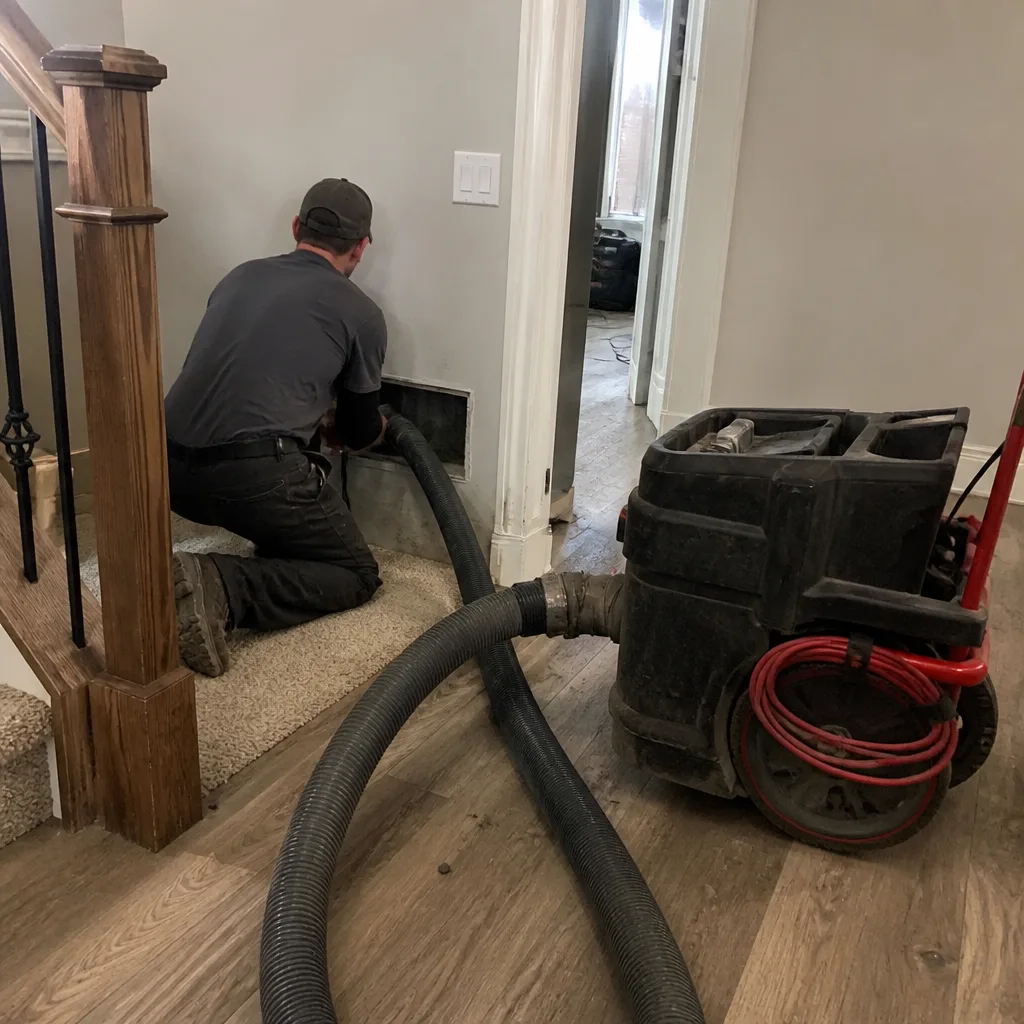
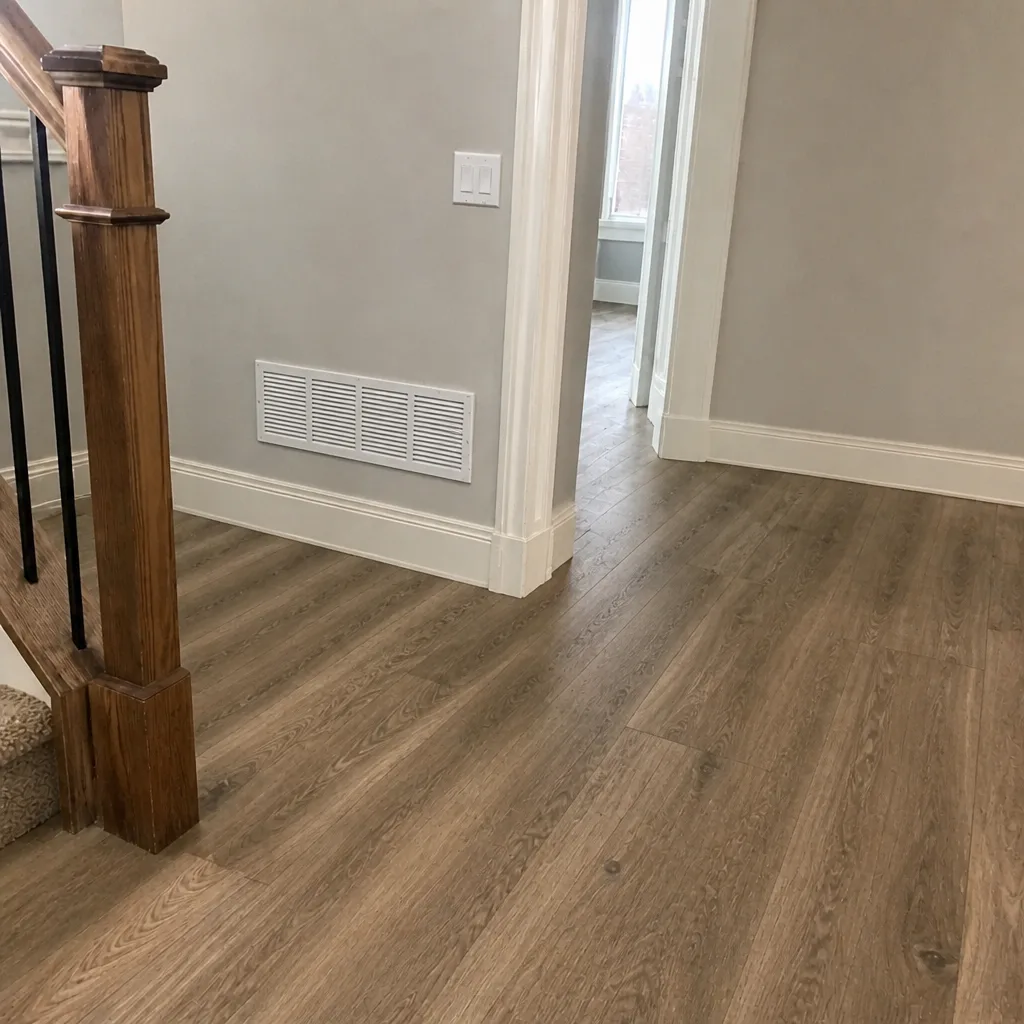
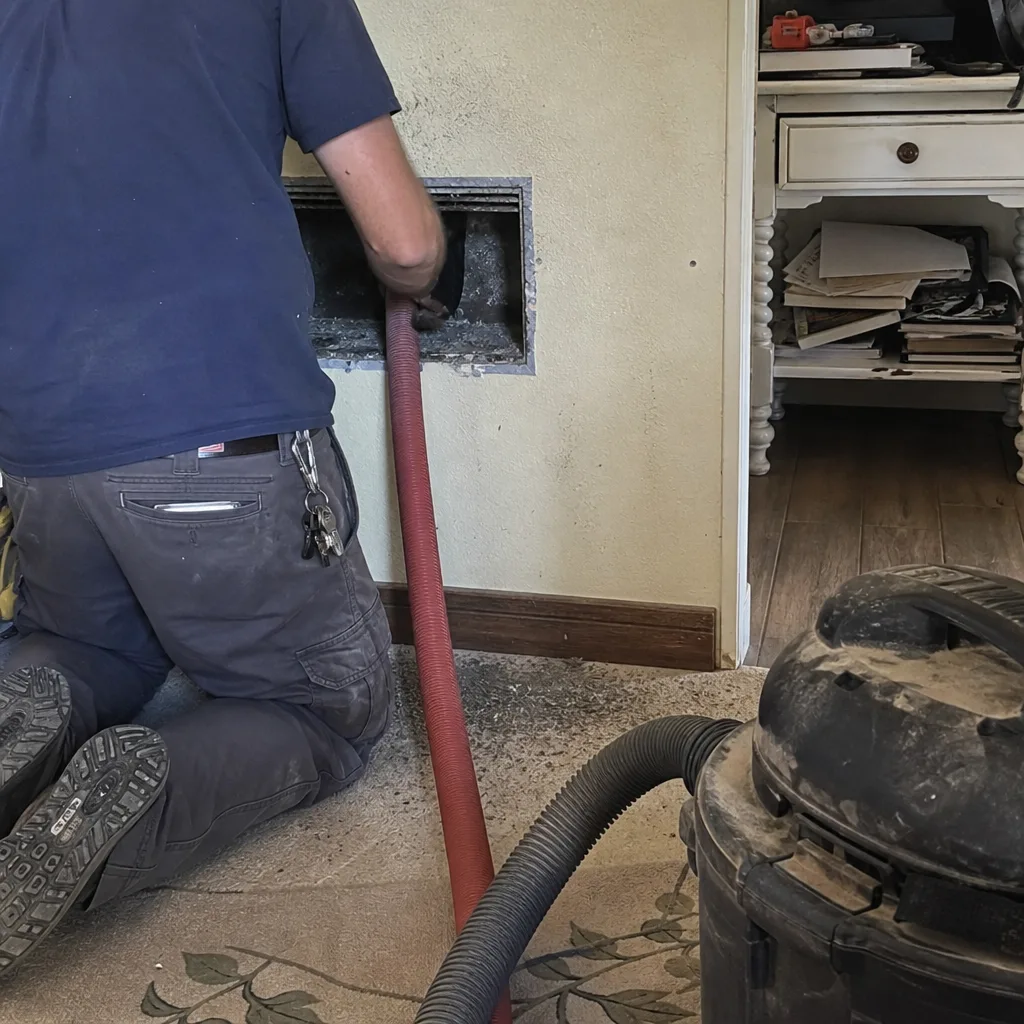
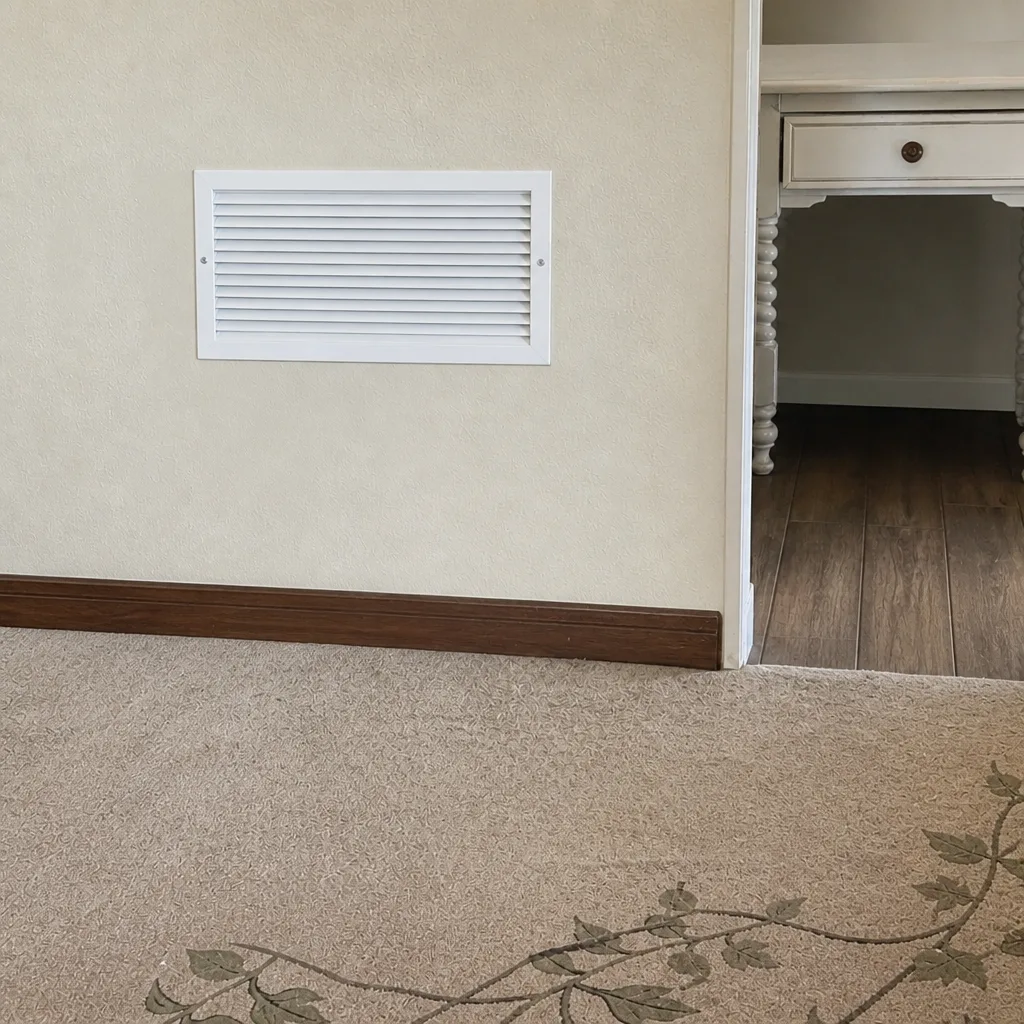
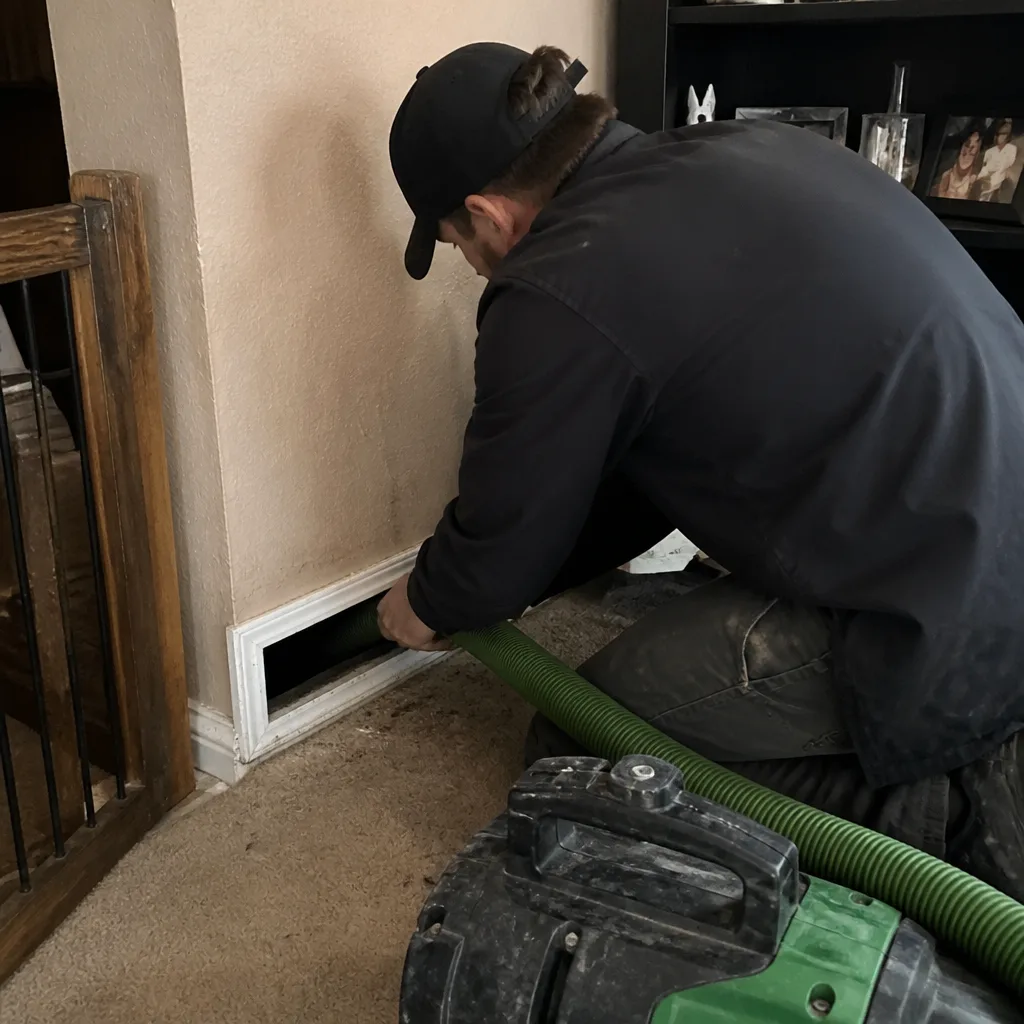
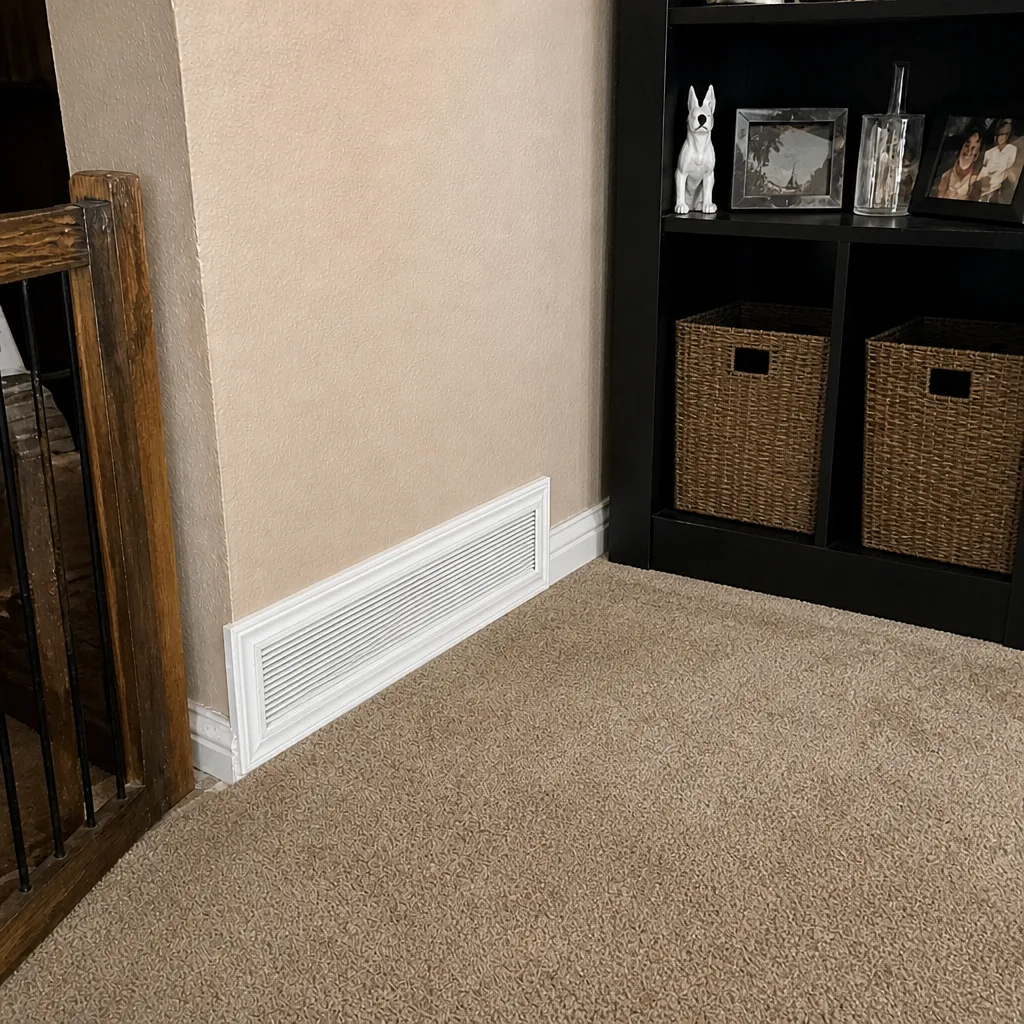
Whole-system duct and dryer vent check with before-and-after photos - you see exactly what came out of your vents
That "$99 whole-house special" is a bait ad - the real number appears once they are in your hallway, or the "clean" is a shop-vac at the register. We photograph the inside of your ducts before and after instead.
DIY vs Professional Air Duct Cleaning: The Parker Homeowner’s Decision Guide
Two machines are both described as “vacuuming your ducts” in online tutorials, and they are not doing the same job. A shop vac pulls somewhere around 100 to 150 cubic feet per minute. A truck-mounted duct cleaning unit pulls 10,000 to 16,000 CFM under negative pressure. The gap between those numbers is the whole debate. It’s not about whether you’re handy enough. It’s about whether the equipment can physically pull settled debris off a duct wall and hold it, or just stir it loose into the air your family breathes. This guide walks through what you can honestly do yourself in a Parker home, what you can’t, and where the line sits. We’ll cover the physics, the legitimate DIY wins, and the specific situations where calling a specialist saves you from making things worse.
Quick Answer
DIY air duct cleaning is genuinely useful for register cleaning, filter upgrades, and visual checks, but it cannot replicate the airflow and negative-pressure containment a professional system uses to extract debris from duct interiors. In a Parker home with light dust and no health triggers, DIY is often enough; after renovation, with visible mold, or with aging duct insulation, professional cleaning is the safer, more effective path. Every professional job should come with a flat price per system and before-and-after photos you can actually see.
Styles & brands we work with
- Whole-home duct cleaning
- Dryer vent cleaning
- Camera inspection
- Sanitizing & deodorizing
Table of Contents
- The Equipment Physics: Why CFM and Negative Pressure Decide the Outcome
- What Homeowners Can Genuinely Do Without Professional Equipment
- Where DIY Duct Cleaning Quietly Fails
- Parker Scenarios: When DIY Is Enough and When It Isn’t
- The Real Risk of Improper DIY Cleaning, Without the Scare Tactics
- How to Judge a Professional Duct Cleaning Quote in Parker
- Common Mistakes to Avoid
- When to Call a Professional
The Equipment Physics: Why CFM and Negative Pressure Decide the Outcome
Airflow is the whole story. CFM, or cubic feet per minute, measures how much air a machine can move. Duct cleaning works by creating enough airflow, inside a sealed system, to lift dust, dander, and debris off the duct walls and carry it into a collection point. A machine too small to generate that lift doesn’t remove anything; it disturbs it.
Here’s the working range, in plain terms:
- Shop vac: roughly 100 to 150 CFM. Fine for a register face, a floor, a car interior. Not built to pressurize a home’s duct network.
- Portable pro-grade duct vacuum: several hundred to a few thousand CFM, often paired with a rotary brush and HEPA filtration.
- Truck-mounted duct cleaning unit: 10,000 to 16,000 CFM, running the duct system under negative pressure so loosened material is pulled out, not blown into the living room.
Negative pressure is the second half of the equation. When the collection unit pulls harder than the surrounding room, airborne particles move toward the vacuum, not toward your couch. That’s why the Abatement Technologies air-filtration gear we use in Parker matters as much as the vacuum head: it seals the working area and keeps fine particulate from migrating during cleaning. A shop vac creates no negative pressure on the system, so any debris it loosens has nowhere guaranteed to go.
Third piece: mechanical agitation. Dust binds to duct walls. A rotary brush head, like the kind on a Rotobrush system, scrubs the wall while the vacuum holds the loosened material. Suction alone in a consumer machine mostly glides over that bound layer. If you take one thing from this section, take this: air duct cleaning is a mechanical-and-vacuum paired operation, not a suction-only operation, and a shop vac only delivers half of it.
What Homeowners Can Genuinely Do Without Professional Equipment
Plenty, and we’d rather you know it. A homeowner who keeps filters moving and registers clean is doing real work that reduces demand on the whole system. Here’s what falls comfortably inside DIY territory, even here in Parker where spring winds carry a lot of fine dust:
- Register and grille cleaning. Pop off the supply and return grilles, wash them in the sink, dry them fully, and reinstall. This knocks down the visible dust layer that recirculates every time the fan runs.
- Filter system optimization. Match the filter to the system, not to the marketing on the box. A filter rated too high for the blower can choke airflow; one rated too low lets dust through. Check the filter housing for gaps and bypass, which is where most fine dust sneaks past even a good filter.
- Dryer vent visual inspection. Pull the dryer out, disconnect the vent, and look inside with a flashlight. If you see lint buildup or a crushed flex run behind the unit, that’s a safety issue worth escalating – dryer vent cleaning is a fire-safety service, not a comfort upgrade.
- Accessible flex duct checks. In an unfinished basement or crawlspace, look for sagging flex runs, disconnected joints, and crushed sections. You can’t fix them safely, but you can photograph them and flag them.
- Humidity awareness. A cheap hygrometer tells you whether the house is running dry in winter or damp in summer. That reading informs filter choices and whether a whole-home humidifier or dehumidifier conversation is worth having.
None of that requires a truck, and none of it is wasted effort if you later hire a specialist. In our experience, homes with consistent filter hygiene and clean registers need professional cleaning less often than homes that ignore both.
Where DIY Duct Cleaning Quietly Fails
The failure isn’t dramatic. It’s a homeowner who buys a duct-cleaning brush kit at a big-box store, shoves it down a return, and ends up with a home that smells dustier for a week. Here’s what’s actually happening:
- Surface loosening, not extraction. A brush on a drill spins up dust from the walls but the vacuum on the other end can’t keep up with the volume. Debris hangs in the air column and settles back where it started, just more evenly spread.
- No negative pressure. Without a sealed system running at negative pressure, loosened particulate escapes at register openings and any unsealed joint. The visible evidence – dust on the blinds two days later – is the proof.
- Inaccessible runs. Long trunk lines, second-floor returns, and ducts that turn sharply behind finished walls are unreachable with a consumer brush kit. Entire sections of the system stay untouched.
- No containment. Professional HVAC cleaning uses negative-pressure containment so contaminants route through filtration rather than back into the room. DIY has no equivalent, which is why the process can degrade indoor air in the short term even when nothing is truly wrong.
- Missed damage. A homeowner brushing a flex run can snag and tear the inner liner, and that tear becomes a leak that costs more than the cleaning would have. We see this more often in older homes where duct insulation has already aged.
The point isn’t that every DIY attempt damages a system. Most don’t. The point is that the work a shop vac and a brush kit can honestly do ends at the register, and the work inside the duct exceeds what consumer tools were designed to deliver.
Parker Scenarios: When DIY Is Enough and When It Isn’t
Parker’s housing stock spans newer builds in neighborhoods like Stonegate and Canterberry Crossing, mid-2000s construction in Bradbury Ranch, and a smaller pocket of older homes closer to the downtown core near Mainstreet. Those builds have different duct stories, and the DIY verdict changes with them.
When DIY is genuinely enough
- A newer Parker home with light surface dust. If the house is under a decade old, the ducts were installed clean, and there’s no smoke, no pets, no recent renovation, register cleaning plus filter discipline is proportionate. Professional cleaning in this scenario is often premature.
- No health triggers. If nobody in the household has new or worsening respiratory symptoms, and no one is immunocompromised, the urgency drops. Filter hygiene and register cleaning carry the weight.
- Post-filter-change dust. A puff of dust right after a filter change is normal and doesn’t signal duct failure. Clean the register, replace the filter correctly, and watch whether the dust recurs.
- Dryer vent you can see. If the vent run behind the dryer is short, straight, and visible, a visual check plus lint removal is a reasonable homeowner task.
When DIY is counterproductive
- Post-renovation debris. Drywall dust, sawdust, and construction grit settle deep in the system during a remodel and bond to duct walls. Consumer tools stir this without removing it, and the renovation dust cloud lingers longer than it should.
- Mold presence. Any musty odor, visible growth near a register, or moisture staining on a duct run means a professional assessment, not a shop vac. Disturbing mold without containment spreads spores.
- Older duct systems with deteriorating lining. Homes with aged flex duct or a duct board that has started to break down need a careful hand and a trained eye. A homeowner brush can delaminate the liner and turn a dusty duct into a leaking one.
- Pest evidence. Droppings, nesting material, or dead insects inside a duct require containment, filtration, and often sanitizing after removal. That’s not a weekend project.
- Asthma or allergy diagnoses. When a doctor has identified an indoor air trigger, guessing at the source with a shop vac wastes time. A measured cleaning plus a documented before-and-after gives you real information.
Our Parker technicians have up to 8 years of experience, and one pattern holds across almost every call: the DIY attempts that went wrong were the ones done on a system that already had a problem nobody had diagnosed.
The Real Risk of Improper DIY Cleaning, Without the Scare Tactics
The honest answer is that improper DIY duct cleaning usually doesn’t cause catastrophe. It causes a temporary rise in airborne dust and, in the wrong system, a small chance of damage. That’s it. No horror story required.
Here’s the mechanism, in order:
- A consumer brush or wand loosens settled debris from the duct wall.
- The shop vac at the register can’t keep pace with the volume of material now airborne.
- Some of that debris exits the system through register openings, joints, or filter bypass.
- It settles on surfaces in the living space over the following days.
- The duct is left slightly cleaner at the wall and slightly redistributed overall.
The practical takeaway is that a half-completed duct cleaning can make the air feel worse for a short window without making the system meaningfully cleaner. If you’re going to do the job, do it with equipment that can finish it. That’s not a scare tactic; that’s just how airflow works. The other real risk, mechanical damage to a flex liner or a compromised duct board, is preventable by knowing what material you’re working with before you start. If you can’t identify the duct type, don’t brush it.
We’d add one note on safety that matters more than any of this: if the job requires opening an electrical panel, working near gas connections, or crawling through a tight attic with ceiling-height fall risk, hire the trained professional. The dust is not the danger in those situations. The surroundings are.
How to Judge a Professional Duct Cleaning Quote in Parker
Once you’ve decided professional cleaning is the right call, the next question is how to tell a fair quote from a bait-and-switch. The industry has earned some of its skepticism. Here’s a short checklist.
- One flat price per system, agreed before work starts. No per-vent pricing, no coupon that becomes a larger invoice once the technician is on site. The written estimate sets the final price.
- Equipment named, not implied. A serious operator tells you what they’re bringing: a rotary-brush system like Rotobrush, a HEPA-rated vacuum such as Nikro, and containment filtration. If the quote won’t say, ask again.
- Before-and-after documentation. Photos of your own ducts, not stock imagery. This is the single most useful proof a cleaning was actually done.
- Full-chain thinking. Cleaning without checking duct repair and sealing needs is incomplete. If the system has gaps, the cleaning is the first step, not the only one.
- Sanitizing offered as a service, not a scare. Guardsman-grade sanitizing treatments have a real place after mold remediation or pest removal. They don’t belong in every quote by default.
- Filtration and humidity systems recognized. If your home has a Honeywell or Aprilaire filter or humidifier installed, the technician should be able to speak to it, not just the ducts.
If the quote fails the first item on this list, it fails the test. Everything else can be negotiated; the flat price is the floor.
Common Mistakes to Avoid
- Buying a duct brush kit for a system that needs extraction. Brush kits loosen without extracting, and in a post-renovation Parker home they can leave the air dustier than they found it.
- Assuming every quote with a coupon is a deal. The coupon is often a teaser; the invoice reflects the real work. Ask for the flat per-system price in writing before anyone arrives.
- Cleaning the ducts but ignoring duct seals. Sealing gaps matters as much as cleaning. A clean duct system with leaking joints pulls attic dust into the home continuously.
- Skipping the dryer vent because it “isn’t the ducts.” The dryer vent is a fire risk, not a comfort issue, and a crushed or lint-clogged run deserves the same attention as a dirty supply line.
- Cleaning once and never checking filters again. Duct cleaning buys you a clean starting point; filter discipline is what keeps it. Ignoring filters after cleaning resets the clock fast.
- Assuming a newer build means clean ducts. Construction debris often enters a system during the build and settles in places a homeowner never sees. In a Stonegate or Bradbury Ranch home, a post-purchase inspection is worth the estimate even if cleaning isn’t needed yet.
- Brushing a duct before knowing the liner type. Flex duct can tear. Duct board can delaminate. Identify the material first, or let a trained technician handle it.
When to Call a Professional
Call a professional when the system shows signs of a real problem, not just a maintenance itch. That means visible mold or a persistent musty odor, rodent or insect evidence inside a duct, a recent renovation that left heavy debris, an asthma or allergy diagnosis linked to indoor air, a dryer vent you can’t inspect, or a full system you can’t reach with consumer tools. It also means calling when you want documentation: before-and-after photos of your own ducts and a flat per-system price agreed in advance. A specialist brings the mechanical extraction and containment that a shop vac physically cannot generate, and that’s the difference between cleaning a duct and disturbing it.
Parker Air Duct Cleaning Pros offers free estimates in Parker – call (877) 820-9183. We answer 24/7. Fast dispatch from 7am to 7pm, Sunday through Friday. Our technicians have up to 8 years of experience, and the local pro we connect you with is licensed and insured as their state requires.
See the difference
 Before
 After
 Before
 After
 Before
 After
Frequently Asked Questions
Air duct cleaning in Parker typically runs as a flat price per system rather than per vent, and the written estimate sets the final price. The number depends on the number of systems, the length of runs, whether duct repair or sealing is needed, and whether sanitizing is part of the job. If a quote is per-vent or built on a coupon teaser, ask for the real flat price before work starts. Call (877) 820-9183 for an exact quote – estimates are free.
Cheap quotes are usually cheap because they leave out the equipment the job needs. A low price often means no rotary-brush agitation, no HEPA-rated extraction, and no negative-pressure containment – the three things that actually remove debris. When the technician arrives, the “recommended add-ons” appear and the invoice grows. Ask what equipment the price includes before you book. Call (877) 820-9183 and we’ll quote you a flat per-system price in writing.
You ask for before-and-after photos of your own ducts, not stock images. A serious operator documents the work because the physical extraction leaves visible evidence. If the technician can’t or won’t show you photos, that’s your answer. Our process uses Rotobrush rotary-brush extraction and Nikro HEPA-rated vacuums specifically so the results are visible. Call (877) 820-9183 to schedule an estimate.
Most Parker homes don’t need duct cleaning on a fixed schedule. Re-cleaning is warranted after renovation, pest intrusion, mold remediation, or a change in household health. Homes with heavy shedding pets, smoking, or a family member with respiratory sensitivity may warrant more frequent checks. A free estimate is the honest way to find out whether the system actually needs work now. Call (877) 820-9183.
You can clean the registers with a shop vac, and that’s worthwhile. You can’t clean the duct interiors, because a shop vac pulls roughly 100 to 150 CFM while a professional truck-mounted unit pulls 10,000 to 16,000 CFM under negative pressure. The gap isn’t a marketing number; it’s the difference between lifting debris off a duct wall and stirring it into the air. Call (877) 820-9183 if you’d rather have it done with equipment built for the task.
Often not immediately, and we’d rather say so. A newer Parker home with no health triggers, no smoking, no pets, and no recent renovation usually just needs register cleaning and filter discipline. Professional cleaning becomes worth it after a renovation, when construction debris has entered the system, or when mold, pest, or moisture signs appear. A free estimate tells you which side of the line you’re on. Call (877) 820-9183.
The Bottom Line
DIY duct cleaning has a real, honest role: clean registers, good filters, dryer vent checks, and visual inspection of accessible ducts. None of it is wasted. But the question of DIY versus professional isn’t about skill; it’s about whether the equipment can lift and capture debris from a duct wall. A shop vac moves 100 to 150 CFM. Professional equipment moves 10,000 to 16,000 under negative pressure. That gap is what separates cleaning from redistribution, and it’s why we use the same professional-grade equipment – Rotobrush, Nikro, Abatement Technologies – found in commercial settings. If the system has mold, renovation debris, pest evidence, or an aging liner, bring in a specialist. If it doesn’t, keep your filters disciplined and enjoy the extra money in your pocket. Either way, you now know the difference.
Ready for a Verifiable Estimate?
Parker Air Duct Cleaning Pros works in one trade only – air duct and HVAC cleaning – which is why our technicians have up to 8 years of experience with duct systems rather than a dozen unrelated trades. Every job we connect you with comes with one flat price per system agreed before work starts, and before-and-after photos of your own ducts. The local pro is licensed and insured as their state requires. Call (877) 820-9183 for a free estimate. We answer 24/7. Fast dispatch from 7am to 7pm, Sunday through Friday.
Written by the team at Parker Air Duct Cleaning Pros.