
Last updated November 25, 2026
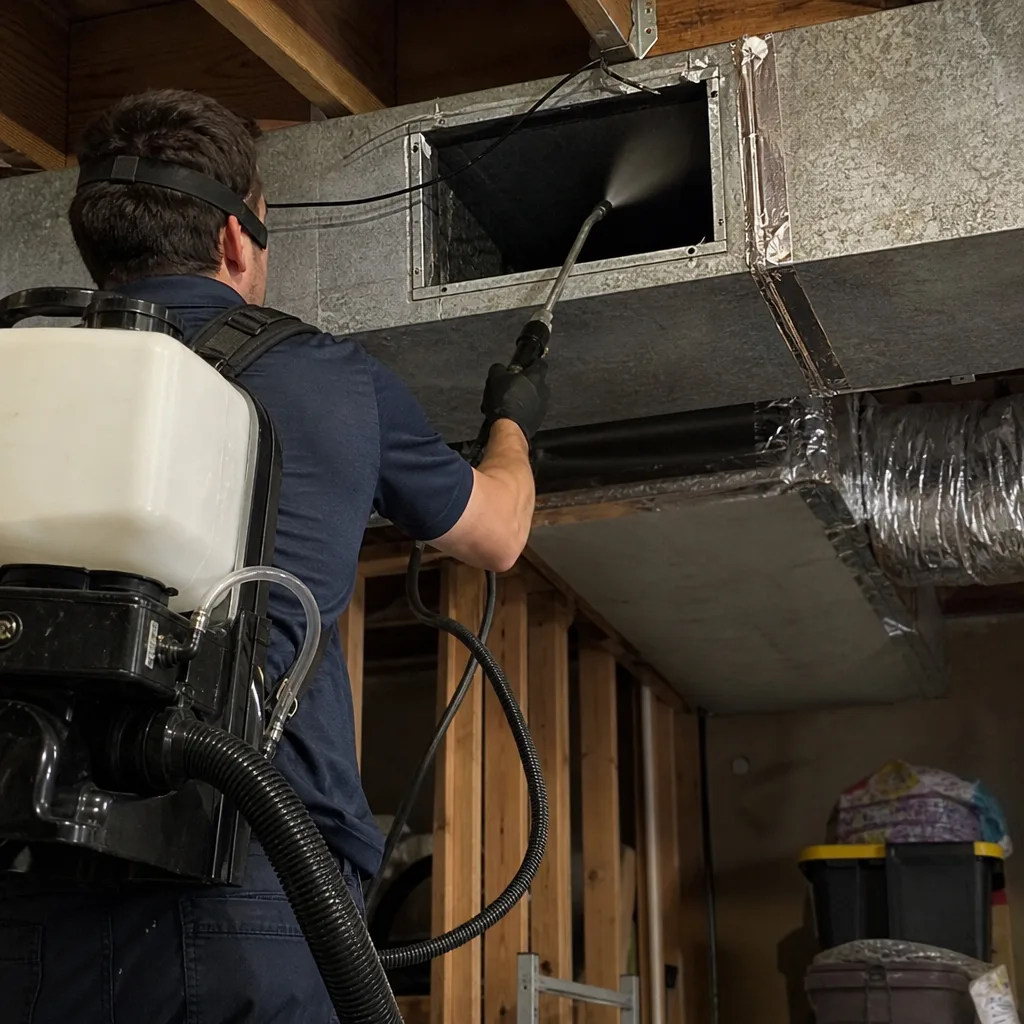
 Whole-home duct cleaning
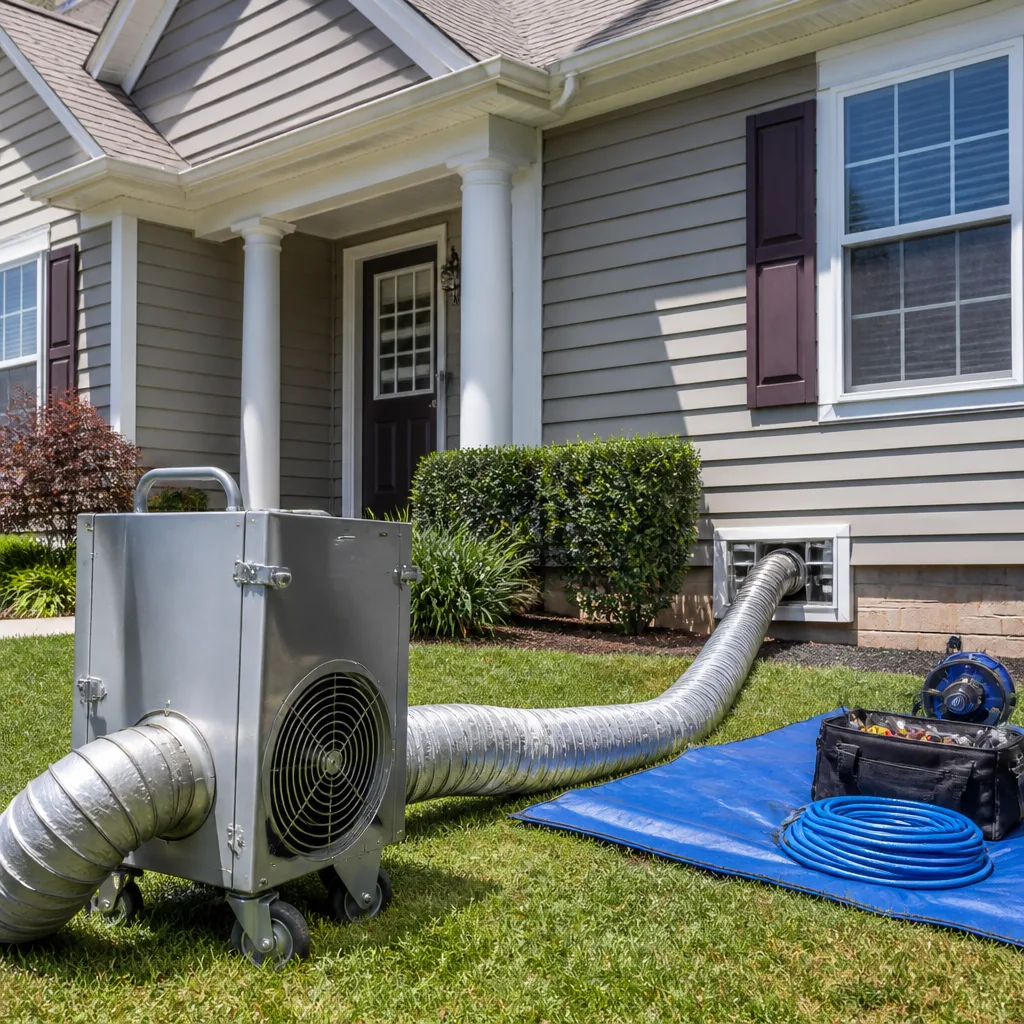
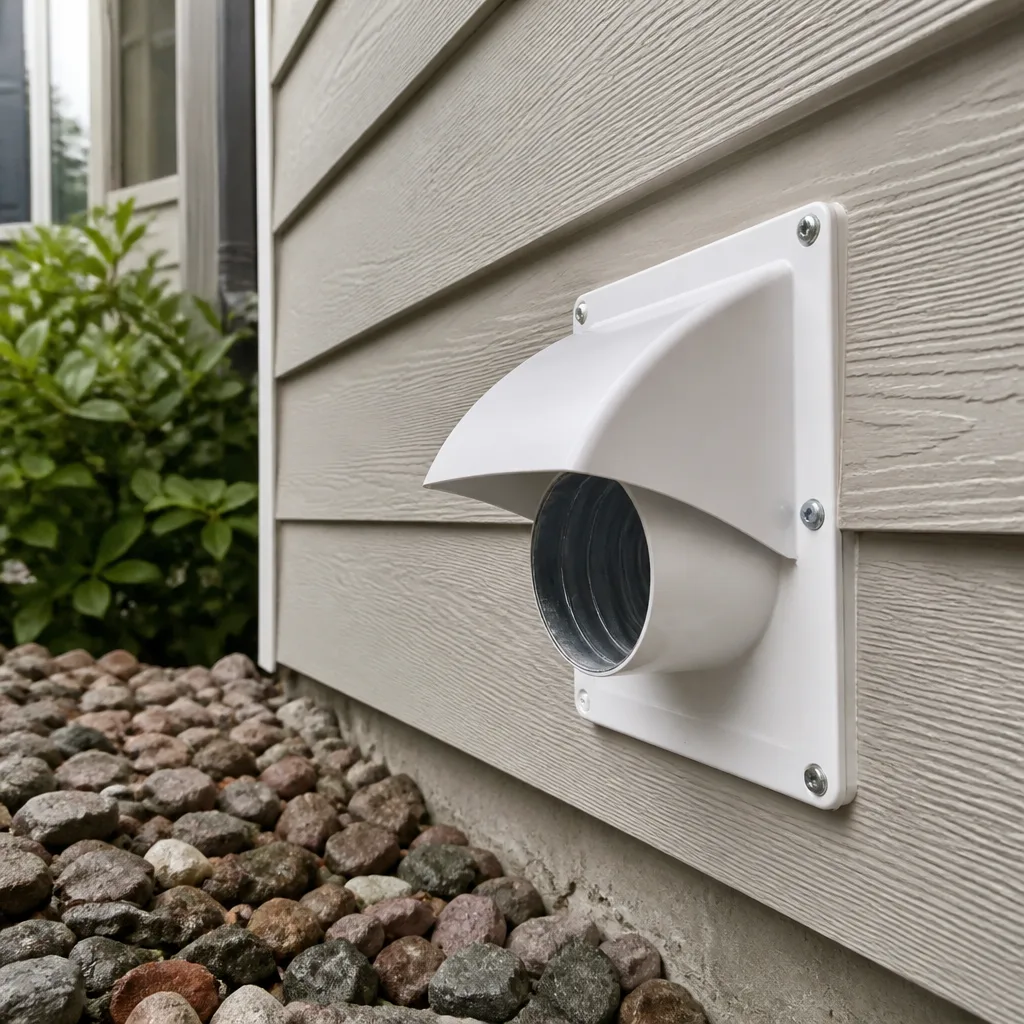 Dryer vent cleaning
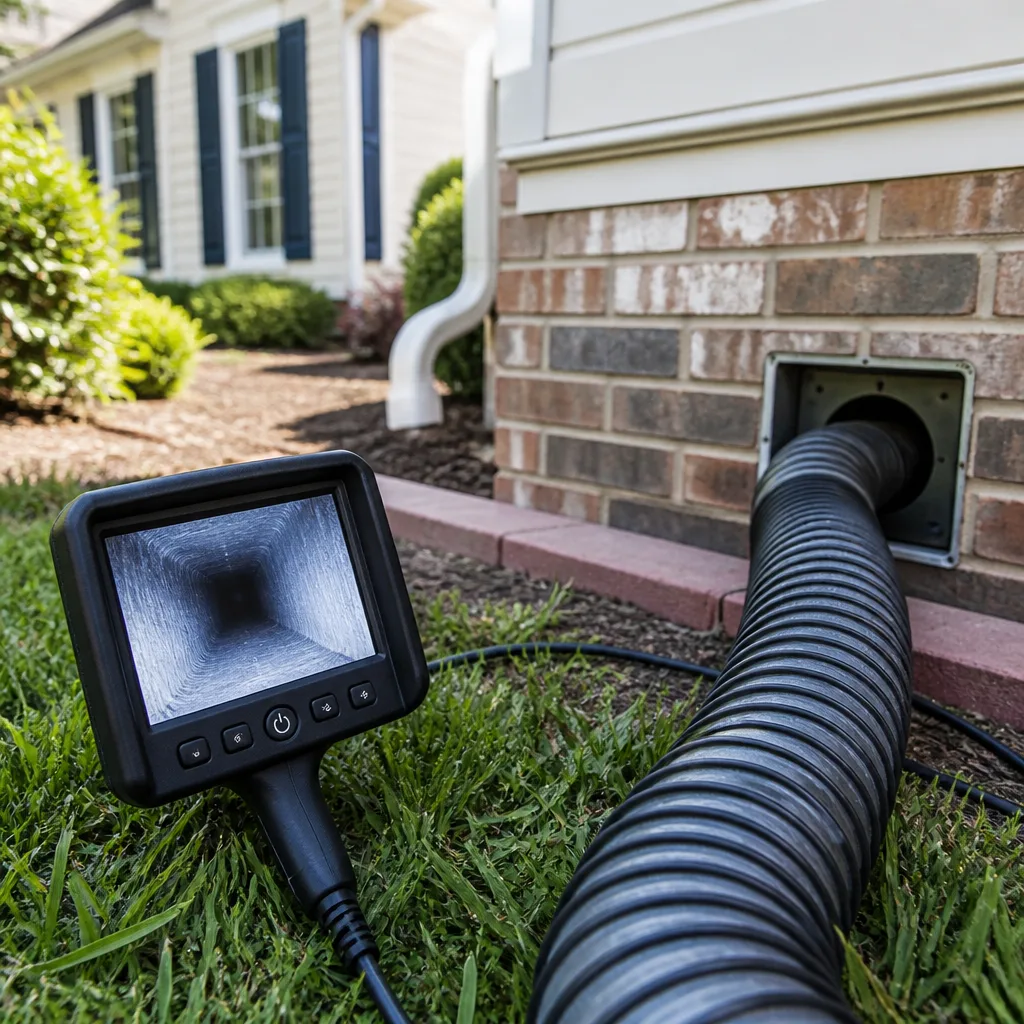 Camera inspection
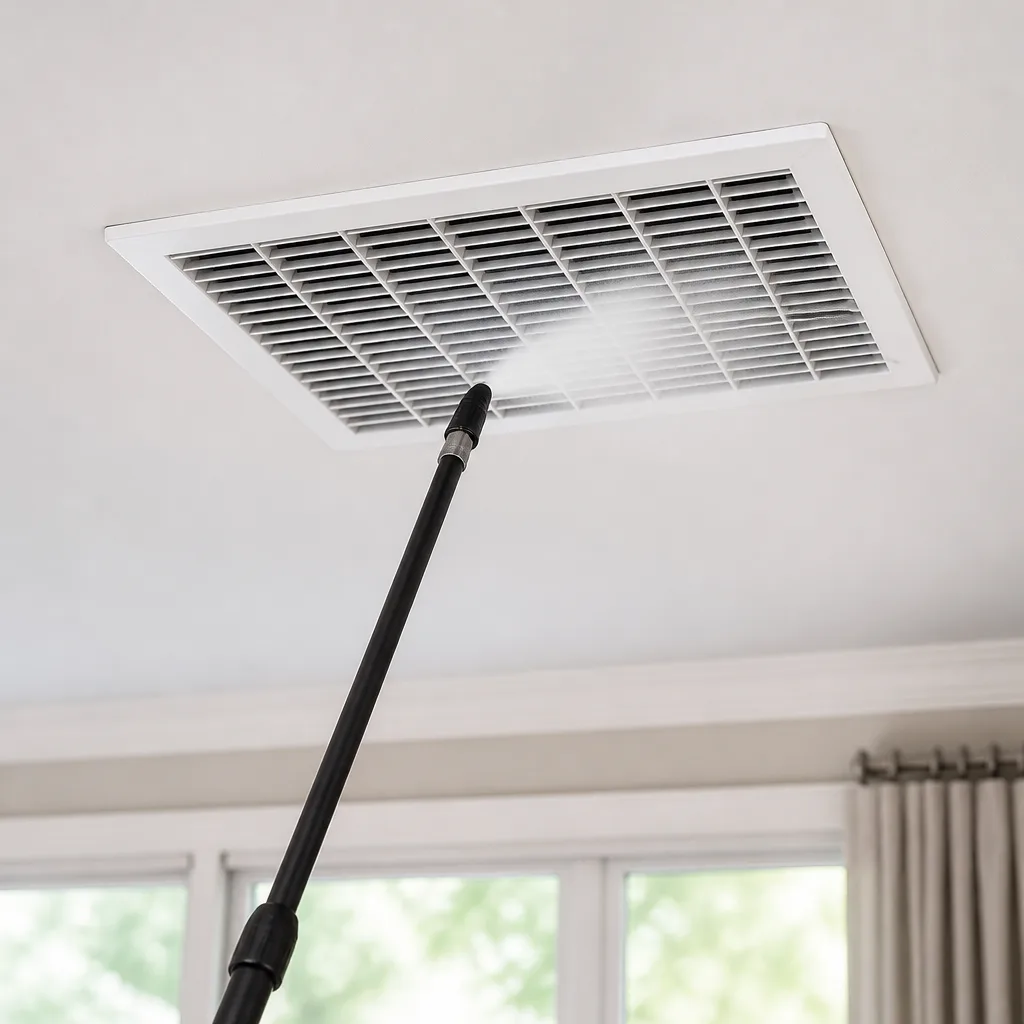 Sanitizing & deodorizing
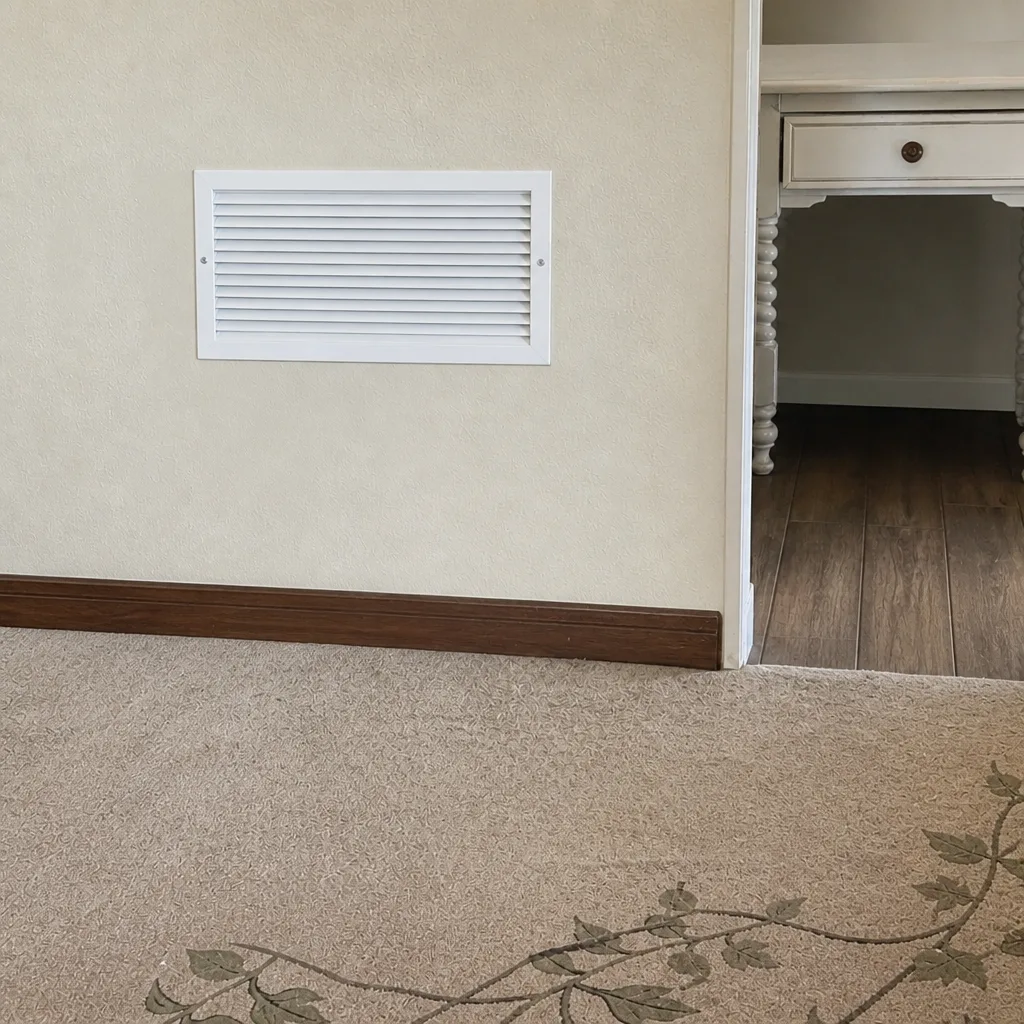
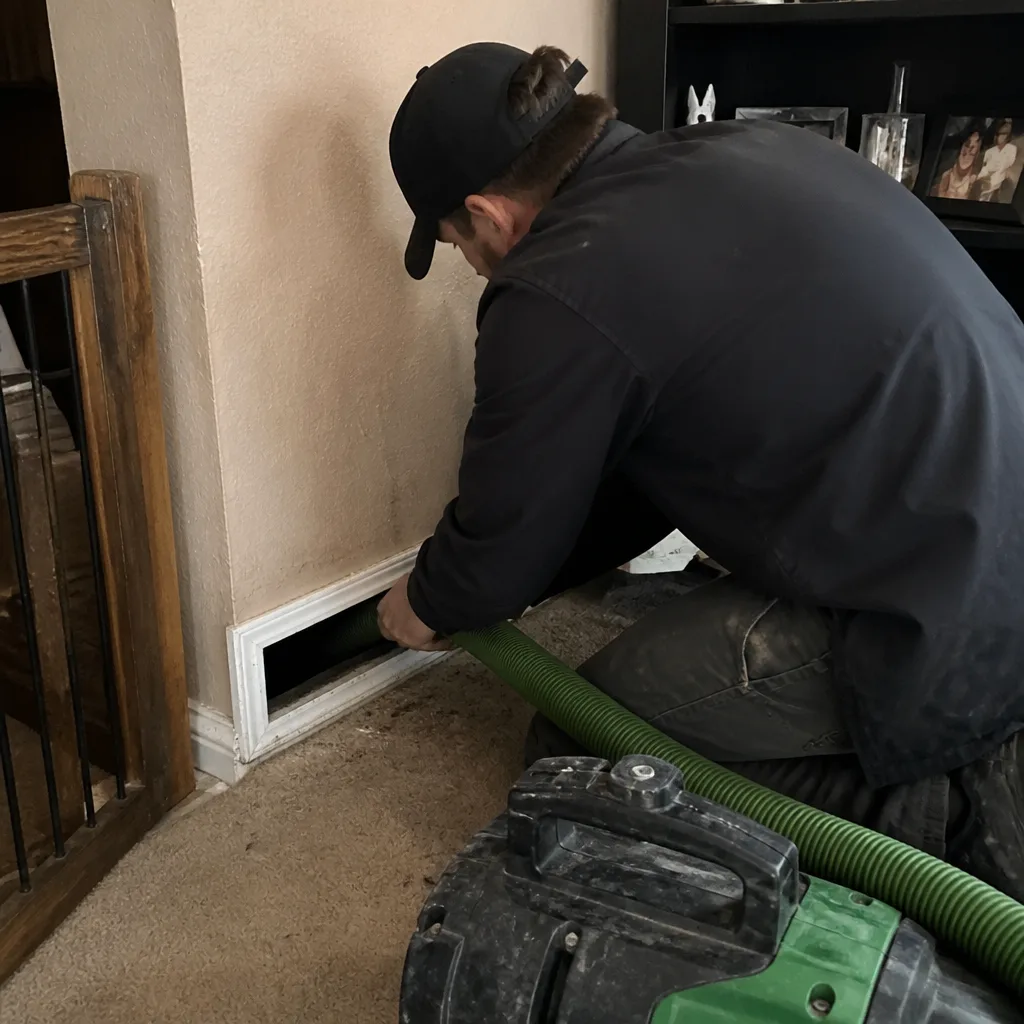
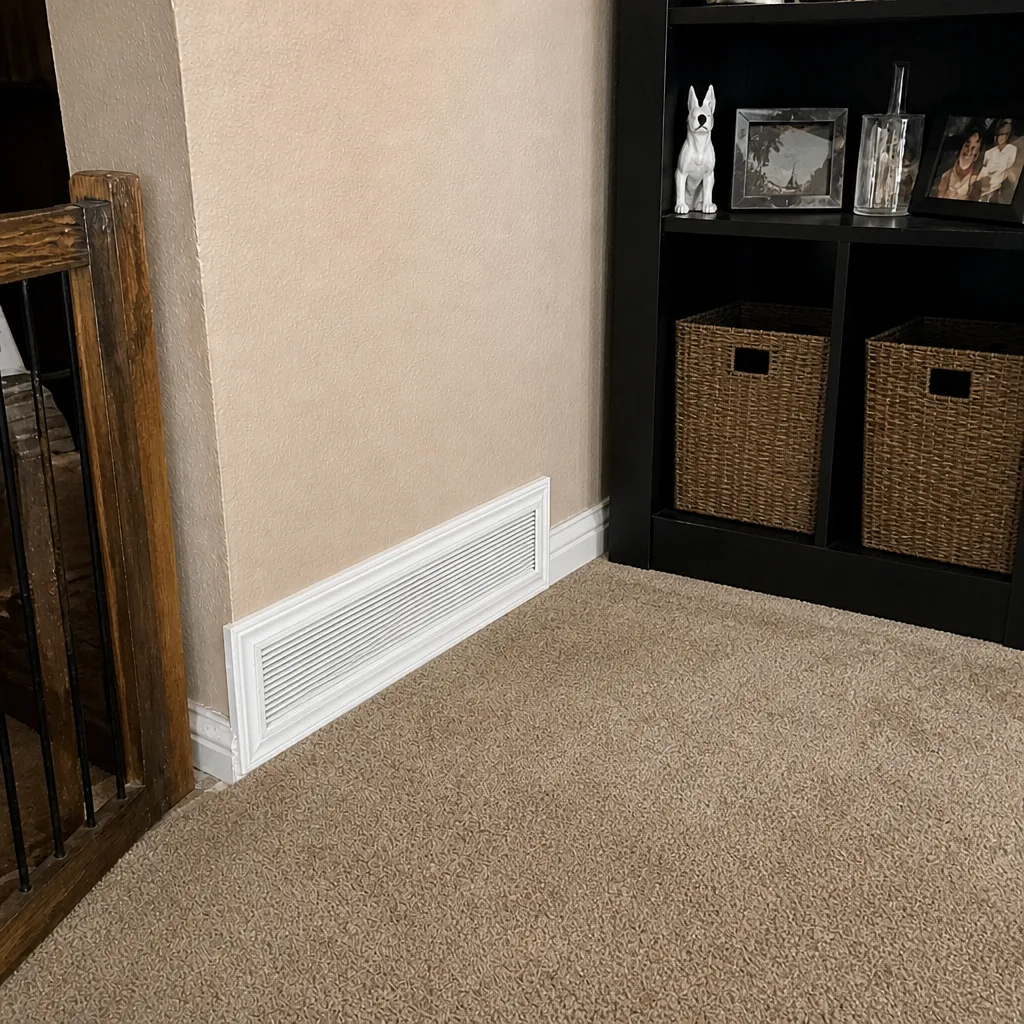
Whole-system duct and dryer vent check with before-and-after photos - you see exactly what came out of your vents
That "$99 whole-house special" is a bait ad - the real number appears once they are in your hallway, or the "clean" is a shop-vac at the register. We photograph the inside of your ducts before and after instead.
Air Duct Cleaning Cost Breakdown: The Parker Homeowner’s Reference for 2026
A whole-house duct cleaning quote for a 2,500 sq ft Parker home can range from $149 to over $900, and every one of those companies will tell you they’re doing the same job. That range isn’t a reflection of quality. It’s a reflection of wildly different scopes, equipment, and business models hiding behind the same three words. At least one of those prices is a bait-and-switch entry point designed to get a technician through your door. At least one reflects actual commercial-grade equipment and the labor to run it properly.
This guide breaks down what a legitimate Parker duct cleaning price is built from, so you can look at any quote – high or low – and evaluate it on the same factual basis. You’ll learn the real cost drivers, what add-ons should and shouldn’t cost, and what a fair 2026 range looks like for a Parker home.
Quick Answer
In Parker, CO, a legitimate whole-house air duct cleaning in 2026 typically runs $350 to $700 for a standard 1,500 to 2,500 sq ft home, and $600 to $900 or more for larger homes with complex duct layouts, multiple systems, or significant contamination. Anything under $200 is almost always a teaser that grows on-site once the technician arrives, and that final invoice is where the real price shows up. The written estimate you get before work starts is the only number that matters.
Styles & brands we work with
- Whole-home duct cleaning
- Dryer vent cleaning
- Camera inspection
- Sanitizing & deodorizing
Table of Contents
- What actually drives the cost of duct cleaning in Parker
- Realistic 2026 price ranges for Parker by home size
- Newer Parker construction vs. older homes: why the time requirement differs
- What add-on services should cost and which ones are padded margin
- The red-flag pricing pattern: quotes under $200
- Why equipment type is the biggest hidden variable in the price
- What a fair estimate should include before work starts
- Common mistakes to avoid
What actually drives the cost of duct cleaning in Parker
Duct cleaning isn’t priced per square foot of house the way flooring or paint is. It’s priced by the amount of ductwork, the number of connection points, the type of equipment required, and the condition of what’s inside. Two Parker homes of the same square footage can have vastly different duct systems, and that’s why two quotes for “the same job” can land $400 apart.
Here are the factors that actually move the price, in order of impact:
- Number of supply and return vents. Every vent is a connection point where the technician has to seal, insert equipment, agitate the duct, and extract. A 12-vent ranch is a shorter job than an 18-vent two-story. Some companies quote a per-vent price, which is why the number matters so much – but a flat whole-system price is the fairer structure.
- Linear footage of ductwork. A long single-story ranch with a trunk and branch layout has more total feet of duct than a compact two-story with the same vent count. More footage means more time under agitation and extraction.
- System accessibility. Walkout basements, tight mechanical closets, flex duct buried under spray foam, and attic runs that require crawling through a low-pitch space all add labor time. Parker’s mix of ranch, two-story, and walkout basement homes means accessibility varies street to street.
- Equipment type. A truck-mount high-CFM vacuum with a rotary brush system operates on a completely different scale than a portable shop-style unit. That equipment difference is the single biggest reason two quotes diverge.
- Condition and contamination level. A home with recent renovation dust, pest activity, or visible microbial growth requires more agitation passes, containment, and possibly sanitizing than a routine maintenance cleaning.
When you get a quote, ask which of these factors it’s based on. A company that can’t tell you your vent count, rough footage, and access considerations hasn’t actually looked at your system – they’ve guessed.
Realistic 2026 price ranges for Parker by home size
Here’s what a legitimate, flat-price whole-house cleaning should cost in Parker in 2026, broken down by home size. These ranges assume professional-grade equipment, containment, agitation, extraction, and before-and-after documentation. If a quote falls below these ranges, one of those elements is missing.
| Home Size | Typical Vent Count | Estimated Range |
|---|---|---|
| Under 1,500 sq ft (condo, townhome) | 6-10 | $300 – $450 |
| 1,500 – 2,000 sq ft (single-story ranch) | 10-14 | $350 – $550 |
| 2,000 – 2,500 sq ft (two-story or walkout) | 12-18 | $450 – $700 |
| 2,500 – 3,500 sq ft (large two-story, dual system) | 16-22 | $600 – $900 |
| 3,500+ sq ft or multiple HVAC systems | 20+ | $800 – $1,200+ |
These are estimates, not fixed prices. The written estimate you receive before work starts sets the final number, and it should never change once the technician is in your home unless you personally add a service.
Parker’s newer subdivisions on the east side of town – homes built since 2010 – tend to fall on the higher end of their size bracket because they often run flex duct with more transitions and longer trunk runs than older homes of the same square footage. That’s not a markup; it’s genuinely more time under agitation. An air duct cleaning job on flex duct requires a gentler rotary speed than rigid metal, which adds time.
Newer Parker construction vs. older homes: why the time requirement differs
Parker’s housing stock spans several eras, and each one produces a different duct system. A 1990s home in the older part of town often has rigid galvanized trunk-and-branch ductwork with fewer transitions. A home built after 2010 in one of the newer subdivisions east of Parker Road more often has flex duct running longer distances through attic spaces, with more elbows, boots, and register boxes.
Here’s why that matters for cost:
- Flex duct requires lower-speed agitation. A rotary brush at full speed can tear the inner liner of flex duct. Technicians run it slower and in more passes, which adds time to the job.
- More transitions mean more potential leak and contamination points. Every elbow and connection is a place dust collects and a place air escapes. Longer runs through unconditioned attic space also mean the duct takes on more temperature swings, which can contribute to condensation and microbial growth on the interior liner.
- Newer homes may have a construction-dust load. If a Parker home was built or renovated within the last few years, drywall dust, sawdust, and framing debris can settle inside the ductwork and stay there. A routine cleaning on a post-construction system often takes longer because the contamination is denser.
- Older homes often need duct repair or sealing too. Aged duct tape, disconnected joints, and deteriorated boots are common in older Parker homes. Those need to be identified and quoted separately, not buried in the cleaning price.
When you ask for an estimate in Parker, tell the company the year the home was built and whether the ductwork is rigid metal or flex. That one detail changes the labor estimate substantially, and a company that doesn’t ask isn’t pricing your actual job.
What add-on services should cost and which ones are padded margin
Add-ons are where pricing gets muddy. Some are legitimate extensions of the cleaning; others exist to pad a low teaser price once the technician is in the door. Here’s how to tell the difference.
Legitimate add-ons with real cost drivers
- Dryer vent cleaning: typically $100 – $175 in Parker. This is a distinct job with a distinct safety purpose – lint accumulation in dryer vents is a documented fire hazard, and it should be treated as a safety service, not an upsell. The cost reflects the run length and the number of elbows in the vent path. That’s why a dryer vent cleaning on a short ground-floor vent costs less than one on a second-floor vent with a long roof run.
- Coil cleaning (evaporator and condenser): typically $150 – $350. Coils sit inside the air handler and grow a biofilm that restricts airflow. Cleaning them requires accessing the unit, which is real labor. If you’re already paying for HVAC cleaning, having the coil done in the same visit saves a second trip – but it should still be a clearly-stated line item on the estimate.
- Sanitizing treatment: typically $100 – $250, depending on system size. A Guardsman-grade application is a legitimate step when contamination is present, but it’s not a substitute for cleaning – it’s applied after the ducts are extracted. A company spraying sanitizer without cleaning first is pushing product.
- Duct repair and sealing: quoted per job, usually $250 – $600 depending on the number of disconnected joints, failed boots, and deteriorated tape. This is genuine work with visible results. Don’t let a company roll it into the cleaning price without telling you what they’re sealing and why.
Add-ons that are usually padded margin
- “Enzyme fogging” added automatically to every job without a contamination finding to justify it.
- UV light installations pitched as part of the cleaning – they’re a separate air-quality decision, not a cleaning step.
- “High-traffic zone” surcharges that don’t correspond to any actual difference in the work.
- Per-vent upcharges for vents the technician never actually cleans (some companies count the supply registers in the main rooms but not the returns).
The test is simple: ask for a written line-item breakdown before anyone arrives. A legitimate add-on has a stated reason tied to your specific system. A padded one has a flat number and a script.
The red-flag pricing pattern: quotes under $200
You will see whole-house duct cleaning offers in Parker for $149, $175, and $199. Some of those are legitimate entry prices for a small condo with a short duct run. Most are not.
Here’s how the pattern typically plays out:
- The advertised price covers a partial job. Small print usually limits the price to a certain number of vents – often 6 to 8 – and evaluates the home as “standard.” Anything beyond that is an upcharge.
- The technician arrives and redefines the scope. Once inside, the story changes: your ductwork is “heavily contaminated,” the system requires “extra passes,” the coils are “impacted,” or the system is “too complex” for the advertised price. Each item adds $100 to $300.
- The final invoice exceeds a fair flat quote from a reputable company. A $149 offer commonly lands between $600 and $1,200 once the add-ons are stacked – which is more than the fair range you’d have paid for a clean, honest flat-price job from the start.
- The pressure to sign on-site is heavy. A company that needs you to say yes today, before you’ve had time to compare, is telling you exactly how their pricing works.
The defense is straightforward: ask for a written flat-price estimate before the appointment is booked, based on your actual vent count, duct type, and home size. A legitimate company can give you that over the phone in about five minutes. If the answer is “we’ll have to see it first,” you’re being set up for the on-site redefinition.
Why equipment type is the biggest hidden variable in the price
Two companies arrive at your Parker home with two very different setups. One pulls a portable vacuum from the back of a hatchback; the other sets up a containment-first protocol with commercial-grade equipment. The price difference between those two jobs isn’t arbitrary – it reflects what actually happens inside your ducts.
Parker Air Duct Cleaning Pros uses Rotobrush rotary-brush extraction systems and Nikro HEPA-rated vacuum systems. The rotary brush mechanically agitates the interior surface of the duct, dislodging what’s adhered to the walls, while the HEPA-rated vacuum captures the particulate at the source instead of recirculating it into your living space. That combination is why before-and-after documentation actually shows a difference rather than a cosmetic improvement.
Containment matters just as much. Abatement Technologies air-filtration equipment allows negative-pressure containment during the cleaning, so fine dust stays inside the work zone rather than migrating into the rest of the house. That’s the same approach used in remediation work, not a residential-only shortcut. If a company’s price is dramatically lower, ask what their containment protocol is. If the answer is vague, that’s the answer.
Equipment also determines what the job can’t do. A portable unit can’t pull the same volume of air as a truck-mount system, which means less extraction power at the far end of the duct run – the exact place where debris accumulates. That’s not a knock on portable setups; it’s a real limitation that should be reflected in the price, not hidden behind it.
What a fair estimate should include before work starts
A fair Parker duct cleaning estimate is not a number. It’s a document. Here’s what it should contain, in order:
- Your home’s basic specs: approximate square footage, vent count, and duct type (rigid metal, flex, or mixed).
- The exact scope of work: which vents are being cleaned, whether the air handler and blower compartment are included, and whether the returns are part of the job.
- Any add-ons as separate line items: sanitary treatment, coil cleaning, dryer vent, duct repair – each with its own price and reason.
- The equipment to be used, in plain language: rotary brush, HEPA-rated vacuum, containment setup. If a company can’t name their equipment, ask why.
- Before-and-after documentation: written confirmation that you’ll receive photos of your own system, not stock images.
- A single flat price for the whole-system cleaning, not a per-vent total. The written estimate sets the final price once work begins.
If a company hands you a one-line quote with a single dollar figure and no breakdown, that’s not a fair estimate – that’s a starting position for negotiation at your front door. Call (877) 820-9183 for a free estimate in Parker; we’ll walk through each of these points with you before anyone is scheduled.
Common Mistakes to Avoid
- Choosing the lowest quote without reading the fine print. The advertised price usually covers fewer vents and a “standard” system – two conditions your Parker home probably doesn’t meet. The final invoice is where the real price lives, and it’s rarely close to the ad.
- Paying per vent instead of per system. Per-vent pricing rewards a company for finding more vents in your home, not for doing a better job. A flat price per system keeps the incentive aligned.
- Skipping the return vents. Many low-cost jobs clean the supply registers only and leave the returns untouched. Dust recirculates from the return side as much as it does from the supply side, and a whole-house cleaning that skips returns isn’t whole-house.
- Letting a company spray sanitizer before extracting debris. Sanitizing treated dust is still dust. The application has to come after mechanical extraction, or it’s a billable spray with no measurable effect.
- Assuming a post-2010 Parker home has clean ducts. Construction dust, drywall particulate, and framing debris stay inside the duct system long after the builder hands over the keys. Newer construction homes often have denser contamination than older homes because the debris was never extracted.
- Scheduling only a cleaning when you also have a dryer vent safety concern. Dryer vents accumulate lint in a way that’s genuinely dangerous. They’re a fire risk, not a comfort issue, and they warrant their own separate inspection.
- Accepting a quote without a written scope. If the estimate is verbal, the price is negotiable at the technician’s discretion. That’s the whole mechanics of the bait-and-switch model.
See the difference
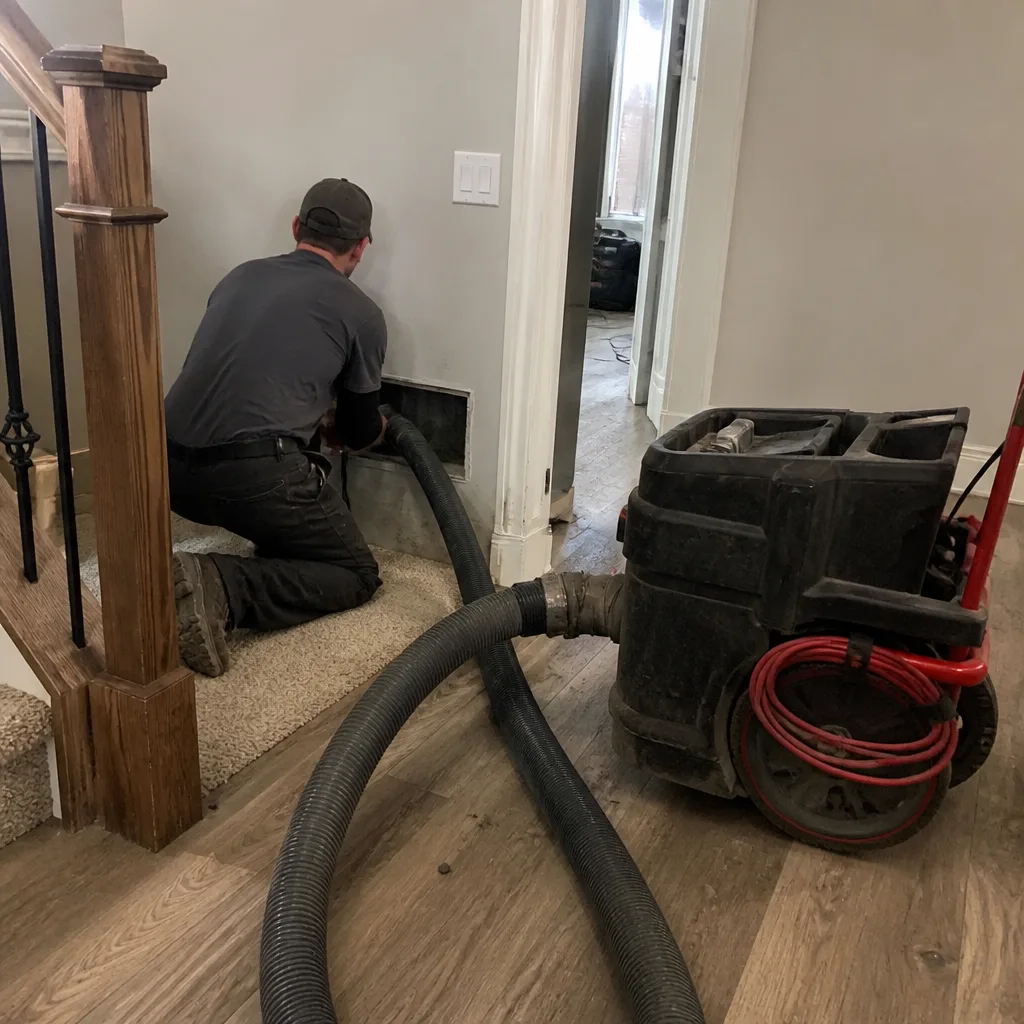 Before
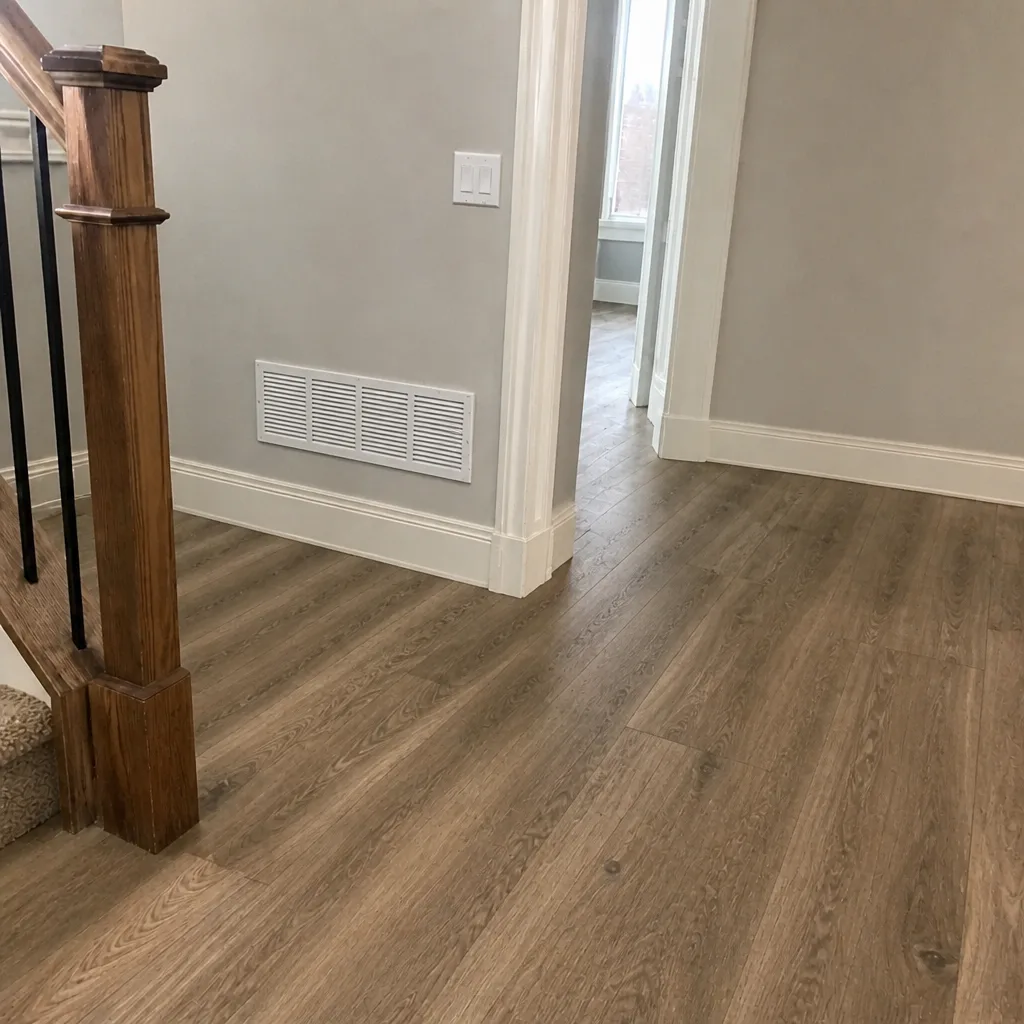 After
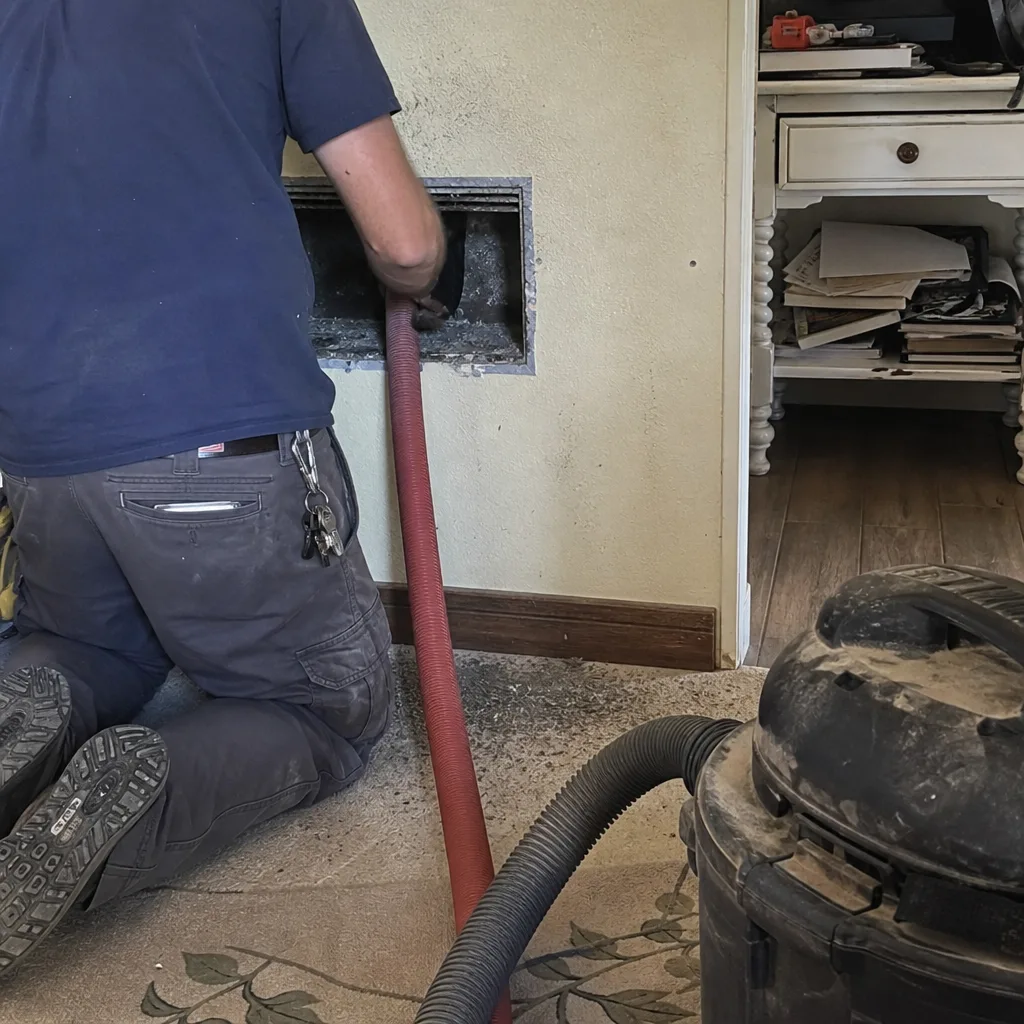 Before
 After
 Before
 After
When to Call a Professional
Duct cleaning isn’t a service you schedule on a calendar for everyone at the same frequency. The right time to call depends on what’s happening in your home. Call a specialist when you’ve recently finished a renovation or moved into a newly built Parker home and want to know what’s in the system; when you or someone in the household has persistent allergy or respiratory symptoms that worsen when the HVAC runs; when you’ve seen visible dust streaming from a supply register or found pest activity in the attic duct runs; when there’s visible microbial growth around a register or inside the air handler; when ducts feel disconnected or you can hear whistling at a joint; or when it’s simply been so long you don’t know the last cleaning date and want a documented baseline.
Parker Air Duct Cleaning Pros offers free estimates in Parker – call (877) 820-9183. We answer 24/7, and fast dispatch runs from 7am to 7pm, Sunday through Friday. If your call lands outside dispatch hours, we’ll book you into the next opening.
Frequently Asked Questions
Typical legitimate pricing in Parker in 2026 runs $350 to $700 for a standard 1,500 to 2,500 sq ft whole-house cleaning, and $600 to $900 for larger homes with multiple systems or complex layouts. The written estimate you receive before work starts sets the final price – nothing on it should change once the technician is in your home. Call (877) 820-9183 for an exact quote on your Parker home; estimates are free.
Because the cheaper quotes usually aren’t pricing the same job. An advertised $149 or $175 typically covers fewer vents than your home has, excludes the return side, and assumes “standard” conditions that most homes don’t meet – then the final invoice grows once the technician is inside. Comparing that $149 ad to a $550 flat estimate isn’t apples-to-apples; the honest $550 is often less than what the $149 offer actually costs by the end.
Ask for before-and-after photos of your own ducts – specific register boots, the air handler interior, and a section of trunk line. A company using rotary-brush extraction and HEPA-rated vacuum systems can show you a real difference; a company running a shop vac can’t. A flat per-system price plus photographic documentation of your actual system is the only proof that means anything. Call (877) 820-9183 if you want to see how we document a clean.
Most Parker homes don’t need annual cleaning. Every 3 to 5 years is a reasonable interval for a typical home with no special circumstances. Homes with pets, recent renovation, allergy sufferers, or a new-construction move-in often benefit from a cleaning on a shorter cycle. The right frequency depends on what’s in the system, not a universal calendar.
Often, yes, because of access and footage – not because of the story count itself. A two-story with an attic air handler and long flex runs takes more time under agitation than a comparable ranch, and a walkout basement sometimes has a second air handler that doubles the scope. Ask for the estimate to be based on your actual vent count and duct type; that’s the honest basis for the price, not a “two-story surcharge” bolted on afterward.
A fair whole-house cleaning includes agitation and extraction of every supply and return vent, the trunk lines, the air handler cabinet and blower compartment, plus negative-pressure containment during the work and before-and-after documentation. Sanitizing, coil cleaning, and dryer vent service are separate line items, and they should be quoted as such – never folded into the base price without a reason tied to your system.
The Bottom Line
Duct cleaning prices in Parker vary by a factor of four or more for the same square footage, and the gap almost never reflects quality the way homeowners assume it does. Legitimate pricing is built from vent count, linear footage, duct type, access, and equipment – and a fair flat quote for a whole-system job usually lands between $350 and $900 depending on the home. Anything advertised under $200 is a starting position, not a price. Get a written estimate, insist on a flat per-system cost, ask what equipment is coming into your home, and ask for before-and-after photos of your own system. That’s the full checklist, and it’s how you evaluate a $700 quote and a $175 quote on the same basis.
For a free estimate on your Parker home, reach out to Parker Air Duct Cleaning Pros today. We answer 24/7, fast dispatch runs from 7am to 7pm Sunday through Friday, and our technicians have up to 8 years of experience working with Rotobrush, Nikro, Abatement Technologies, and Honeywell and Aprilaire equipment. Call (877) 820-9183 – the written estimate sets the final price, and it won’t change once work starts.
Written by the team at Parker Air Duct Cleaning Pros.