
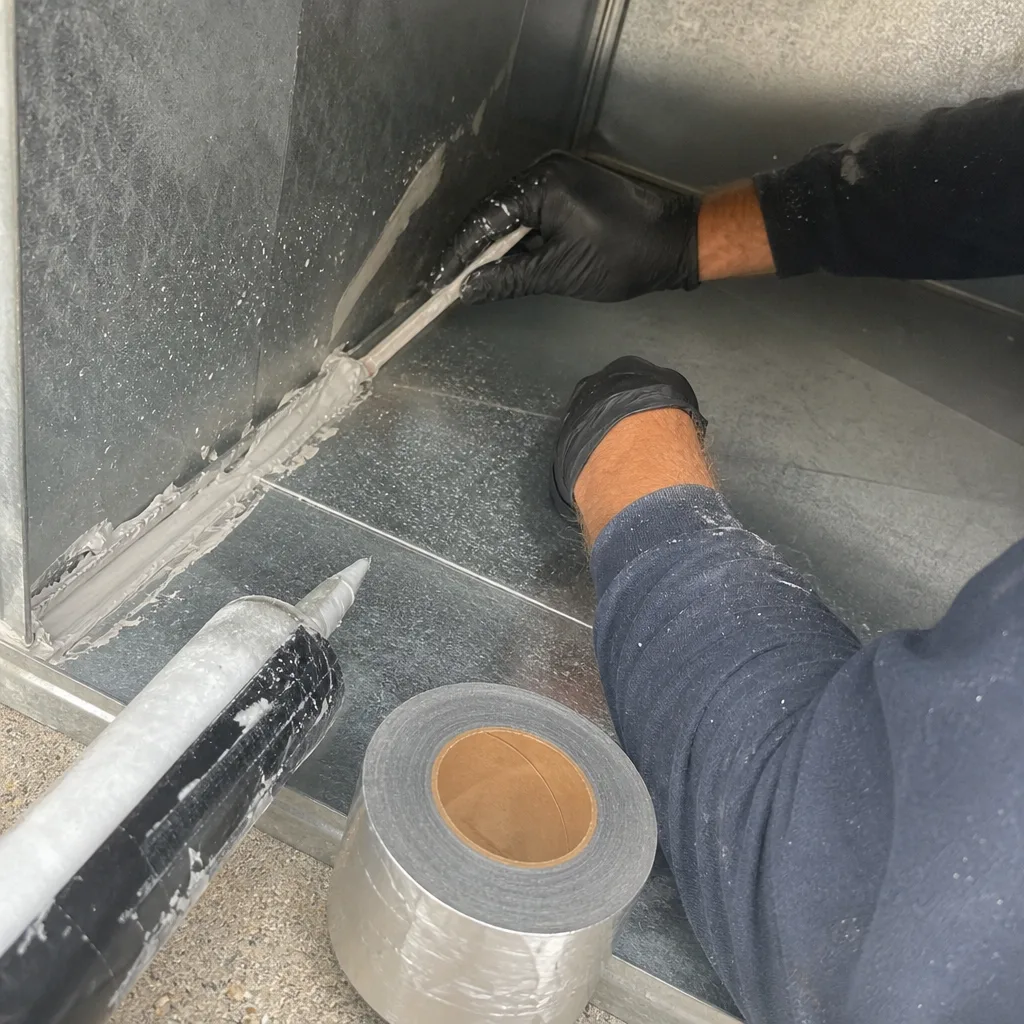
Last updated November 25, 2026
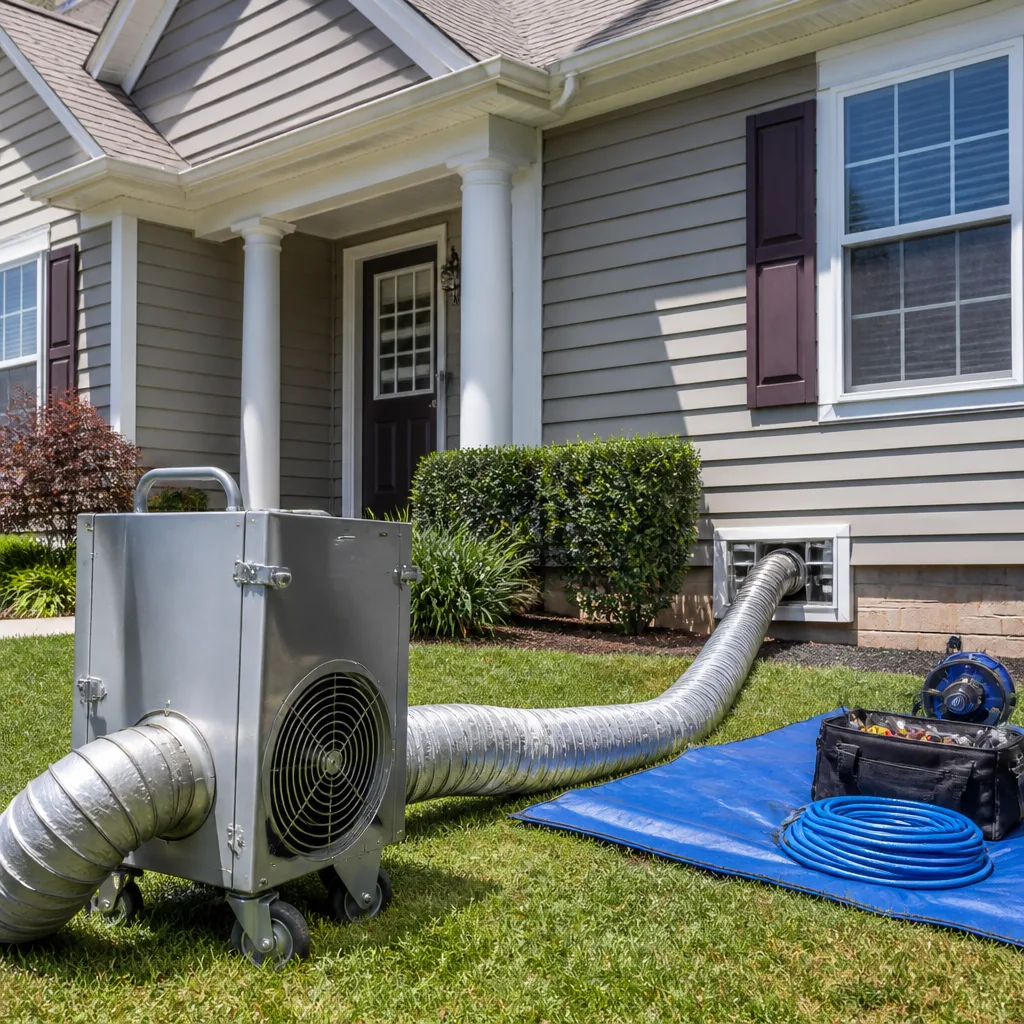 Whole-home duct cleaning
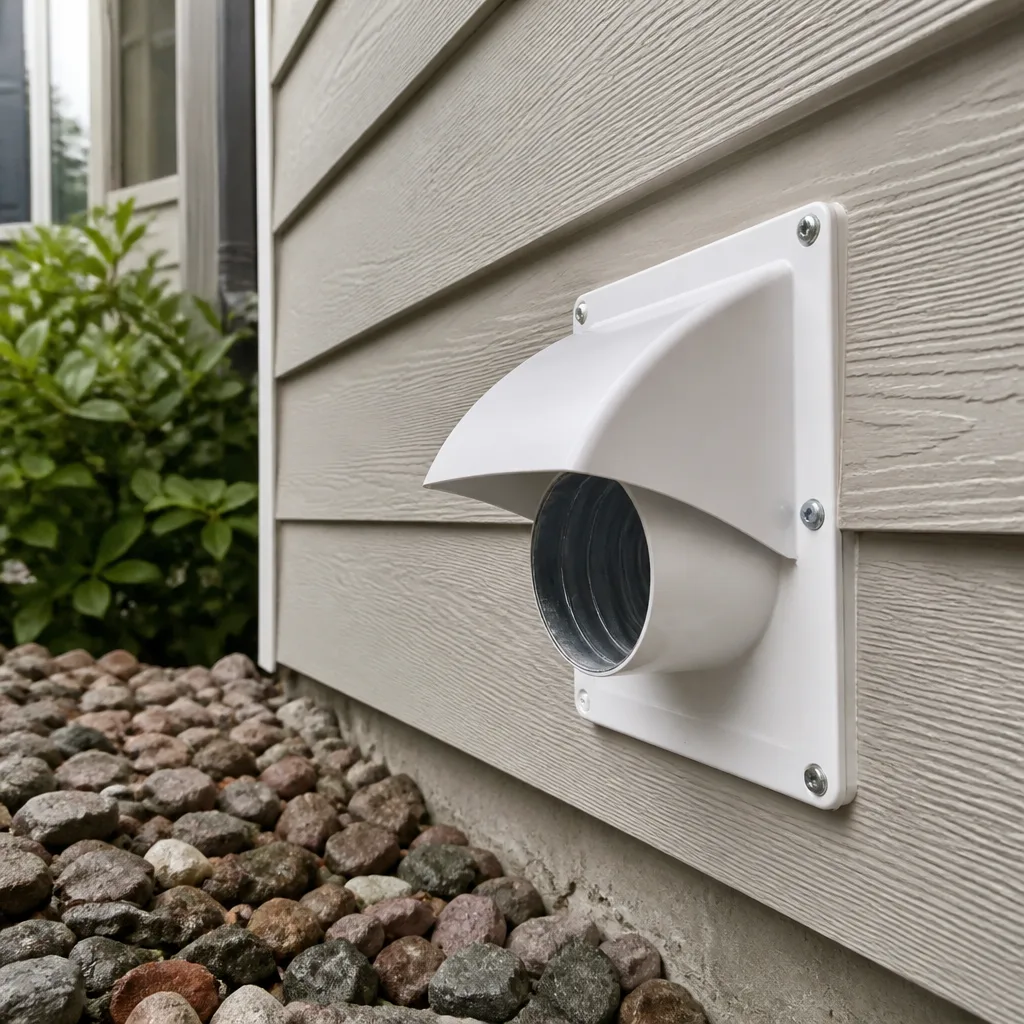 Dryer vent cleaning
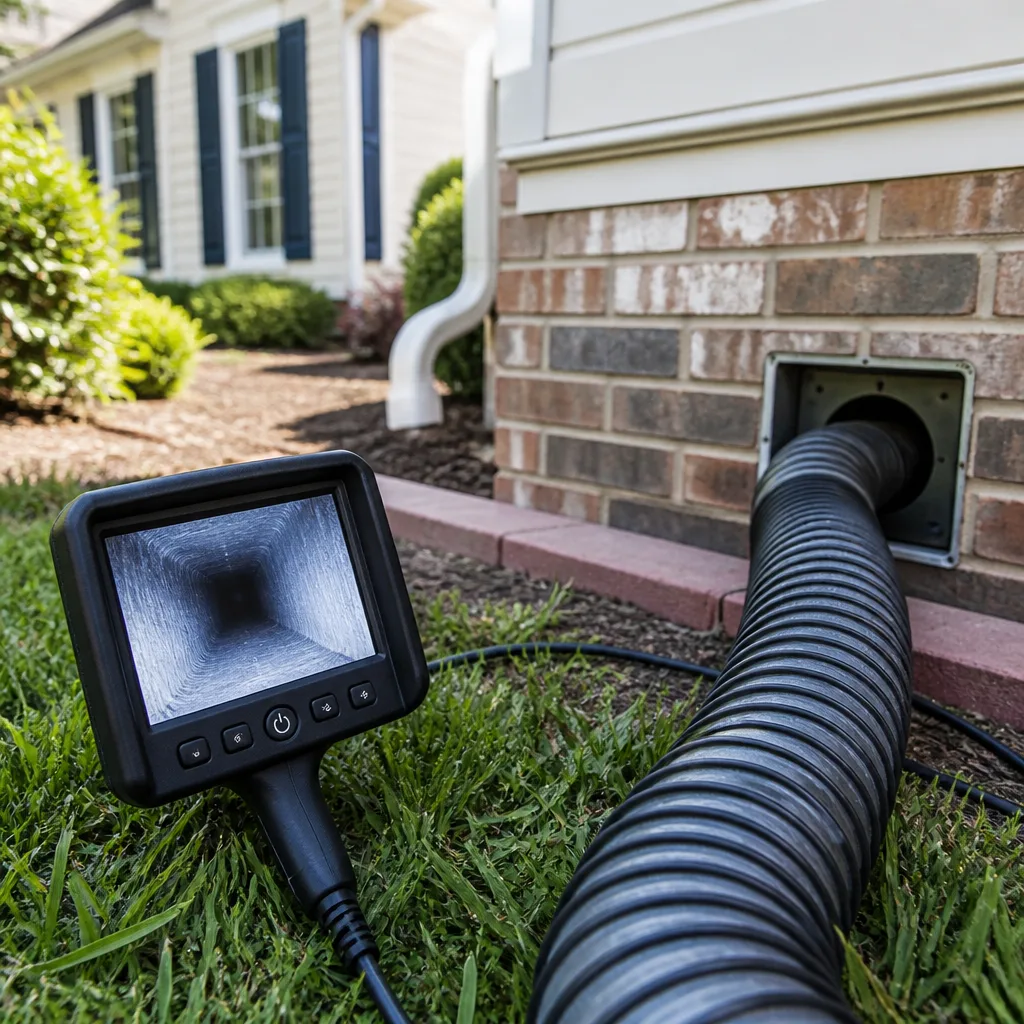 Camera inspection
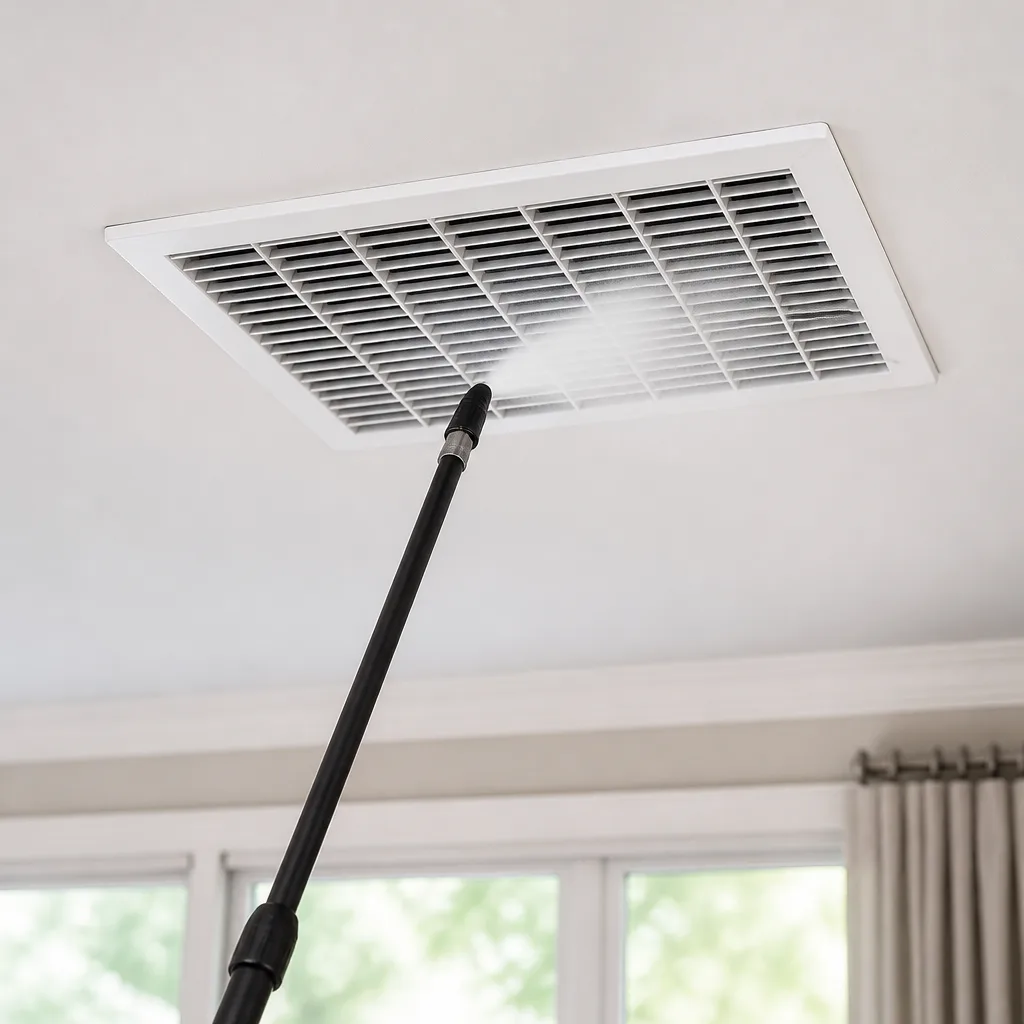 Sanitizing & deodorizing
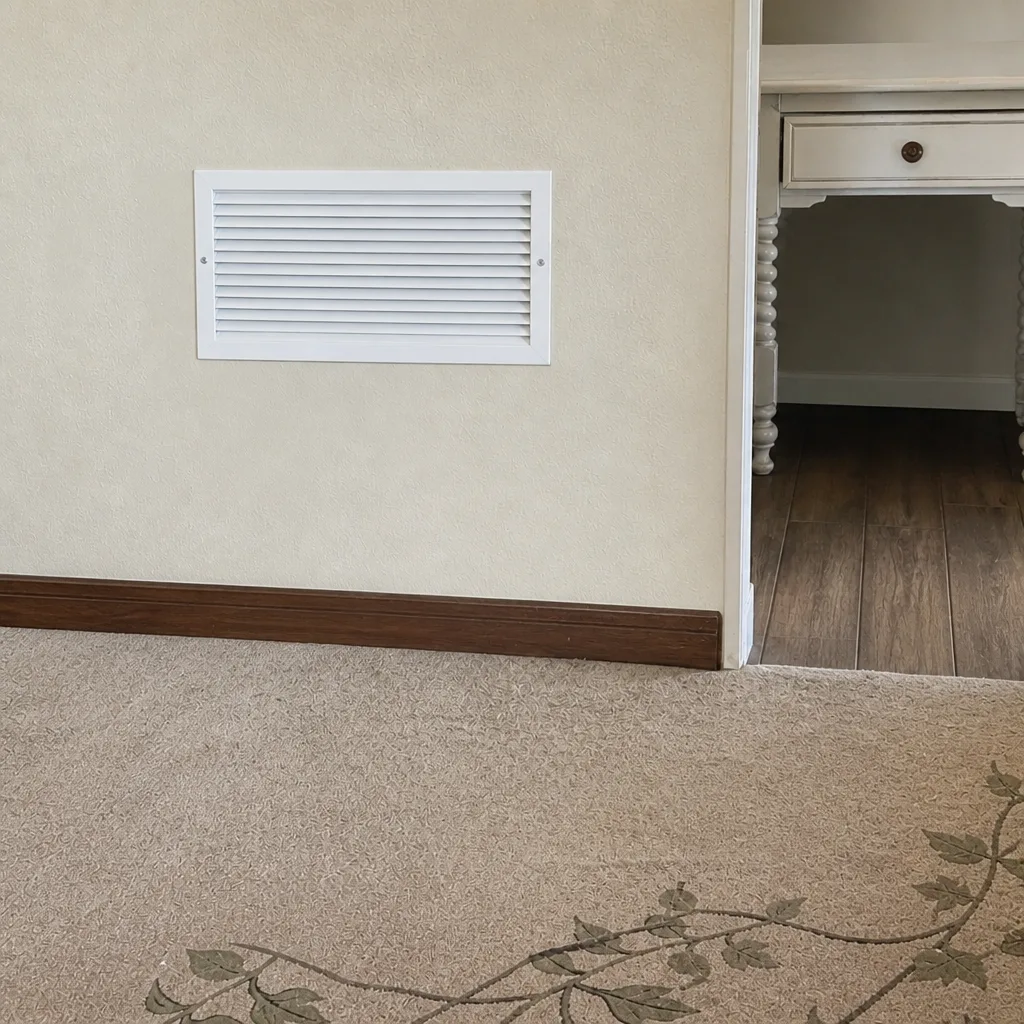
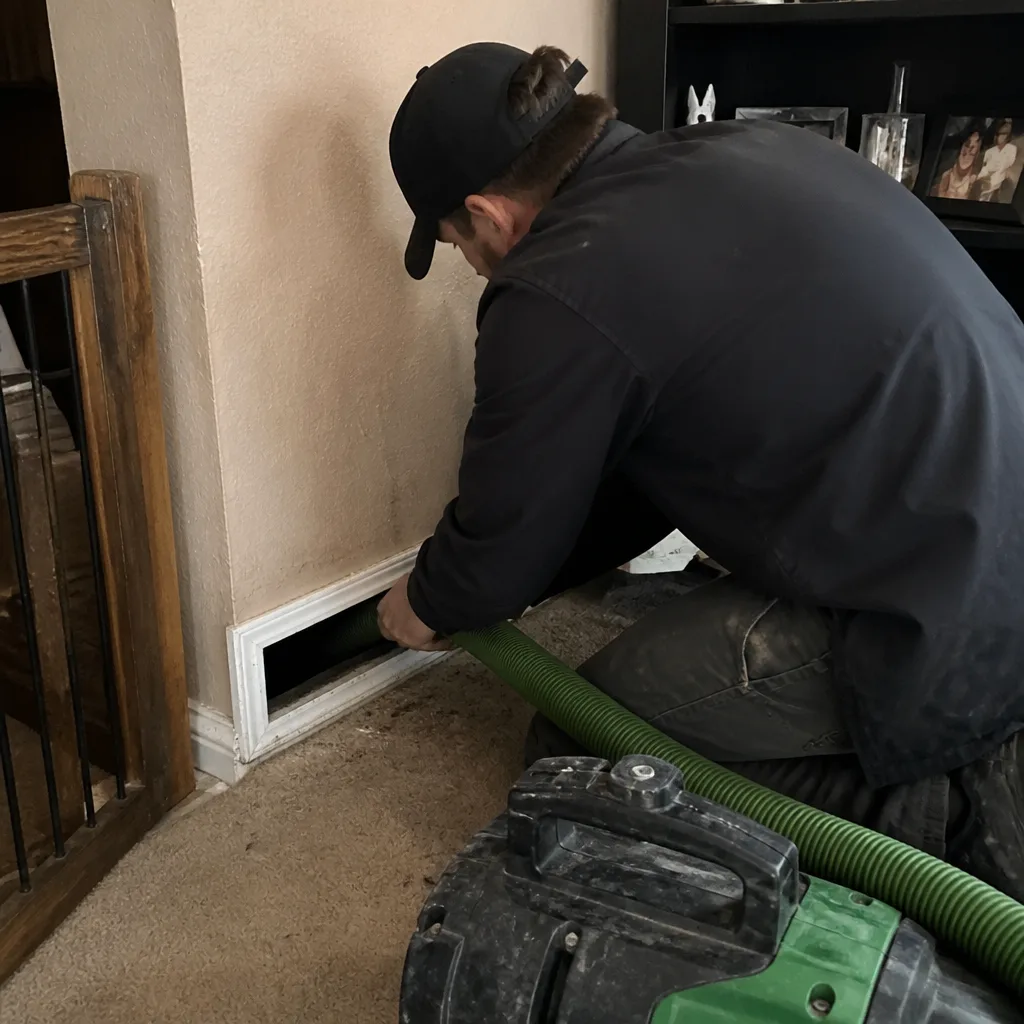
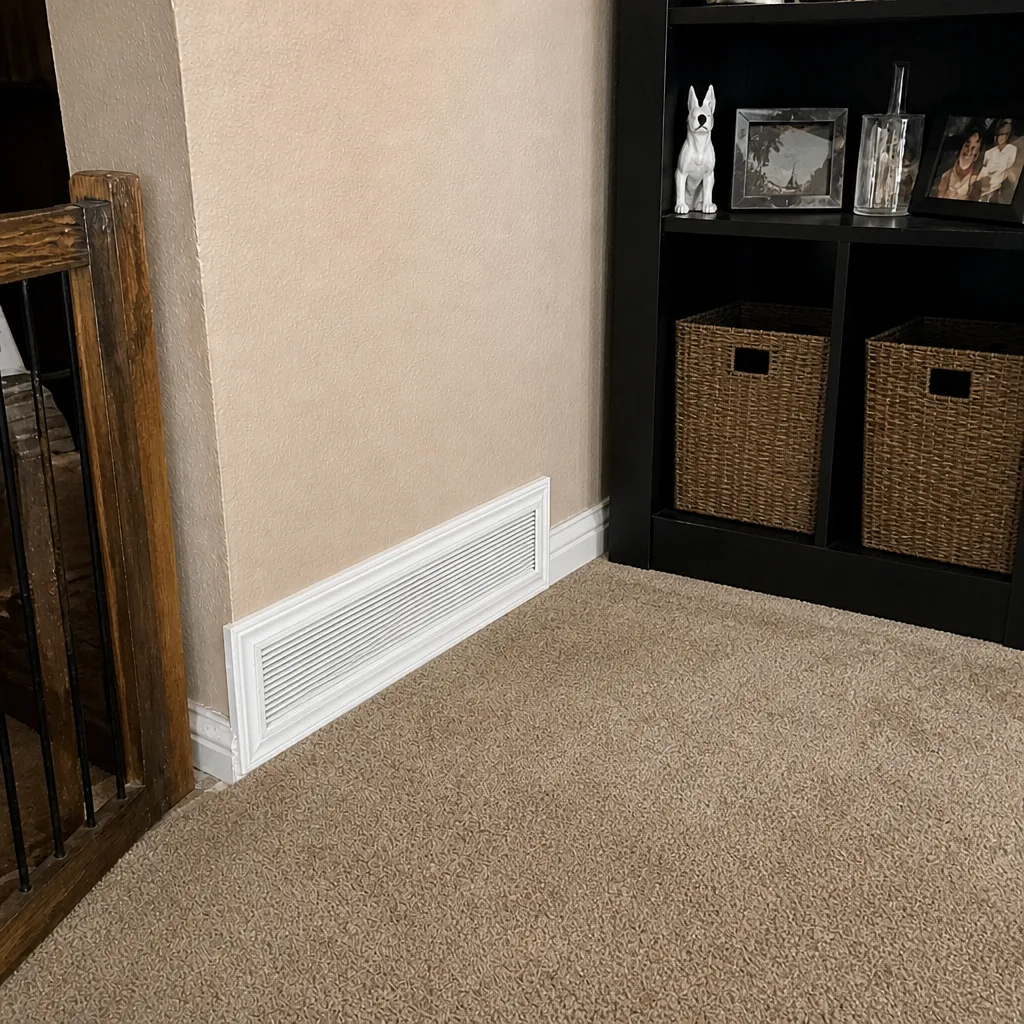
Whole-system duct and dryer vent check with before-and-after photos - you see exactly what came out of your vents
That "$99 whole-house special" is a bait ad - the real number appears once they are in your hallway, or the "clean" is a shop-vac at the register. We photograph the inside of your ducts before and after instead.
Air Duct Cleaning Permits, Codes & Inspections in Parker, CO: What You Need to Know
Most homeowners assume the answer is either “yes, you need a permit for everything” or “no, cleaning is just cleaning, nobody cares.” Both are wrong in different ways, and the confusion costs people money. Cleaning the inside of your ducts is a maintenance service and needs no permit in Parker, CO. But the inspection that usually comes first often turns up disconnected flex runs, crushed pipe, or a plenum sealed with duct tape and hope, and repairing those things is mechanical work that falls under permit rules. This guide draws the line clearly: what needs a permit, what doesn’t, what to do when you inherit someone else’s unpermitted work, and how duct condition gets documented when a house changes hands in Parker.
Quick Answer
Air duct cleaning in Parker, CO does not require a permit. Cleaning is maintenance, not construction, and no building department inspection is triggered by vacuuming and brushing a duct system. Duct repair, replacement, or modification does require a permit, because that work falls under the mechanical code Colorado has adopted, and Parker reviews it through the town’s building department. If a cleaning inspection finds disconnected or improperly sealed ductwork, the fix needs a permit; the clean itself does not.
Styles & brands we work with
- Whole-home duct cleaning
- Dryer vent cleaning
- Camera inspection
- Sanitizing & deodorizing
Table of Contents
- Cleaning vs. Repair: Where the Permit Line Actually Sits
- What Triggers an HVAC Permit in Parker Under the Mechanical Code
- You Found Unpermitted Duct Work From a Previous Owner. Now What?
- How Duct Condition Gets Documented in a Parker Real Estate Transaction
- When Duct Mold Crosses From Cleaning Into Remediation
- What a Duct Inspection Actually Involves
- How to Verify Permits and Inspections in Parker
- Why This Matters at Resale and for Insurance
Cleaning vs. Repair: Where the Permit Line Actually Sits
Here’s the distinction that clears up most of the confusion. A permit is about altering a building system. Cleaning doesn’t alter anything; it removes accumulated material from a system that stays exactly where it was. Repair or modification changes the system, and that’s when the town wants to see plans.
The practical test is simple. Ask whether the work changes the physical configuration of the duct system or restores it to the configuration it was permitted under.
- No permit needed: vacuuming and mechanically agitating duct interiors, removing debris from registers and boots, cleaning the air handler and coil surfaces, clearing a dryer vent run, sanitizing duct interiors after cleaning.
- Permit almost certainly required: replacing a section of rigid duct, reconnecting a disconnected flex run, replacing a plenum, adding or removing a supply or return, changing duct sizing, moving a register to a new location, replacing the furnace or air handler.
- Gray area, ask the town: sealing joints and seams on existing duct with mastic or approved tape. Surface sealing of accessible joints is usually treated as maintenance; anything that changes how the system is assembled is closer to repair.
In our experience running duct work in Parker, the gray-area job that catches people is reconnecting flex duct in an attic or crawlspace. It looks like a small fix, the tech does it in fifteen minutes, and nobody thinks about a permit. But it’s a modification to the mechanical system, and if it’s ever inspected during a sale, an unpermitted connection becomes a question the seller has to answer. That’s why it’s worth calling Parker’s building department before the work, not after.
What Triggers an HVAC Permit in Parker Under the Mechanical Code
Parker reviews mechanical work under the 2021 International Mechanical Code as adopted by Colorado, which is the model code most Front Range jurisdictions base their local amendments on. The core triggers are consistent: any installation, alteration, replacement, or repair of a mechanical system requires a permit unless the code lists an exemption. Duct work is part of the mechanical system, so duct modifications fall inside that language.
The triggers that come up most often for Parker homeowners:
- Replacing a furnace or air handler. A straight equipment swap requires a mechanical permit and an inspection.
- Adding or removing a supply or return register. Changing the number of outlets changes the system design and triggers review.
- Replacing duct runs or reconfiguring a trunk line. New duct work is permitted work.
- Reconnecting disconnected duct in an attic, crawlspace, or wall cavity. This is a repair to the mechanical system and typically needs a permit.
- Sealing or replacing a plenum. The plenum is the transition box at the air handler; replacing one is permitted work.
Cleaning is not on that list. Neither is dryer vent cleaning, which is maintenance on an appliance exhaust, though the vent itself has to meet code for length and material if it’s ever replaced. That last point matters: if a dryer vent run is found to be improperly installed, sloped wrong, or made of the wrong material, correcting it can be a code issue even though cleaning it never was. That’s one reason we treat dryer vent cleaning as a safety inspection as much as a cleaning job, because the vent is a fire path and the code cares about how it’s built.
One thing to keep straight: Parker’s own building department is the authority here. Colorado adopts model codes at the state level, but local jurisdictions amend and administer them. If you’re unsure whether your specific job triggers a permit, the building department is the call to make, and they answer that question clearly and for free.
You Found Unpermitted Duct Work From a Previous Owner. Now What?
This happens constantly in Parker, especially in homes built during the fast-growth years when production builders were moving quickly and some shortcuts got taken. A cleaning inspection pulls a register cover and finds flex duct joined with the wrong tape, an unsealed boot, or a run that was rerouted around a renovation without anyone pulling a permit. The current owner didn’t do it. They inherit it anyway.
Here’s how to handle it without panicking:
- Document what’s there. Photos of the connection, the tape used, and where the run goes. A camera run inside the duct is more useful than a description.
- Determine whether it’s a safety issue. Disconnected return duct pulling air from a crawlspace, a gas appliance flue sharing space with a return, or duct tape failing on a supply over a living space are the ones that move to the top of the list.
- Call Parker’s building department. Explain what you found and ask how they want it handled. Many jurisdictions have a path for correcting unpermitted work from a prior owner; the answer depends on what the work is and when it happened.
- Get the correction permitted if the town says so. A permit for a correction of existing unpermitted work is common and not a red flag. An inspection sign-off after the fact resolves the issue.
- Keep the paperwork. Permit number, inspection card, photos, and the invoice all go in the file you hand a buyer later.
What you shouldn’t do is have a contractor quietly fix it and skip the permit to save time. That preserves the exact problem you inherited: a system with no paper trail. The whole point of correcting unpermitted work is to get the record straight, and that means going through the process.
How Duct Condition Gets Documented in a Parker Real Estate Transaction
Duct condition isn’t part of a standard home inspection in most cases, but it comes up in Parker transactions more than sellers expect. A general inspector will note visible duct issues, disconnected flex, crushed runs, or a dryer vent that terminates in the wrong place. When a buyer’s inspector flags something, the buyer’s agent usually asks for documentation from a duct specialist.
The documentation buyers want to see:
- Before-and-after photos of the duct interiors, not just a written statement that cleaning happened.
- Camera footage of the main trunk and any runs flagged during inspection.
- A written summary of what was found, what was cleaned, and what was recommended for repair.
- Permit records for any duct repair or replacement that happened during ownership.
For sellers, this cuts both ways. If you’ve had air duct cleaning done and you have the photos, that’s a clean answer to a buyer’s question. If you have unpermitted duct repair from years ago, better to know now and correct it than to have it discovered during the buyer’s inspection window.
Property managers in Parker run into the same thing on turnover. A new tenant with allergies asks what’s in the ducts, and the manager needs a documented answer. That’s a different use case than a sale, but the documentation is the same: photos, a written summary, and a record of what was actually done.
When Duct Mold Crosses From Cleaning Into Remediation
This is the part of the guide that surprises people, and it’s the part that matters most for anyone with an actual mold concern rather than a general “maybe it’s time for a cleaning” question.
Light surface growth on a duct interior that’s been caused by high humidity or a condensate issue is often addressed as part of cleaning and sanitizing. But once the growth is substantial, or once there’s an active moisture source feeding it, the job shifts from cleaning into mold remediation, and remediation is a different discipline with its own protocols. That’s a real distinction, not a sales upsell.
The differences that matter:
- Containment. Remediation work happens under negative pressure so spores don’t spread into living space during the work. This is where equipment choices show up: we use Abatement Technologies air-filtration units for exactly this reason, because a containment-first approach is the standard the remediation trade works under.
- Source correction. Cleaning mold without finding and fixing the moisture feeding it is pointless. A condensate leak, an unsealed crawlspace, or a bathroom exhaust venting into the attic all have to be addressed.
- Verification. Remediation jobs typically end with some form of clearance check, whether visual or through sampling. A cleaning job doesn’t.
- Documentation. Remediation produces a written scope and a record that a buyer or tenant may ask to see.
In Parker, the crawlspace humidity that feeds this problem is seasonal. A wet spring pushes moisture up through a vented crawlspace, and by summer the return duct pulling from that space is moving humid air across cold coil surfaces. If you’ve had a persistent musty smell that comes back after cleaning, that’s the signal to look for the moisture source rather than booking another cleaning.
What a Duct Inspection Actually Involves
An inspection is a step, not a sales pitch. It happens before cleaning, it produces findings, and those findings drive what comes next. Here’s what a proper one looks like.
- Walk the system. Locate the air handler, the return trunk, and every supply run that’s accessible. Note where duct passes through unconditioned space.
- Camera the main trunk. A camera run through the trunk line shows the interior condition, the amount and type of debris, and any visible moisture or growth.
- Pull accessible registers. Check boots, connections, and the duct immediately behind each register. This is where disconnected flex and failing tape show up.
- Inspect the air handler and coil. A dirty coil is often the real source of the dust a homeowner is seeing at the registers.
- Check the dryer vent separately. It’s a distinct system with its own fire-safety code requirements.
- Write it up. Findings, photos, and recommendations, with the permit-required items clearly separated from the maintenance items.
The separation in that last step is the whole point. A homeowner should leave an inspection knowing which findings are cleaning items, which are repair items, and which of those repair items trigger a permit. When we do an HVAC cleaning job, the inspection findings come before any cleaning begins, so the homeowner knows what they’re dealing with before work starts, and the price is set per job by the written estimate.
How to Verify Permits and Inspections in Parker
Parker’s building department maintains permit records for mechanical work, and homeowners can request them. If you’re buying a home and want to know whether the duct work was permitted, that’s the source. If you’re selling, pulling the records yourself before a buyer asks is the easier path.
What to ask for:
- The permit history for the address, filtered to mechanical permits.
- The inspection card for any mechanical permit, showing final inspection status.
- Closure status on any open permits. Open permits become a problem at closing.
A permit that’s been pulled but never inspected is worth as little as no permit at all. Final inspection status is what matters. That’s also what any future contractor will check before they touch the system, because working on a system with an open permit creates its own complications.
Why This Matters at Resale and for Insurance
Two things drive the practical importance of getting this right. The first is resale. An unpermitted mechanical alteration can surface during a buyer’s inspection, and the remedy is time and paperwork at the worst possible moment in a transaction. Getting the permit at the time of the work costs a fraction of what a delay costs during a sale.
The second is insurance. Many homeowners policies contain language about unpermitted work, and whether a claim is covered can hinge on whether the work was done to code and inspected. This isn’t a scare tactic; it’s a reason to treat permits as part of the job rather than paperwork to avoid.
There’s also the plain-air-quality reason. Duct systems are only as good as their connections. A disconnected return pulling from a crawlspace isn’t just a permit issue, it’s a source of everything in that crawlspace entering the living space. Fixing it properly, with a permit and an inspection, is a better outcome than fixing it quietly.
Common Mistakes to Avoid
- Skipping a permit on a flex reconnect in the attic. It looks like a small job and feels like it doesn’t need paperwork. Reconnecting duct is a mechanical alteration, and the inspection record is worth more than the permit fee.
- Assuming the cleaning covers the repair. Cleaning and repair are separate line items with separate permit requirements. A quote that folds them together without separating them makes it impossible to know what was permitted.
- Treating the home inspector’s duct note as a full inspection. A general inspector flags visible problems. Duct interior condition and connection integrity need a specialist with a camera.
- Ignoring the moisture source. In Parker’s climate, a wet crawlspace feeding a return duct is the root cause behind a lot of “we cleaned it and the smell came back” complaints. Cleaning without fixing the moisture is temporary.
- Relying on a verbal scope. Homeowners get caught when the repair scope is verbal and the permit is never pulled. Get the scope in writing, with the permit-required items called out.
- Assuming the seller handled it. In a fast-growth metro like Parker, homes change hands and work gets done informally. Verify the permit history rather than assuming it.
- Handling visible mold growth as a cleaning job. When the growth is substantial or there’s an active moisture source, remediation protocols apply and the scope is different.
See the difference between a documented inspection and an undocumented one before you buy a home in Parker, before you sell, or before you hire anyone to touch the system. Documentation is the deliverable. We use professional-grade equipment, not improvised tools, and every job gets before-and-after photos of the customer’s own ducts so there’s a record of what was found and what was done, which is what the next inspector, buyer, or insurer will want to see.
See the difference
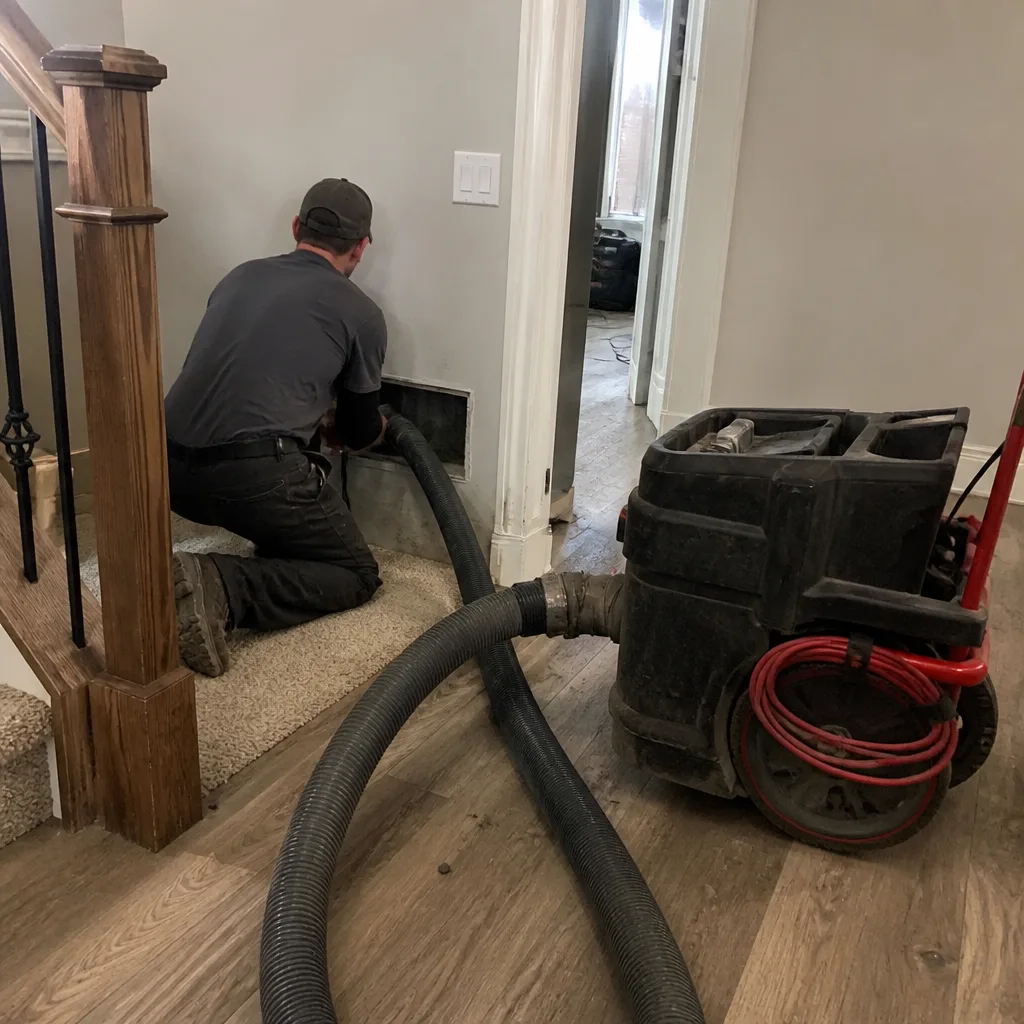 Before
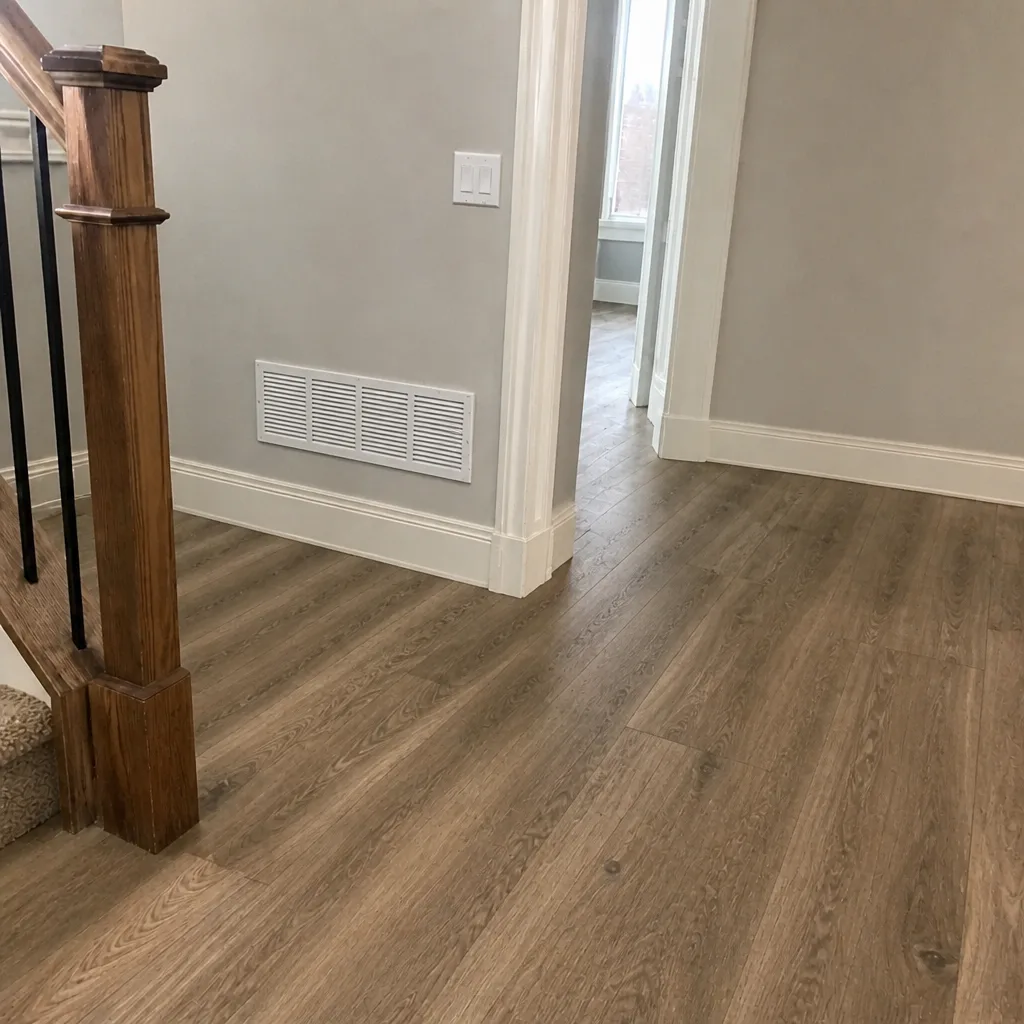 After
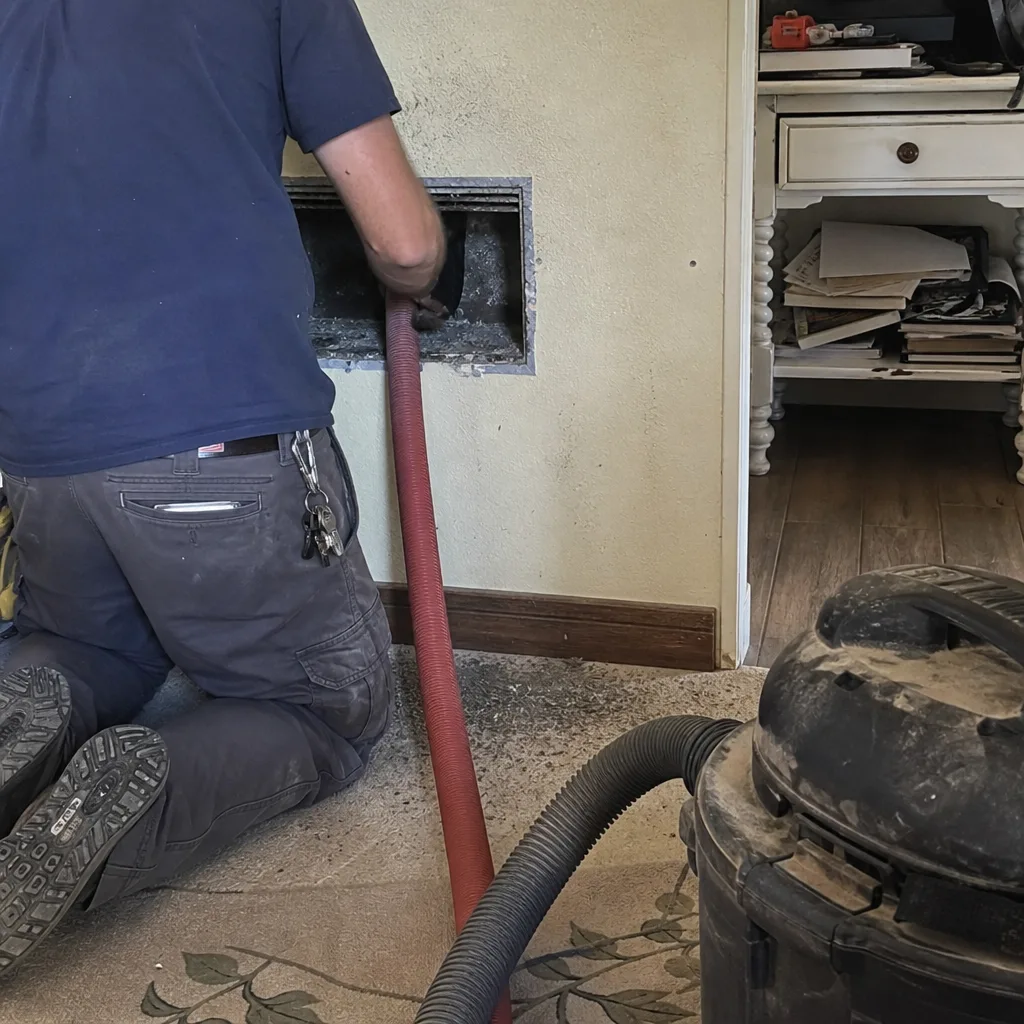 Before
 After
 Before
 After
When to Call a Professional
Some things are worth a phone call rather than a weekend project. Call a professional when an inspection turns up disconnected duct in an attic or crawlspace, when a duct run passes through a wall cavity you can’t safely access, when a dryer vent is found to be routed wrong or made of the wrong material, when a musty smell returns after cleaning, or when you’ve bought a Parker home and don’t have the mechanical permit history. Duct repair in an unconditioned space involves working around insulation, electrical, and sometimes gas appliances, and those aren’t places for improvised solutions. Our technicians have up to 8 years of experience and can work with your insurer on documentation if a claim is involved. Parker Air Duct Cleaning Pros offers free estimates in Parker. Call (877) 820-9183. We answer 24/7. Fast dispatch from 7am to 7pm, Sunday through Friday.
Frequently Asked Questions
No. Air duct cleaning is maintenance and does not require a permit in Parker, CO. Cleaning removes accumulated material without altering the mechanical system. Duct repair or modification does require a permit, and that’s a separate scope of work from the clean itself. Call (877) 820-9183 for a free estimate if you’re unsure which category your job falls into.
Cleaning removes debris from a system that stays where it is. Repair changes or restores the configuration of the system: reconnecting a disconnected run, replacing a section of duct, replacing a plenum, or changing duct sizing. The configuration change is what triggers the permit. If a cleaning inspection finds one of those repair items, the permit question applies to the repair, not the cleaning.
Document what’s there, determine whether it’s a safety issue, and call Parker’s building department to ask how they want it handled. Most jurisdictions have a path for correcting prior unpermitted work. Correcting it with a permit and a final inspection resolves the issue and gives you the paperwork a buyer will want. Skipping the permit to save time just passes the problem along. Call (877) 820-9183 to have the system documented before you talk to the town.
Sometimes, yes. Light surface growth from humidity can often be addressed as part of cleaning and sanitizing. Substantial growth, or growth fed by an active moisture source, is mold remediation rather than cleaning, and remediation protocol calls for containment under negative pressure and verification of clearance. We use Abatement Technologies air-filtration units for containment on jobs that call for it.
Request the mechanical permit history for the address from Parker’s building department and confirm final inspection status on each one. A permit that was pulled but never inspected is as much of a problem as no permit at all. Buyers should request this during the inspection window, and sellers should pull it before listing.
Pricing is per job by written estimate, and the estimate sets the final price. Whole-system clearing on a typical Parker home runs in a range based on the number of runs, the number of systems, accessibility, and how much repair or sealing is needed. Some quotes that look much cheaper are per-vent pricing that grows once work starts, which is exactly the bait-and-switch homeowners are wary of. Ask for a flat price per system before work starts and before-and-after photos of your own ducts. Call (877) 820-9183 for an exact quote; estimates are free.
The Bottom Line
Cleaning your ducts in Parker is maintenance and doesn’t need a permit. Repairing or modifying them does, under the mechanical code Parker enforces through the town’s building department. The line between the two is whether the work changes the configuration of the mechanical system. Document everything: inspection findings, photos, camera footage, permit records. That documentation is what a buyer, an insurer, or the next contractor will need. If a cleaning inspection turns up disconnected duct, unpermitted work from a prior owner, or a moisture problem feeding mold, treat it as a repair job with a permit rather than a cleaning job without one.
Our technicians have up to 8 years of experience with professional-grade equipment from Nikro and Honeywell, and every job gets documented before-and-after results. Call (877) 820-9183. We answer 24/7. Fast dispatch from 7am to 7pm, Sunday through Friday. Parker Air Duct Cleaning Pros connects you with independent local professionals, and the written estimate sets the final price.
Written by the team at Parker Air Duct Cleaning Pros.