
Last updated November 25, 2026
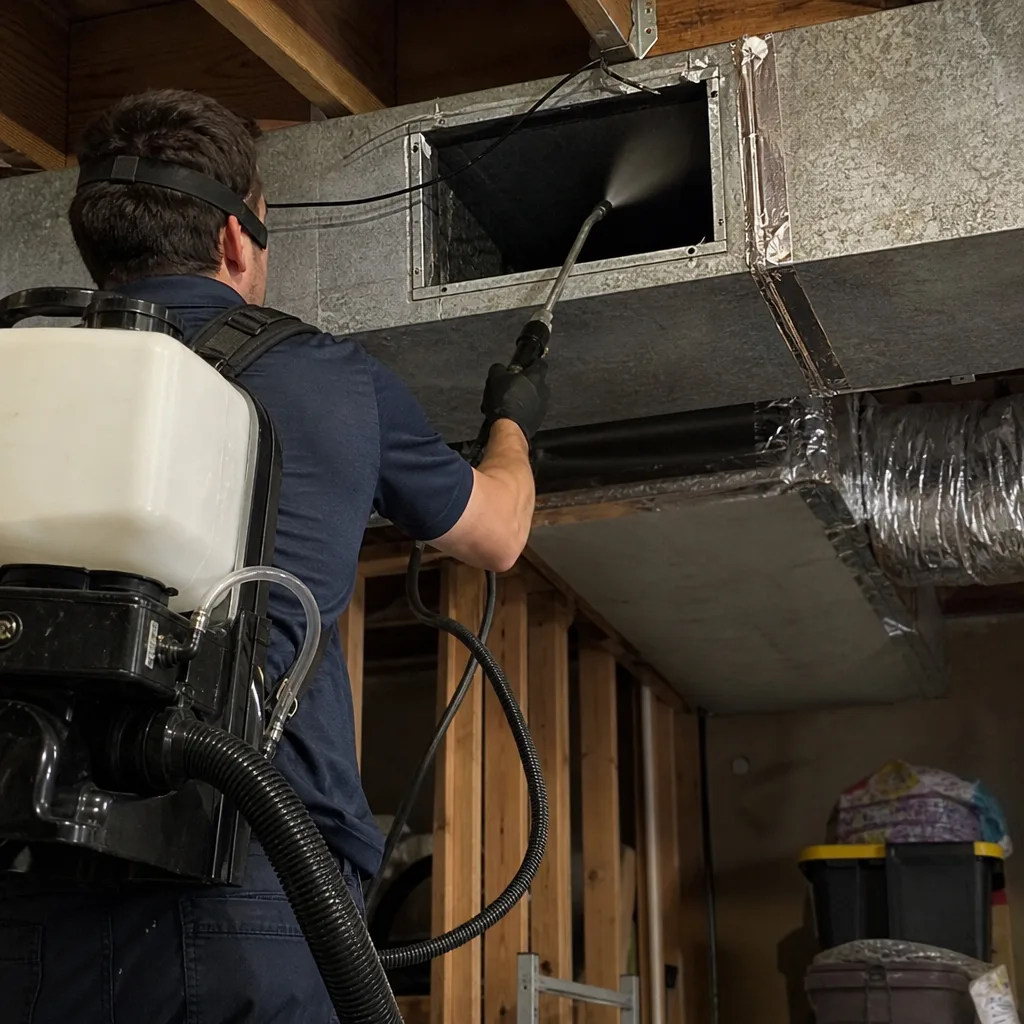
 Whole-home duct cleaning
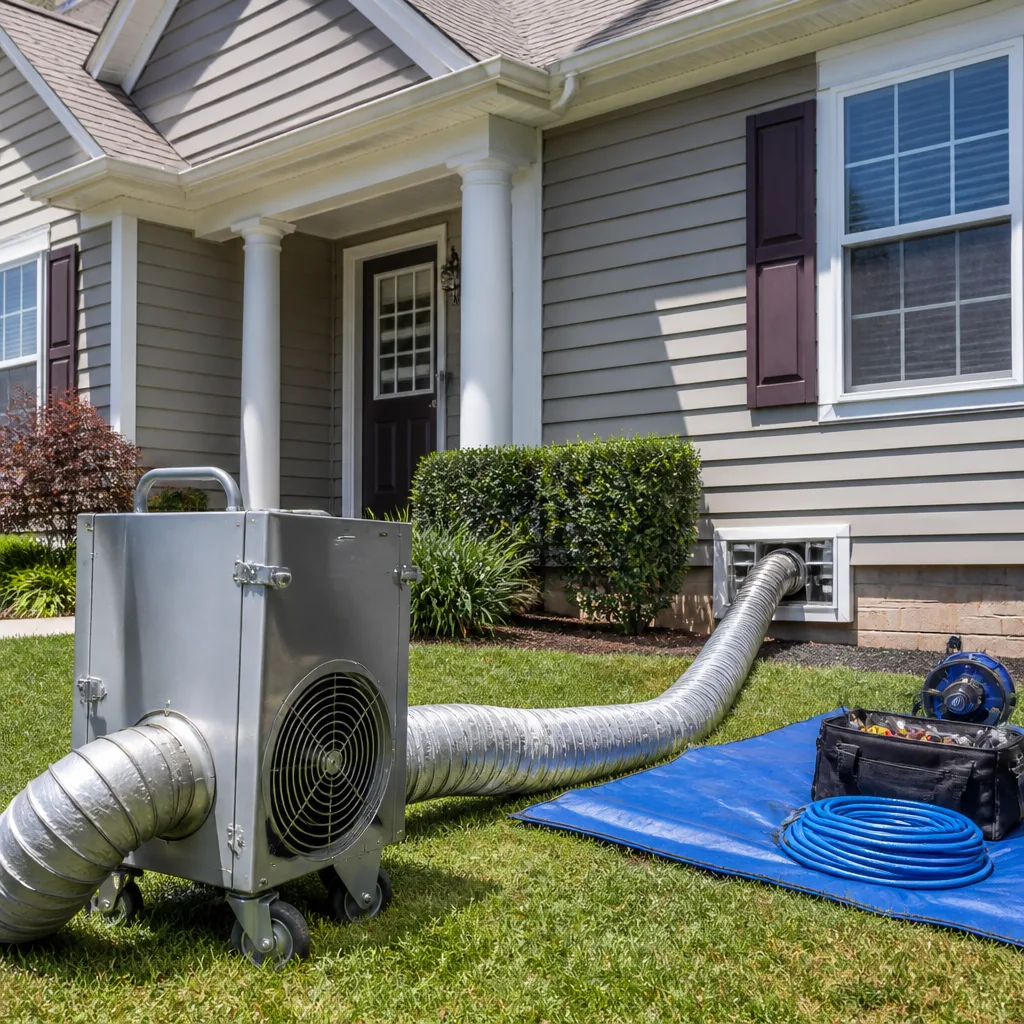
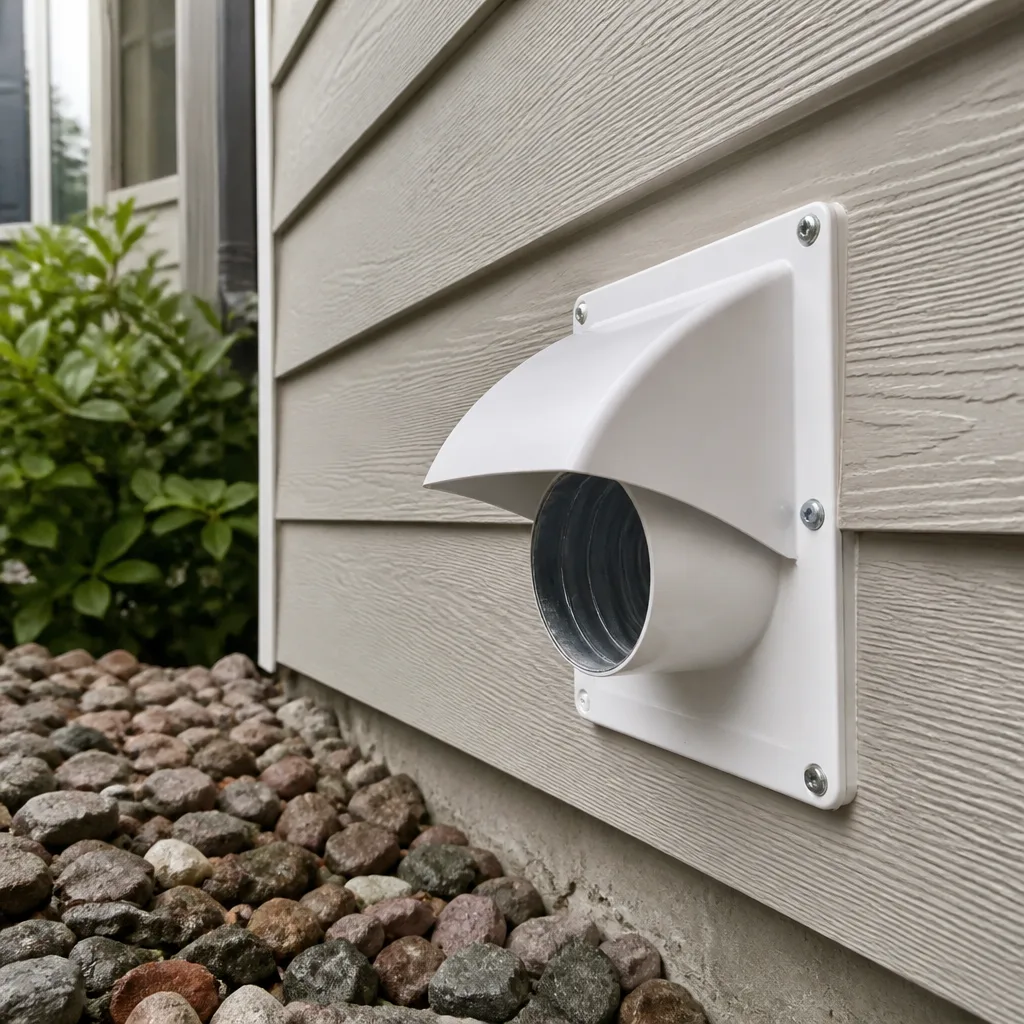 Dryer vent cleaning
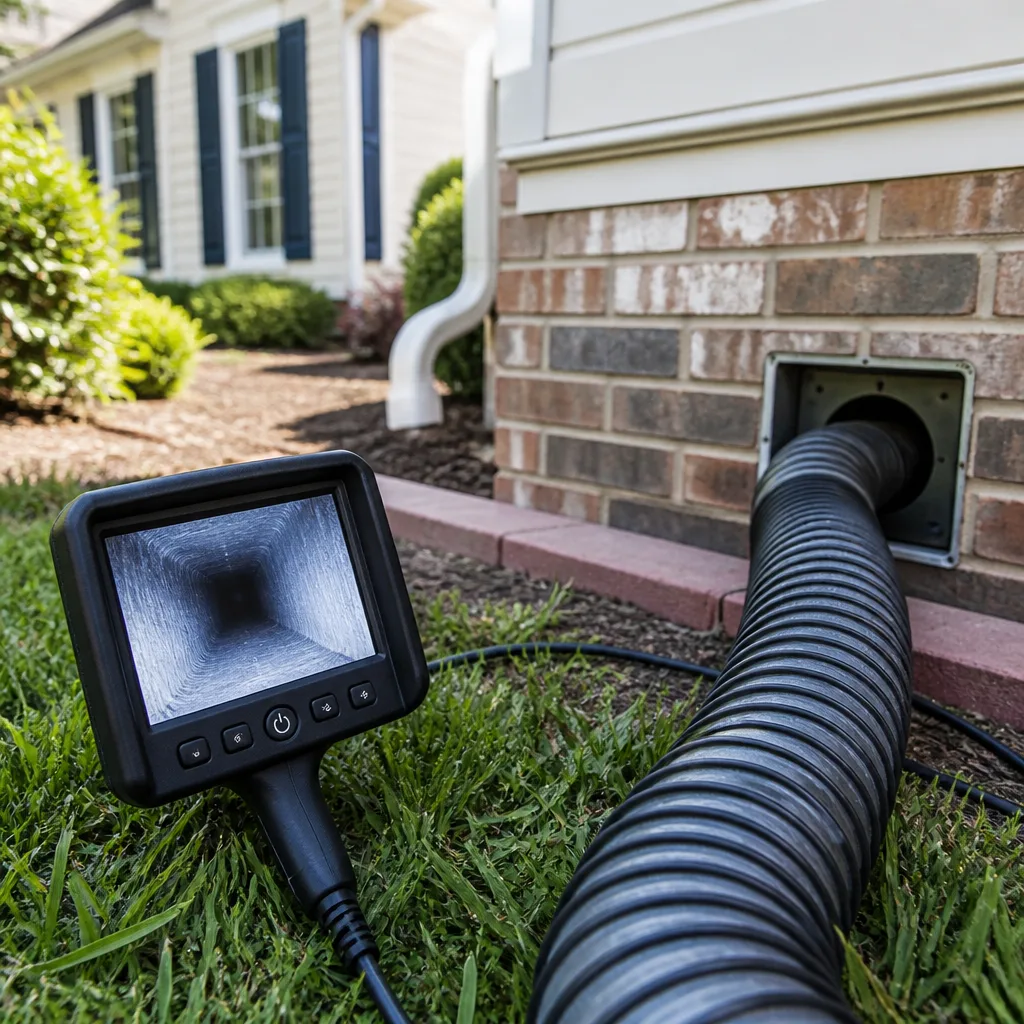 Camera inspection
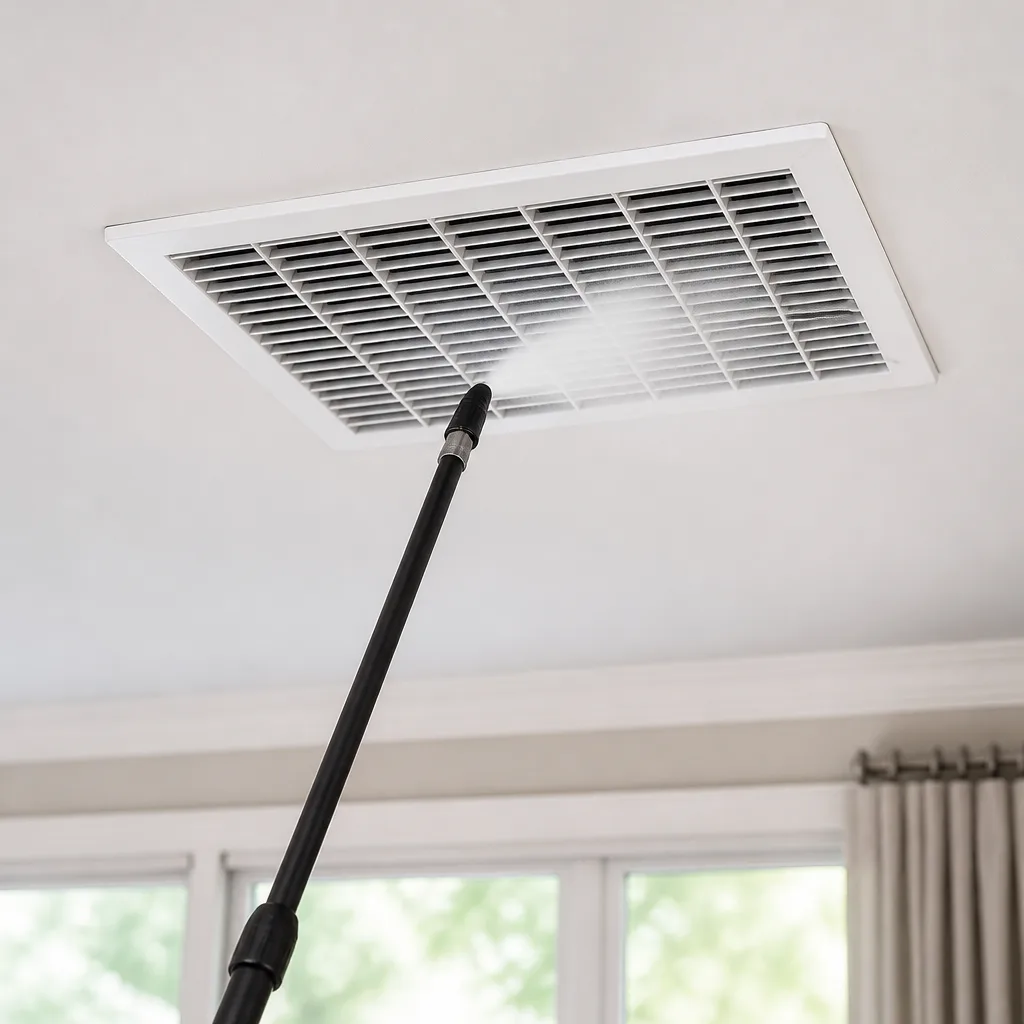 Sanitizing & deodorizing
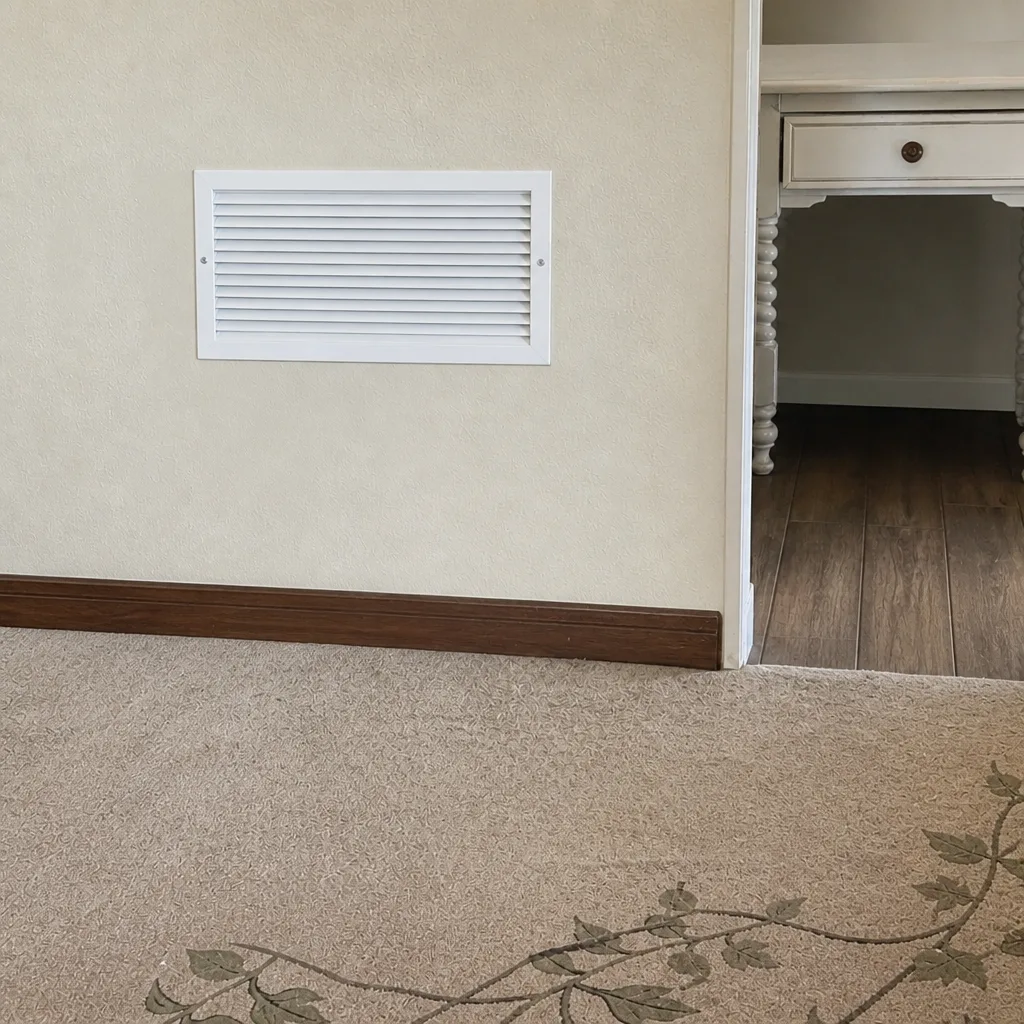
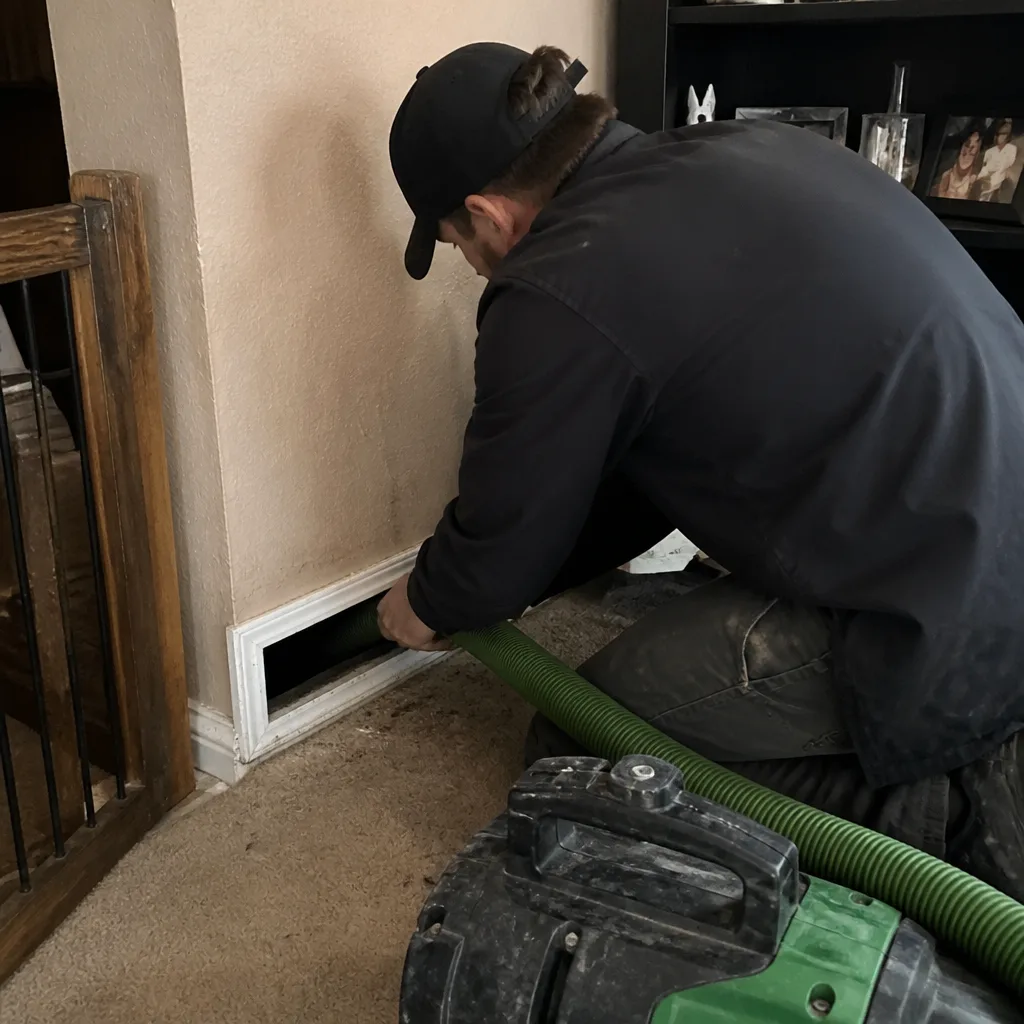
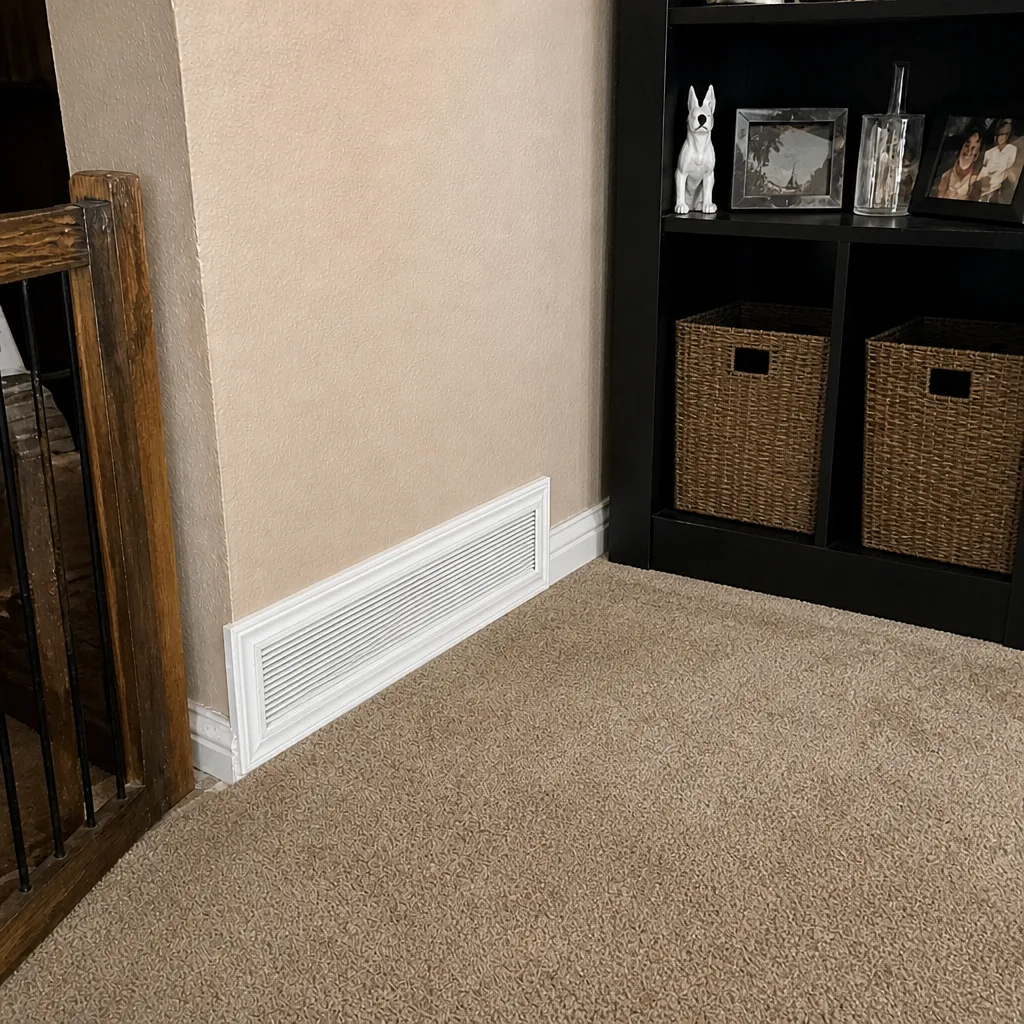
Whole-system duct and dryer vent check with before-and-after photos - you see exactly what came out of your vents
That "$99 whole-house special" is a bait ad - the real number appears once they are in your hallway, or the "clean" is a shop-vac at the register. We photograph the inside of your ducts before and after instead.
How to Hire an Air Duct Cleaning Contractor in Parker: A Step-by-Step Guide
Colorado doesn’t require a dedicated license to clean air ducts. That single fact changes how you should hire. The company that shows up at your door in Parker could be a veteran specialist who has spent years inside residential HVAC systems, or someone who bought a portable blower last month and printed a logo on a truck. The invoice looks the same either way. No certificate on the page will tell you which one you’re getting, so the hiring process itself becomes your only quality filter. Most guides stop at “check reviews” and call it advice. That’s not enough. In this guide you’ll learn the specific, verifiable criteria that separate real duct-cleaning specialists from generalists who added ducts to a longer menu. We’ll cover equipment questions, scope-of-work documents, post-cleaning reports, and the red flags that show up in the Parker market specifically.
Quick Answer
Hiring an air duct cleaning contractor in Parker means verifying four things before anyone touches your ductwork: whether they follow the NADCA ACR standard, what equipment they actually use (Rotobrush-style rotary tools and HEPA-rated extraction, not a shop vac), whether they’ll put a written scope of work in front of you before cleaning starts, and whether they’ll provide post-cleaning documentation. The lowest quote is almost never the best one, and a whole-house clean priced under $150 is a red flag rather than a bargain. Ask for the specifics in writing, confirm the equipment, and get before-and-after documentation as part of the job.
Styles & brands we work with
- Whole-home duct cleaning
- Dryer vent cleaning
- Camera inspection
- Sanitizing & deodorizing
Table of Contents
- Why Colorado’s Licensing Gap Makes Hiring the Whole Game
- How to Verify NADCA Membership and ACR Standard Compliance
- The Equipment Questions That Actually Separate Specialists
- Red Flags Specific to the Parker Market
- How to Structure a Written Scope of Work
- What a Legitimate Post-Cleaning Report Should Contain
- The Six-Step Hiring Process
- Common Mistakes to Avoid
Why Colorado’s Licensing Gap Makes Hiring the Whole Game
Colorado does not issue a dedicated license for air duct cleaning. A general contractor’s license doesn’t cover it, an HVAC license technically covers system work but not the cleaning discipline itself, and no state exam tests whether a technician knows how to run a rotary brush without damaging flex duct. Compare that to electrical or plumbing work, where the state sets minimum training and testing. Duct cleaning has none of that as a discipline, which is why the quality range across contractors is so wide.
What this means practically: when you hire in Parker, you’re not selecting a licensed professional from a filtered list. You’re doing the filtering yourself. The contractor’s own claims about credentials are the only input, so you have to know which credentials mean something. A business license from the City of Parker tells you they registered to operate, not that they know what they’re doing. A certificate that says “certified duct cleaning technician” tells you they took a course, but not which one or what it required.
The place to start is the national body that actually publishes a standard for this work. NADCA, the National Air Duct Cleaners Association, publishes the ACR standard, which stands for Assessment, Cleaning, and Restoration. ACR is the process standard most legitimate contractors work to, and it’s what we align our process with on every Parker job. A contractor who has never heard of ACR is either new to the trade or has been working without a benchmark. Either way, you’ve learned something useful before they’ve even quoted a price.
We aren’t saying a license would solve everything. Plenty of licensed trades do shoddy work. But when there’s no license, the burden of proof shifts entirely to the contractor’s process, equipment, and documentation. Everything else in this guide follows from that reality.
How to Verify NADCA Membership and ACR Standard Compliance
NADCA membership is a real signal, but it isn’t a guarantee. It’s worth understanding what it actually means before you treat it as a deciding factor.
NADCA is the trade association that publishes the ACR standard and produces the training programs most serious duct-cleaning technicians complete. Membership at the company level requires some commitment to the standard and access to NADCA training materials, and it typically requires maintaining certain business practices. What membership does not do is inspect the contractor’s trucks, audit a job site, or verify that every technician on staff has completed training. A company can be a member while a newer technician on the crew has only a few months on the job.
What to ask, exactly:
- Are you a NADCA member currently, and can you show me the current listing?
- Which technicians performing my job have completed NADCA training, and which have completed the Air Systems Cleaning Specialist coursework if any have?
- Do you work to the ACR standard, and can you describe what the assessment phase looks like in my home before cleaning starts?
- Will the person cleaning my ducts be the same person I’m speaking to now, or will a subcontractor arrive?
Verifying that a company claims NADCA membership takes about two minutes. Sound out the name, ask for the membership number, and cross-check it. A legitimate member will produce it without hesitation. If the answer is vague (“we follow their standards” or “we’re basically a member”), that’s your signal.
ACR compliance is the more useful question. The standard requires an assessment before cleaning, a plan for what will be cleaned and how, and a restoration step where disturbed components are put back to their pre-cleaning condition. Ask any Parker contractor to walk you through those three phases out loud. If they can’t, they aren’t running an ACR job whether they say so or not. This is also where a company crosses from “carpet cleaner with a side menu” to “duct specialist.” Our own service categories are focused on this discipline for exactly that reason.
The Equipment Questions That Actually Separate Specialists
The equipment question is where the pitch falls apart for the wrong contractor. Duct cleaning done properly is mechanical – contaminants have to be physically agitated off the duct interior and then captured under negative pressure so they leave the house. Air alone doesn’t do it. Vacuum alone doesn’t do it. The work requires both together, plus containment so you’re not breathing the debris while it’s being lifted.
Ask these four questions and listen for specifics:
- Is your vacuum truck-mounted or portable, and what’s the CFM rating? Truck-mounted and high-CFM portable systems move enough air to carry debris out of the duct run. A shop vac set up at one register will not. CFM is the spec that matters, and a real contractor knows their number.
- What contact cleaning tools do you use? Rotary brushes and whip lines physically scrub the duct interior. Pressurized air alone, sometimes called air-sweep, loosens surface dust without scrubbing the duct wall, and on many residential systems it isn’t enough on its own. Our work relies on rotary-brush extraction for this reason.
- Do you set up containment or negative-pressure filtration while cleaning? Abatement Technologies makes commercial-grade filtration units used in remediation work. When a contractor brings that category of equipment into a residential job, they’re treating containment as part of the process instead of an afterthought.
- Is your vacuum HEPA-rated? Nikro HEPA-rated vacuum systems capture fine particulate at the source. Standard vacuums catch the big visible stuff and recirculate the fine particles back into the room, which is the exact opposite of the point.
You don’t need to know what a CFM is to hire well. You need to hear a number and a brand name that means something, or you need to hear the contractor get vague. “We have a very powerful vacuum” is not an answer. “We run a truck-mounted unit at about 4,000 CFM plus rotary brush lines” is. The difference tells you where you’re standing.
Red Flags Specific to the Parker Market
Parker’s growth over the past two decades means a lot of housing stock across a wide age range, from newer builds in the Pinery and Stonegate areas to older homes closer to downtown Parker. That mix creates a specific set of sales tactics aimed at newer homeowners who don’t yet know what’s normal. The same red flags show up again and again.
Door-to-door solicitation. Anyone knocking on your door in Parker pitching a duct cleaning on the spot is selling, not assessing. A real specialist books a job in advance, hits the system when it’s on the schedule, and arrives with the right equipment loaded. They don’t show up unannounced with a van and a deal.
Whole-house quotes under $150. A full-system clean with proper containment, rotary agitation, and HEPA extraction takes time and equipment you can’t fit in a sedan. Quotes that low usually mean a single vacuum hookup, a brief pass at each vent, and an invoice that grows once they’re inside. One flat price per system is the fair structure, and it’s the only one that survives contact with an actual job.
Mold-treatment upsells on the first call. Here’s the honest version. Duct cleaning can address dust, debris, and contamination, but no one should be diagnosing microbial growth over the phone, and certainly not before they’ve opened a single register. If a first-contact caller tells you that you have mold and offers to treat it, they’re selling a product off a script. A real specialist looks first and then tells you what’s there.
Pressure to sign a bundle. If a contractor offers to “throw in” a dryer vent cleaning with the duct job but treats it as a checkbox rather than a safety item, that’s telling. Dryer vent cleaning is a fire-risk issue, not a perk, and it deserves its own inspection. Treating it as a freebie means it gets a freebie’s worth of attention.
No written scope before the work. If you get a verbal quote and a schedule, that’s two-thirds of a job. The third piece – what’s actually included – is missing, and that’s where disputes live.
How to Structure a Written Scope of Work
A written scope of work is the single most useful document in this entire process. It sets expectations before any equipment is unloaded, and it gives you a reference point if the job drifts. Every legitimate contractor should be willing to put one together, and any resistance is a reason to walk.
What a good scope for a Parker home clean covers:
- Which components will be cleaned. Supply ducts, return ducts, registers, grilles, the air handler cabinet, the blower if it’s part of the scope, and any accessible plenums. “All the ducts” is not a scope. “All supply and return trunk lines, branch runs, and registers, plus the air handler cabinet” is.
- Which components will not be cleaned. This is the one most contractors skip. Flex duct segments that are crushed or inaccessible, areas behind finished walls, and any component they can’t reach should be listed so you aren’t expecting a service that isn’t coming.
- Equipment and method. Which vacuum, which agitation tools, and how containment will be handled. This ties back to the equipment questions from the previous section.
- Price, per system, one time. Not per vent, not per register, not subject to adjustment once the technician arrives. The written estimate should be the price.
- What happens if unexpected damage is found. A crushed flex line or a loose joint is common in any home. The scope should say what repair options exist and how they’re priced separately, not folded into the cleaning invoice.
- Post-cleaning documentation. Specified up front so you know what you’re getting at the end.
Read the scope before the job starts, not after. If anything in it is vague, ask the contractor to tighten it in writing. A specialist will welcome the question. A generalist will try to rush you past it.
What a Legitimate Post-Cleaning Report Should Contain
You should get documentation of the work, and it should come as part of the job rather than in response to an argument later. Before-and-after photos of the ductwork itself are the baseline – interior shots of the trunk lines and branch runs, taken at the end of the clean. If you’re not seeing photos, you’re being asked to trust a claim rather than verify it.
A complete report covers:
- Photos of the supply and return duct interiors before and after cleaning
- Notes on any components not cleaned and why
- Documentation of the air handler and blower condition, including the filter
- Any repair or sealing work recommended and priced separately
- The contractor’s contact information on the report itself, not just the invoice
Ask for this when the scope is written, not after the job. Contractors who plan for a report structure that in advance tell you something about how they run the whole operation.
If a contractor offers to seal or repair damaged runs, ask which product line they use. Honeywell and Aprilaire familiarity matters here. A specialist knows the filtration and humidity equipment already installed in homes around Parker, and can speak to how that equipment interacts with the duct system they’re cleaning or repairing. A generalist has to look it up.
The Six-Step Hiring Process
Here’s the sequence to walk through in order. Each step filters the pool.
- Confirm the specialty. Ask directly whether duct cleaning is the company’s primary business or one item on a longer menu. A specialist – not a generalist – is what you want on your system.
- Verify credentials as claimed. Ask for the NADCA membership number if they claim membership. Ask which technicians have completed ACR-related training. Cross-check.
- Ask the equipment questions. CFM rating, agitation tools, HEPA extraction, containment equipment. Note whether you get specifics or generalities.
- Get a written scope of work. Confirm which components are included and which aren’t, the method, and the flat price per system.
- Confirm the documentation. Before-and-after photos and a written report – and get the format agreed up front.
- Book the job with a clear schedule. No pressure to sign on the first call. A specialist can walk you through the process at a normal pace.
Every contractor we work with locally gets vetted against this sequence. The reason is simple – the residential duct-cleaning trade has a persistent bait-and-switch reputation, and the honest way around it is proof before the job plus proof after. One flat price per system, agreed before work starts. Before-and-after photos of your ducts. No per-vent pricing, no teaser coupon that turns into a bigger invoice once the technician has a foot in the door. When the estimate is written clearly and the report comes with the job, the customer’s answer is usually a scheduling call.
If you’re not sure what state your ducts are in, the assessment phase of an ACR job tells you before any cleaning starts. That’s a useful first call. Between homes being built to tight modern standards and Parker’s dry Front Range climate pushing dust around inside sealed houses, the ducts collect material that standard HVAC cleaning doesn’t address. Any honestly run assessment will reveal whether your system needs attention.
Common Mistakes to Avoid
- Hiring on price alone. The lowest quote in Parker is often a teaser that grows once the technician is on site. Ask for a flat per-system price in writing and compare that, not the headline number.
- Accepting a verbal scope. If a scope isn’t written, it isn’t a scope. What gets cleaned, what doesn’t, and what happens if something’s damaged should all be on paper before the job starts.
- Skipping the equipment questions. “We use professional equipment” means nothing without specifics. Ask for the vacuum category, the agitation tool, and the containment setup.
- Underestimating dryer vent cleaning. A dryer vent is a fire risk, not a comfort issue. If a contractor treats it as a free add-on, that’s a red flag on how they handle it. Parker homes with newer construction and tight vent runs especially shouldn’t skip the inspection.
- Accepting a mold upsell on the first call. Mold calls belong to a trained professional who has actually inspected the system, not a phone caller pitching a treatment.
- Not asking for documentation. Before-and-after photos are cheap to produce and impossible to fake on a proper ACR job. If a contractor balkes at providing them, ask why.
- Booking a door-knock pitch. Anyone soliciting on the spot in Parker is selling. Real specialists book in advance.
See the difference
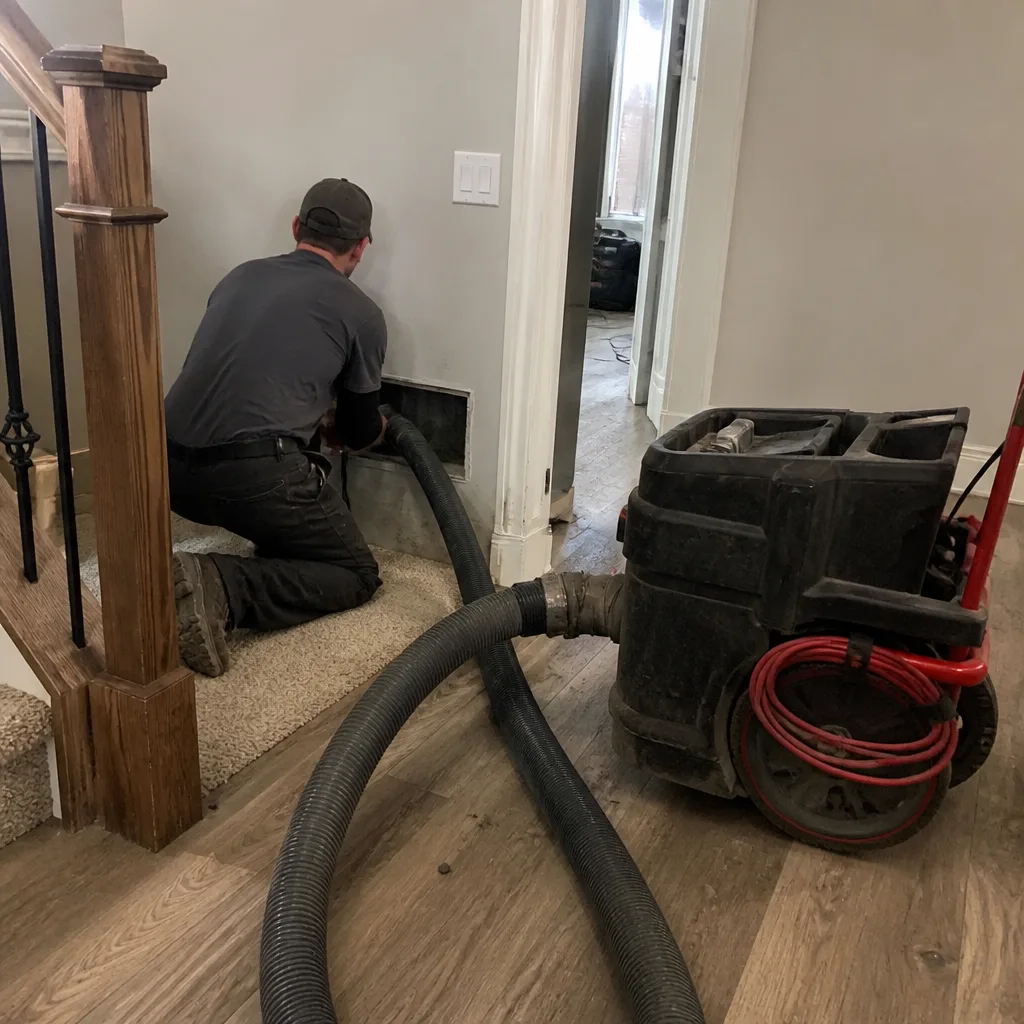 Before
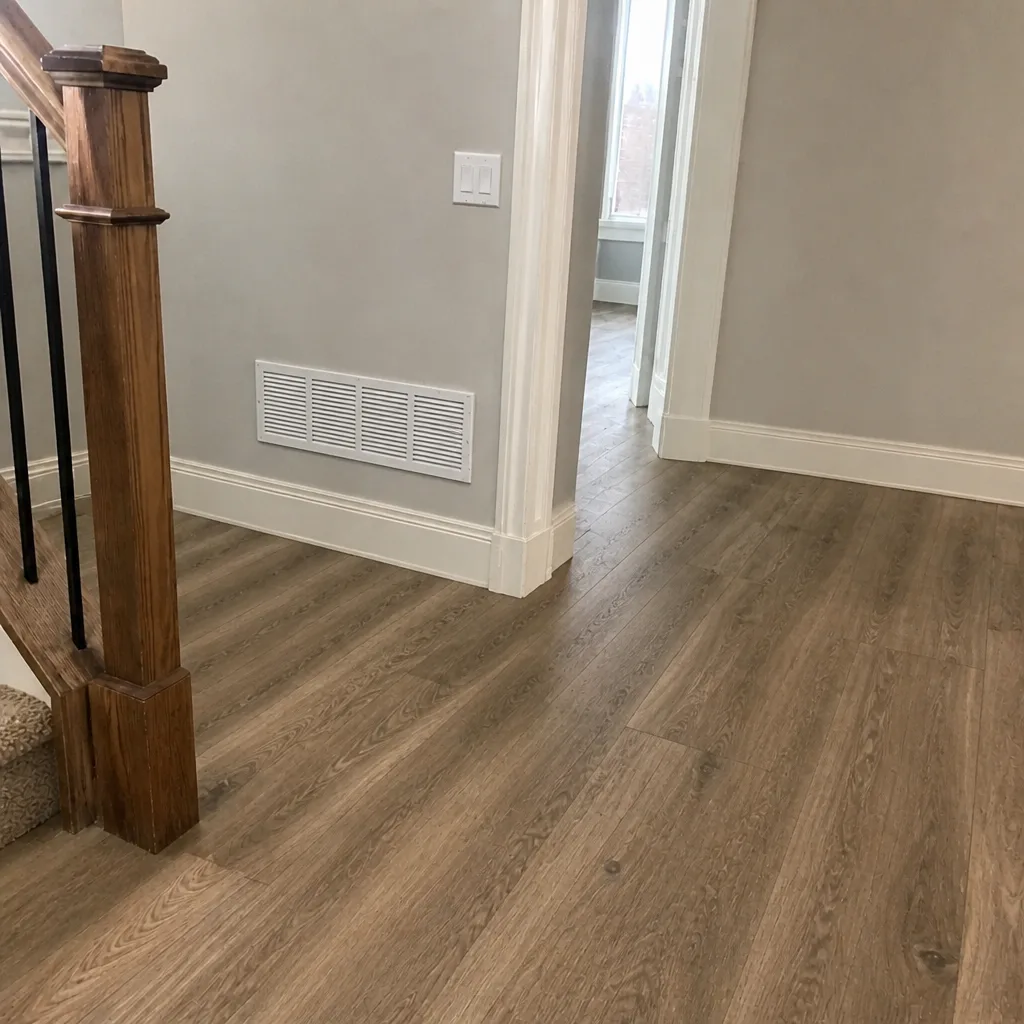 After
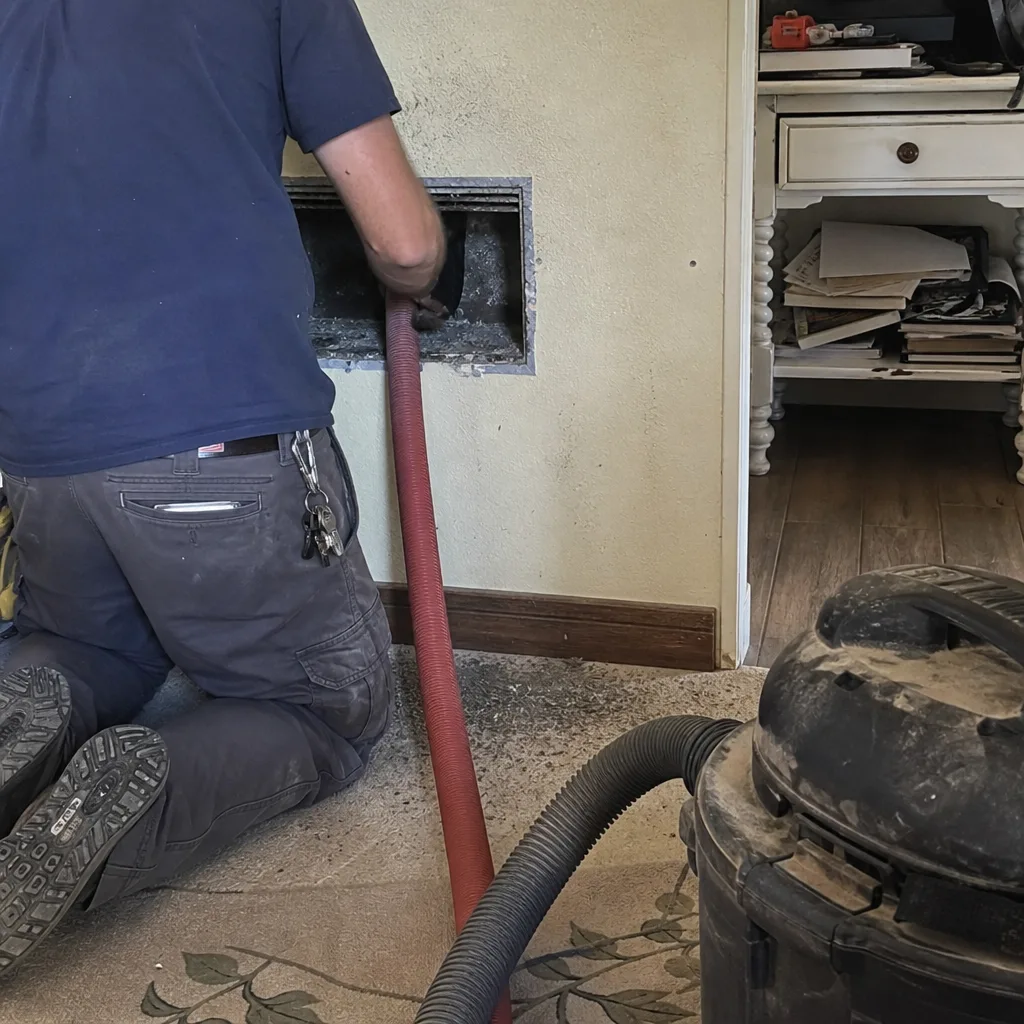 Before
 After
 Before
 After
When to Call a Professional
Some signs are clear enough to skip the delay. If anyone in the house has developed new or worsening allergy symptoms with no obvious source, the ducts should be inspected. If you’ve just moved into a Parker home and don’t know when the system was last cleaned, an assessment is worth booking. Recent renovation in the house – drywall, flooring, or roofing dust – pushes material into the duct system that standard filtration doesn’t catch. Pest activity leaves more than debris behind. Visible mold around registers or damp spots on duct lining means stop and get a trained professional to look, because that’s not a job for owners to open up and inspect themselves.
If your dryer is taking longer to dry clothes or the vent hood louver outside isn’t opening when the dryer runs, don’t leave it – get a specialist in. If you’re noticing uneven airflow between rooms, a duct repair scope should be on the table. Parker Air Duct Cleaning Pros offers free estimates in Parker – call (877) 820-9183. The local pro is licensed and insured as their state requires. Our technicians have up to 8 years of experience, and every job is scoped and priced in writing before anyone shows up.
On the sanitizing side, Guardsman-grade treatments are available as part of an air quality service when a system has a specific contamination issue. That’s not a routine add-on, and it shouldn’t be sold as one. If a contractor is bundling sanitizer into every quote, ask which part of the system actually needs it.
Frequently Asked Questions
You know they’re qualified when they can name their equipment and the standard they work to – not when they show you a certificate. Ask for their NADCA membership status, their CFM rating, whether they use rotary brush agitation or air-sweep alone, and whether they set up containment. A specialist in Parker will answer all four without hesitation. A generalist will get vague quickly.
It depends on the system. Duct cleaning matters when there’s a specific reason – visible debris, pest activity, recent renovation, a new home with unknown history, or allergy symptoms. It isn’t a routine annual item for every house. A good contractor will tell you the difference and won’t push cleaning on a system that doesn’t need it. Call (877) 820-9183 for a free estimate if you want an assessment.
Whole-system pricing is the fair structure – a single flat price per system rather than per vent. Avoid any quote that starts with a teaser and grows once a technician is on site. The written estimate should be the price, and if you ask for it before booking, you’ll spot the difference. Call (877) 820-9183 for a free estimate – the estimate is a written price, not a starting point.
The cheapest quotes usually skip the equipment that does the actual work – high-CFM extraction, rotary agitation, and containment. What’s left is a vacuum hookup and a quick pass. The purpose-built systems we use (Rotobrush and Nikro) do the work a shop vac can’t, and the difference shows in the before-and-after photos and in what’s actually in your ducts once the job is over. Cheap is a cost, not a price. Call (877) 820-9183 and we’ll walk you through the actual scope.
There’s no universal interval. Some houses go a decade or more without needing it; others need attention after a renovation, pest issue, or a change in occupancy. Tight new-build Parker homes and homes with pets or recent remodeling tend to collect more. If you’re unsure, have the system assessed before you commit to a clean – the assessment tells you whether cleaning is warranted.
Stop the conversation. No one should diagnose mold over the phone or before inspecting the system. A real duct specialist will look first and then tell you what they’ve found. If you’re worried about contamination, get a second opinion from a specialist. Call (877) 820-9183 if you want an honest assessment.
Yes, and you should ask for it up front. A legitimate ACR job produces before-and-after photos of the duct interiors as a matter of course. If a contractor resists or says they “don’t usually do that,” that’s information. Built into the scope of work, the documentation requirement protects you and shows you what was actually done.
Duct cleaning focuses on the ductwork – trunk lines, branch runs, and registers. HVAC cleaning includes the mechanical components too, like the blower and the air handler cabinet. A full service usually covers both. See HVAC cleaning for the mechanical side and air duct cleaning for the duct side. A real specialist will scope both when they apply.
The Bottom Line
Hiring an air duct cleaner in Parker is a verification exercise, because Colorado’s licensing setup doesn’t do it for you. The two things that matter most are the contractor’s equipment and their written scope. If they can name their extraction system, their agitation tools, and their containment setup – and put the components and price on paper before the job starts – you’re working with a specialist. If they can’t, you aren’t. Before-and-after documentation, a flat per-system price, and a clear report should come as part of the deal. When a company runs its whole operation that way, the hiring decision gets simpler. For Parker Air Duct Cleaning Pros that means cleaning, repair and sealing, sanitizing, and dryer-vent safety under one roof – and dryer vent cleaning treated with the safety urgency it deserves rather than sold as a perk.
Call (877) 820-9183 for a free estimate. We answer 24/7. Fast dispatch from 7am to 7pm, Sunday through Friday. Our technicians have up to 8 years of experience, and every job is quoted per system by a written estimate. The local pro we connect you with is licensed and insured as their state requires.
Written by the team at Parker Air Duct Cleaning Pros.