
Last updated November 25, 2026
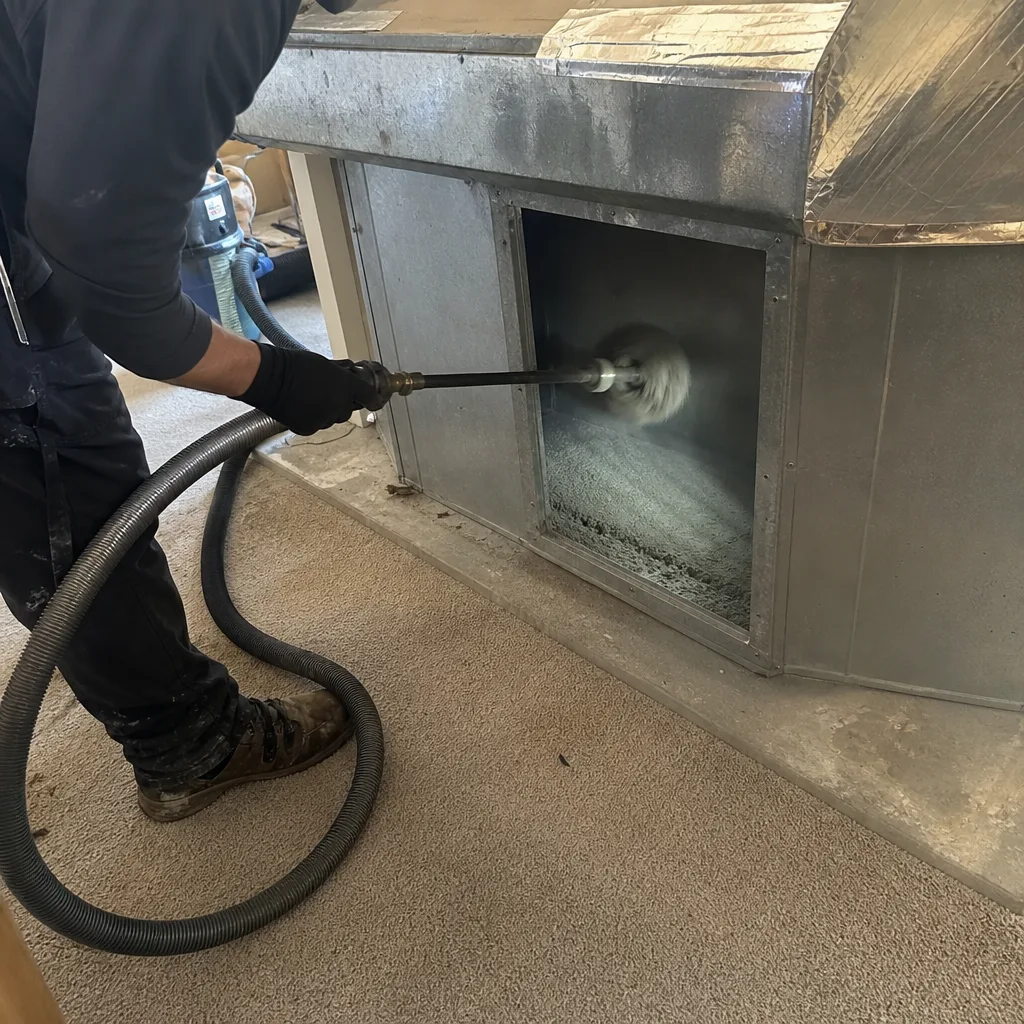
 Whole-home duct cleaning
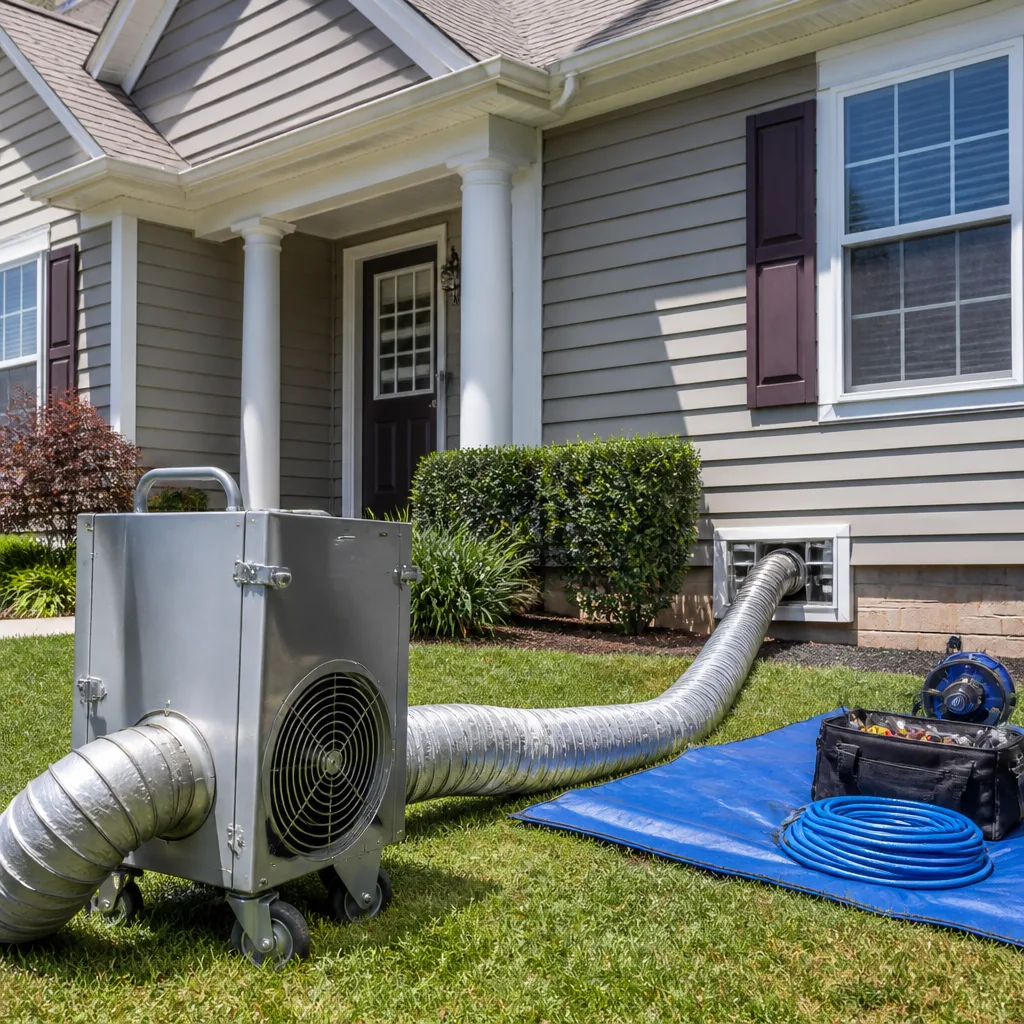
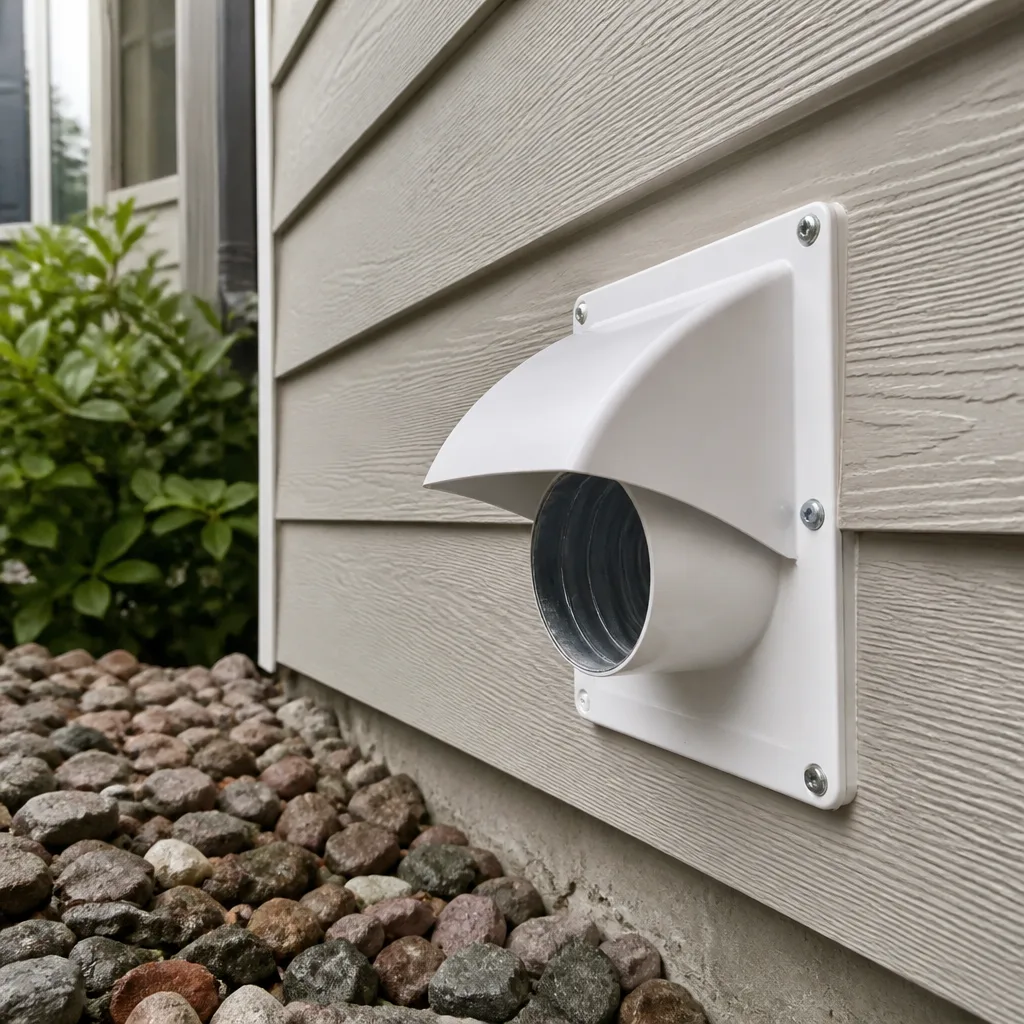 Dryer vent cleaning
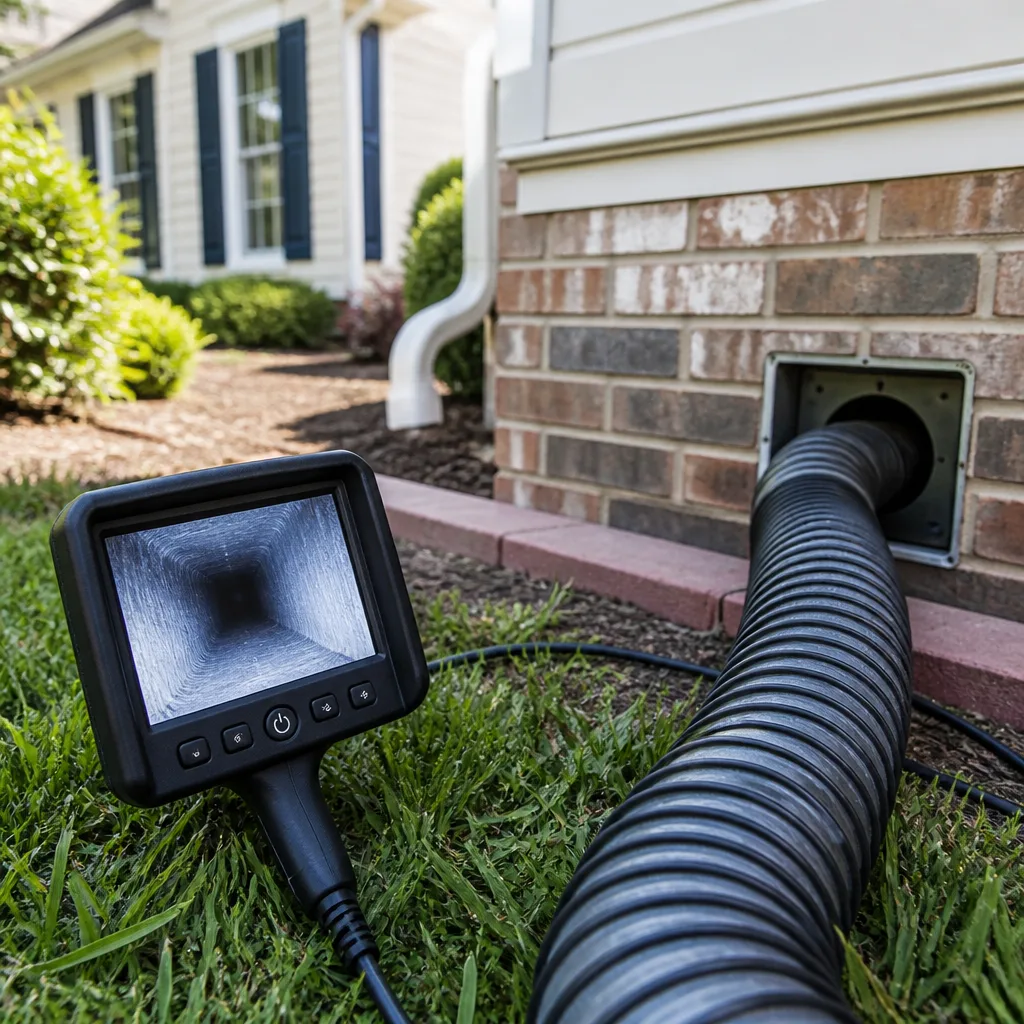 Camera inspection
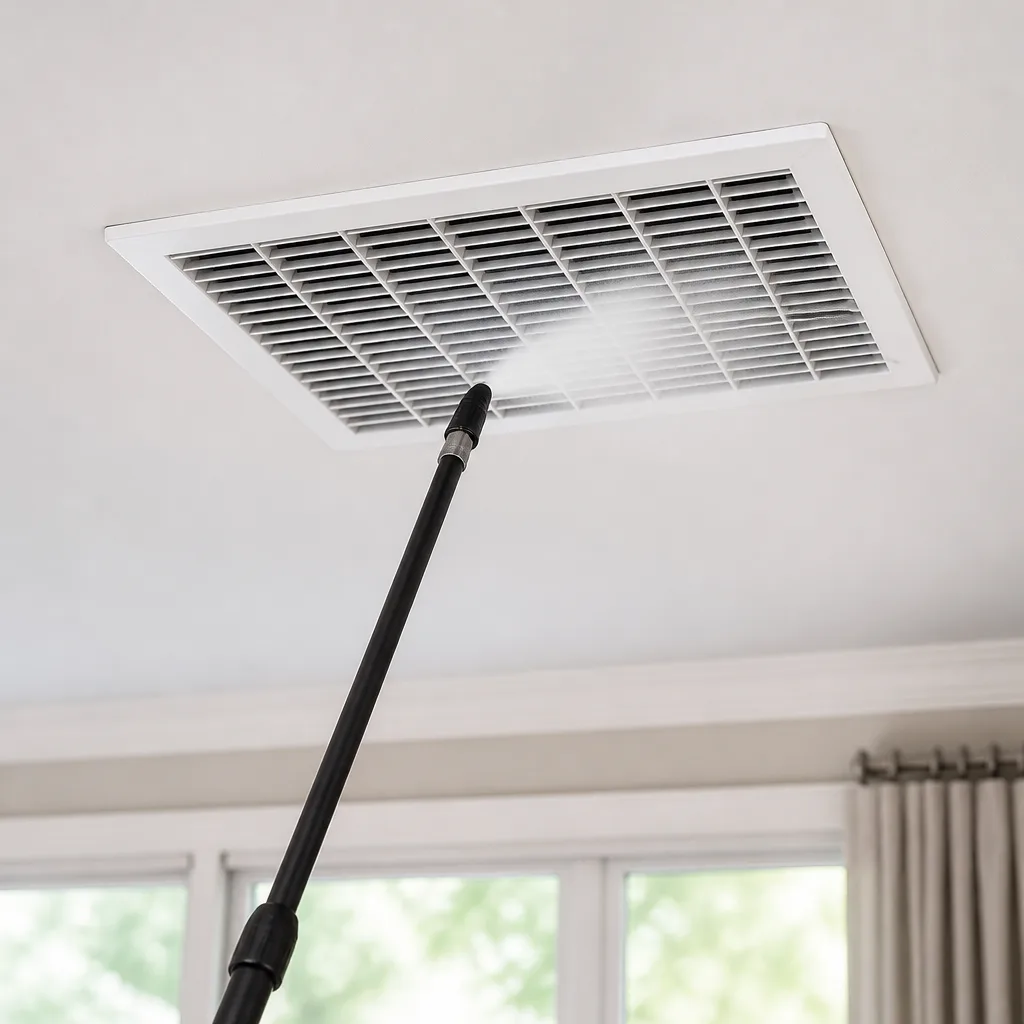 Sanitizing & deodorizing
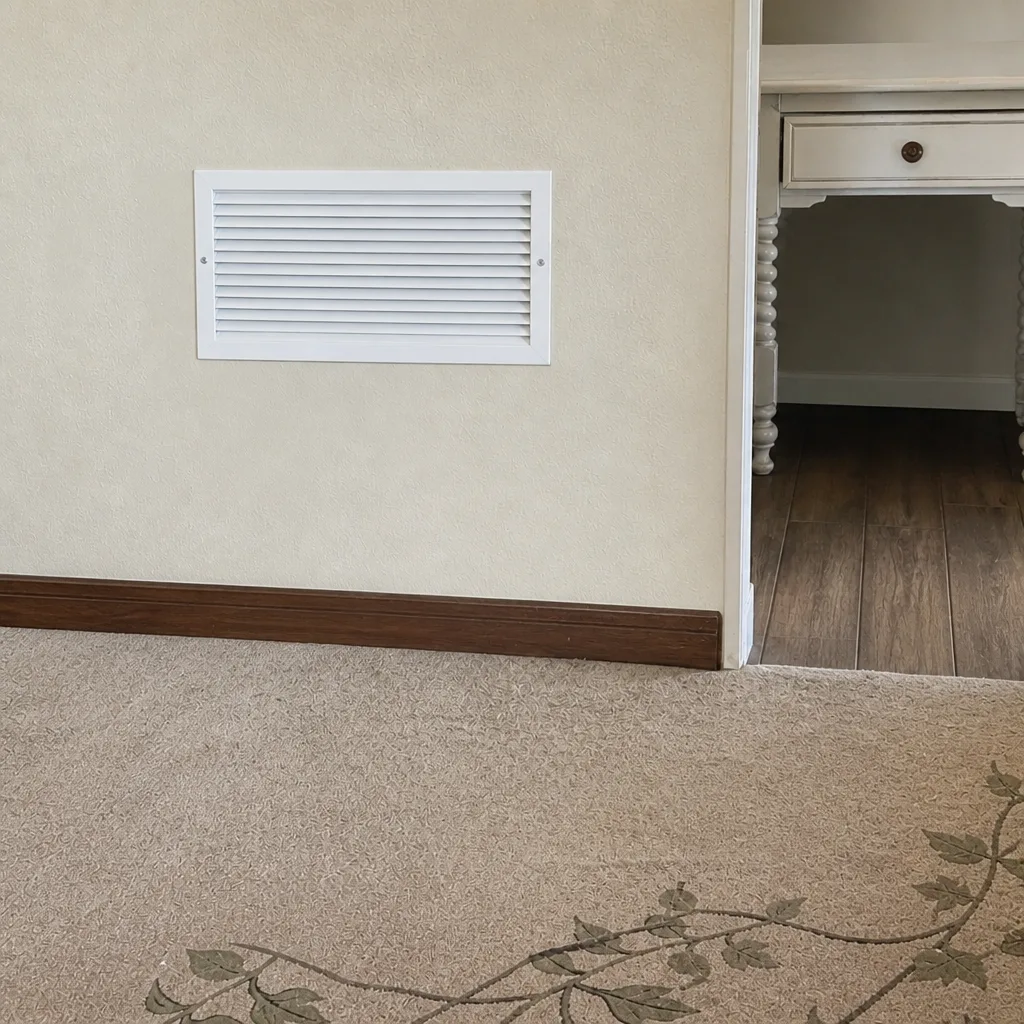
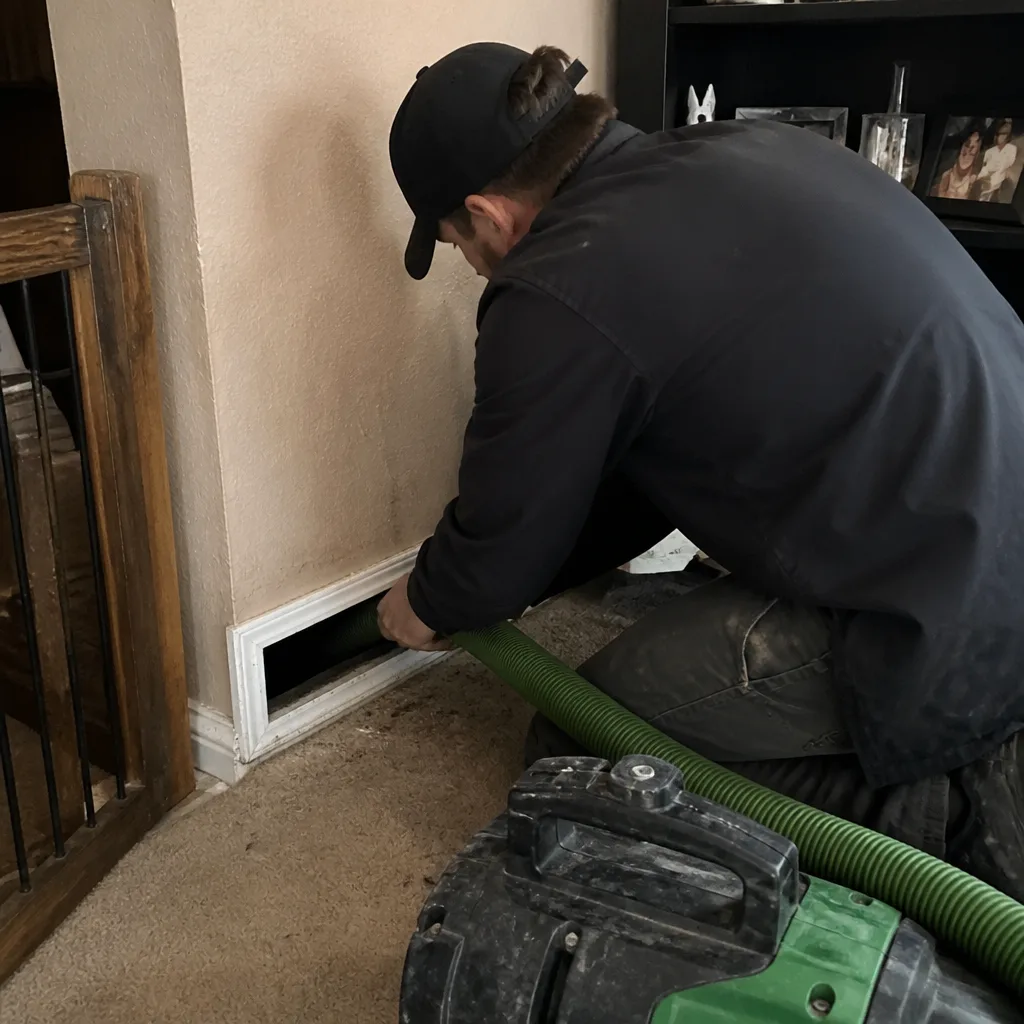
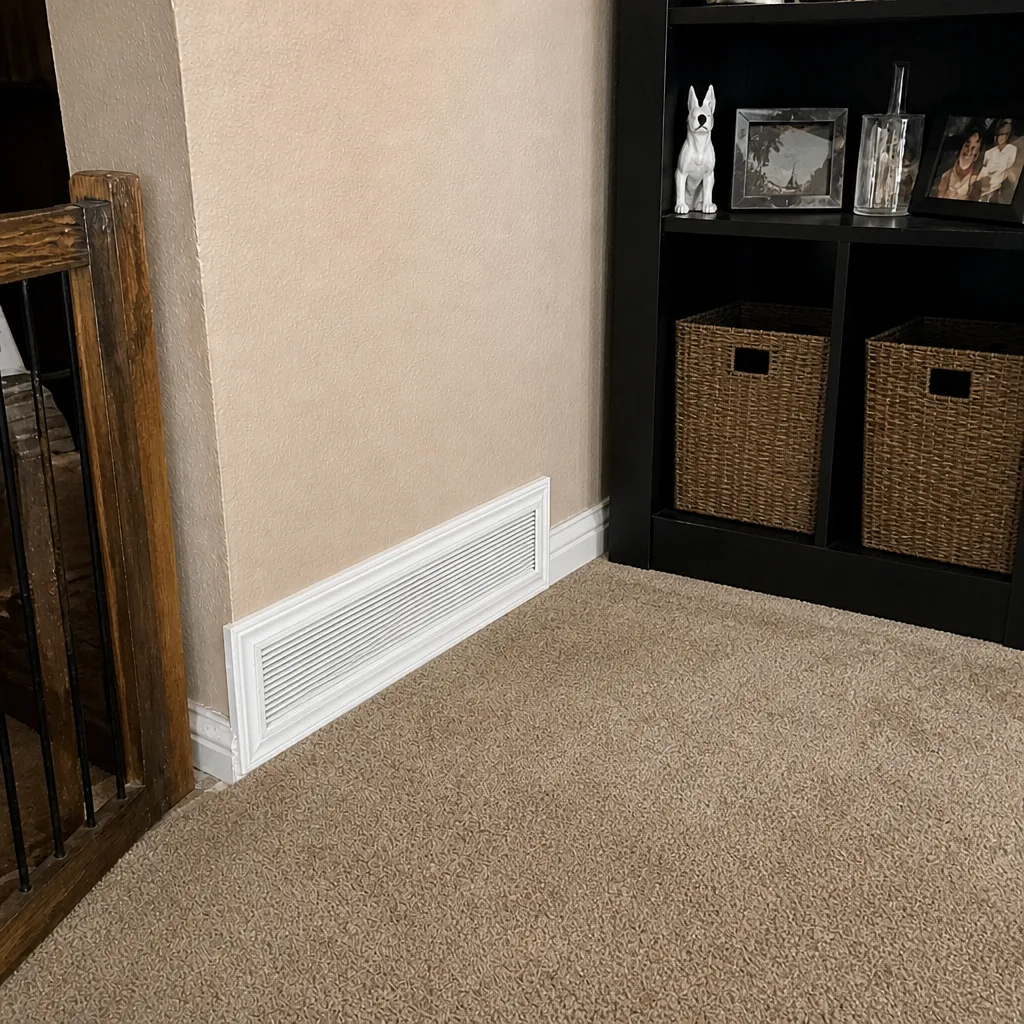
Whole-system duct and dryer vent check with before-and-after photos - you see exactly what came out of your vents
That "$99 whole-house special" is a bait ad - the real number appears once they are in your hallway, or the "clean" is a shop-vac at the register. We photograph the inside of your ducts before and after instead.
Choosing the Right Air Duct Cleaning Brand: A Buyer’s Guide for Parker
Most homeowners have no idea what brand of equipment is being used to clean their ducts, and most contractors prefer it that way. But just as you might ask a surgeon about their equipment or a mechanic about their diagnostic tools, knowing whether your duct cleaning company is running a Rotobrush, a Hypervac, or a Ram-Air system tells you something concrete about what they’re capable of. The equipment question separates specialists from generalists faster than any review or brochure. In this guide, we’ll walk through the major professional equipment manufacturers and what distinguishes their design philosophies, the difference between truck-mounted and portable systems, why contact cleaning beats air-sweep-only methods, and how to ask a contractor about their setup and interpret the answer. You’ll come away able to evaluate a Parker duct cleaning company on evidence rather than promises.
Quick Answer
The right air duct cleaning brand for a Parker home is one that uses professional-grade contact cleaning equipment from manufacturers like Rotobrush, Nikro, or Abatement Technologies, paired with verified negative-pressure containment. Brand name matters less than three things together: the right equipment for your home’s duct layout, an operator trained on that specific system, and documented proof that contaminants were captured rather than pushed into living space. Ask any contractor what equipment they run, how they verify negative pressure, and whether they provide before-and-after photos. A vague answer to any of those is your signal to keep looking.
Styles & brands we work with
- Whole-home duct cleaning
- Dryer vent cleaning
- Camera inspection
- Sanitizing & deodorizing
Table of Contents
- The Major Professional Duct Cleaning Equipment Manufacturers
- Truck-Mounted vs. Portable Systems: What Works in Parker Homes
- Contact Cleaning Tools vs. Air-Sweep-Only Systems
- How to Ask a Contractor About Their Equipment
- Why Setup, Training, and Negative-Pressure Verification Matter More Than Brand
- Five Questions to Ask Before You Book in Parker
- What Makes Parker Duct Cleaning Different
The Major Professional Duct Cleaning Equipment Manufacturers
The duct cleaning industry has a surprisingly small number of professional equipment manufacturers whose products define what “commercial-grade” actually means. Homeowners rarely hear their names because most marketing focuses on the service, not the tools behind it. Learning four or five of them gives you a working vocabulary for judging any contractor who shows up at your door in Parker.
Rotobrush is probably the most recognized name in residential duct cleaning, and for good reason. Their systems use rotary brushes attached to flexible shafts that mechanically agitate the inside of ductwork while a HEPA-rated vacuum captures the loosened debris at the source. The design philosophy is contact-plus-capture: nothing gets moved unless a brush or whip touches it, and nothing escapes because the vacuum is running continuously. That combination is what makes before-and-after results visible.
Hypervac takes a different angle. Their truck-mounted and portable vacuum systems are built around high static pressure and large-volume air movement, which means they can sustain negative pressure across a whole house while cleaning is underway. If you’re cleaning a larger Parker home with multiple zones or long duct runs, that kind of pressure capacity is what keeps the work contained instead of letting fine particulate recirculate into the living room.
Ram-Air is another name worth knowing. Their systems emphasize portability and hose-driven agitation, with air whips and skipper balls that travel through ductwork using compressed air to knock debris loose from every surface. Ram-Air setups work well in homes where access points or duct geometry make rotary brushes impractical.
Abatement Technologies sits at the containment end of the spectrum. Their air-filtration units are the same equipment used in remediation and restoration work, and that signals a containment-first mindset: negative pressure before cleaning, filtration during, and verification after. Seeing Abatement equipment on the truck tells you the contractor thinks about where debris might escape, not just how fast they can clean.
Other names you may encounter include Nikro, whose HEPA-rated vacuums are common in professional duct work, and general-purpose filtration brands like Honeywell and Aprilaire that show up in home air-quality systems. Knowing these names, and the design philosophy behind each, lets you ask a Parker contractor a question they can’t deflect with marketing language.
Truck-Mounted vs. Portable Systems: What Works in Parker Homes
One of the most important equipment decisions a contractor makes is whether to run a truck-mounted negative-pressure system or a portable unit. Each is best suited to different applications, and understanding the difference will help you evaluate what a Parker contractor plans to bring into your home.
Truck-mounted systems generate high static pressure and large air volumes because the power source lives outside the house. That lets them hold negative pressure across a much larger duct network, which is ideal for larger homes, multi-zone systems, and situations where the duct run is long and complex. If you’re in a Parker home with a basement, multiple returns, and a second-floor zone, a truck-mounted setup often delivers superior containment.
Portable units are smaller and more flexible. They can reach tight spaces, attics, and crawlspaces where a truck’s hose can’t go, and they’re the practical choice for condos, townhomes, and single-system homes with limited outdoor access. Many professional portables are still HEPA-rated and generate solid negative pressure within a single zone, which is what matters most.
The right answer depends on your home, not on which system is “better” in isolation. A contractor who uses only one type for every job may be a specialist in that system, but they may also be unable to adapt to homes that need a different approach. The question to ask is: what does my specific Parker home need, and can you deliver that setup?
- Truck-mounted systems – best for larger homes, multi-zone systems, long duct runs, and homes with easy outdoor hose access.
- Portable high-static units – best for condos, townhomes, attics, crawlspaces, and homes where the truck can’t park close.
- Hybrid setups – a truck for the main trunk and a portable for branch lines. Ask whether a contractor is set up to blend the two.
Parker’s mix of housing stock, from older single-family homes to newer builds in the growing subdivisions east of town, means a contractor working here regularly should be comfortable with both. If they’ve only got one truck system and one portable and no clear answer for why either fits your situation, that’s worth noticing.
Contact Cleaning Tools vs. Air-Sweep-Only Systems
There are two fundamental approaches to cleaning ductwork: contact cleaning and air-sweep-only. They are not equivalent, and the difference is one of the biggest quality gaps you’ll find between Parker contractors.
Contact cleaning uses mechanical tools that physically touch the inside of the duct. Rotary brushes, air whips, and skipper balls are all examples. Each tool does a slightly different job. Rotary brushes scrub the walls of the duct, loosening adhered dust, lint, and buildup. Air whips attack surfaces with a high-velocity blast of air at close range. Skipper balls travel through the ductwork with compressed air, knocking debris from the entire circumference. The common thread is that a tool makes contact with the surface where the contamination lives.
Air-sweep-only systems don’t make contact. They use negative pressure and a bulk airflow to pull loose debris through the ductwork and into the vacuum. That works for light dust and lint, but it does nothing for material that’s adhered to the walls, which is most of what accumulates over years. Air-sweep-only cleaning often looks dramatic in the vacuum, but the visible result inside the duct is limited.
Professional-grade setups combine both. A contractor using Rotobrush rotary brushes plus a Nikro HEPA vacuum, for example, contacts the surface and captures what gets loosened. An Abatement Technologies filtration unit running alongside provides containment. That’s the combination that produces genuinely visible before-and-after results rather than a promise that work happened.
When you ask a Parker contractor about their method, listen for the word “contact” or specifics like rotary brush or air whip. If the answer is only about suction, “high-powered vacuum,” or “air sweep,” you’re talking to someone who doesn’t plan to touch the inside of your ductwork.
How to Ask a Contractor About Their Equipment
Asking about equipment is not adversarial. A specialist who works with professional-grade equipment every day is usually happy to talk about it, because it’s the part of the job they’re proudest of. The exchange itself tells you a lot about who you’re hiring.
Here’s a step-by-step approach that works on a phone call or an on-site visit in Parker:
- Ask what brand of equipment they run. A specific answer (“we use Rotobrush rotary brushes with a Nikro HEPA vacuum”) is the response you want. A vague answer (“professional-grade equipment”) or a deflection (“we use the best on the market”) is your first signal.
- Ask whether they use contact cleaning or air-sweep-only. The correct answer includes mechanical tools touching the duct. “We sweep the whole system with high suction” is air-sweep-only, however it’s phrased.
- Ask how they maintain negative pressure during cleaning. Look for words like containment, filtration, or Abatement. If the reply is “we just use the vacuum,” the containment story is thin.
- Ask for before-and-after photos of a previous job. Not stock images. Photos of an actual duct interior before and after cleaning. A contractor using contact equipment can show these because they capture the results.
- Ask what they’d do if a duct run isn’t accessible with their standard tools. The honest answer is usually “we’d tell you and quote separately,” not “we’d figure it out.”
What does a deflective answer signal? It usually means one of three things: they don’t have professional gear, they don’t know their own setup well, or they know the answer will lose them the job. Any of those is a good reason to keep looking. Our team at Parker Air Duct Cleaning Pros is happy to talk specifics on an air duct cleaning call precisely because the equipment story is what separates a real cleaning from a vacuum pass.
Why Setup, Training, and Negative-Pressure Verification Matter More Than Brand
Here’s the counterintuitive part: a contractor running a Rotobrush or a Ram-Air system badly can produce worse results than a careful operator running a mid-tier system well. Equipment brand is a starting signal, not a finish line. What actually determines the outcome is setup, technician training, and verification of negative pressure.
Setup means the contractor has analyzed your specific duct layout before work starts. That means sealing every return and supply so the vacuum pulls only from the ductwork, not from the room. It means staging the filtration and vacuum equipment so the whole system is under negative pressure from the first minute to the last. A skilled setup on professional equipment produces a contained, mechanical clean. A poor setup on the same equipment produces a leaky job where fine dust escapes and ends up on your counters.
Training matters because rotary brushes and air whips take judgment. Different duct materials need different tools. Flexible duct responds differently from sheet metal. Older Parker homes often mix duct materials, and a technician who knows the equipment well can pick the right tool for each run instead of using one size fits all.
Negative-pressure verification is the step most contractors skip. It involves confirming that the containment held throughout the cleaning, typically with the Abatement Technologies-style filtration running and the vacuum keeping the system under pressure. Without verification, negative pressure is a claim, not a fact. Ask any Parker contractor how they verify; the ones who can describe the process are the ones who actually do it.
The comfortable truth is that a modest system, used well, produces a visibly better result than a fancy system used clumsily. The less comfortable truth is that you can’t just trust the sticker on the truck. Ask about setup, ask about training, and ask about verification. The answers will separate the specialists from the pretenders.
Five Questions to Ask Before You Book in Parker
You don’t need to become an equipment expert to hire well. Five questions will get you 90% of the way to a good decision. These are the ones we’d want a homeowner to ask us as much as any other contractor in Parker.
- What specific equipment will you use in my home? Look for a brand name and a method. “Rotobrush with a Nikro HEPA vacuum” or “Ram-Air with containment filtration” tells you they know their tools.
- How will you contain the debris during the job? Ideally: negative pressure across the whole system, plus filtration. Vague answers about “our vacuum is strong” don’t count.
- Do you clean the whole system or only the accessible parts? A complete clean covers every supply, return, the main trunk, and the air handler. “We hit the lines we can reach” is a partial job.
- Can you show me before-and-after photos from a recent job? If they can, the photos exist because the equipment captures visible results. If they can’t, the results may not exist to photograph.
- What’s included in the quote and what isn’t? A specialist contractor in Parker should be able to write a quote that covers the whole system, any sealing or repair needed, and the sanitation treatment as separate line items. If the quote is a single number with no breakdown, ask for a written estimate before you book.
Any contractor who answers all five cleanly is one you can work with. Any contractor who stumbles on the first two is one you should walk away from. The questions cost nothing, and the answers are worth more than any review average.
What Makes Parker Duct Cleaning Different
Parker sits on the Front Range, and that location shapes what accumulates in a home’s ductwork in ways homeowners from other regions don’t always expect. The town has a dry climate, with low humidity through most of the year, and spring and summer winds carry fine dust and pollen from the surrounding prairie into homes. The wind-driven dust doesn’t just settle on surfaces; it’s drawn into the return ducts and lodges in the same crevices that build up year after year.
Parker’s housing mix adds another layer. Newer subdivisions often have tighter homes with modern duct layouts, which is good for efficiency but means ductwork is a more prominent part of the air system. Older homes in and around downtown Parker often have ductwork from an earlier era, with different materials and cleaning access points. A contractor working specifically in Parker should be comfortable with both ends of that spectrum and know how to adapt their equipment to each.
Renovations are another common trigger. Any time a Parker home has had a kitchen or basement remodel, drywall dust and construction debris end up in the ductwork, and standard HVAC maintenance doesn’t address it. The same is true for pest or mold concerns: once you’ve had either, the ducts are the part of the system that doesn’t get reached by a routine service call. That’s why the specialist approach matters here, because HVAC cleaning, dryer vent cleaning, duct repair, sealing, and sanitizing all sit in the same discipline rather than spreading across unrelated trades.
What this means practically: when you’re evaluating a Parker contractor, you want proof they’ve worked in this climate and this housing mix, not just a general service menu.
Common Mistakes to Avoid
- Booking on price alone. The cheapest quote in Parker is usually air-sweep-only or a shop-vac setup. Expect the low number to come with a limited clean and no verification.
- Accepting “professional-grade” as an answer. It’s a marketing phrase, not an equipment brand. Push for Rotobrush, Nikro, Ram-Air, or Abatement Technologies by name.
- Skipping the before-and-after photos. A contractor using contact cleaning equipment can show them. A contractor who can’t is usually air-sweep-only.
- Assuming the whole house is being cleaned. Ask explicitly what’s covered. Some quotes cover the supply lines only and skip the returns or the air handler.
- Letting the work happen without negative-pressure containment. If dust puffs out of a return while the contractor is cleaning, containment isn’t working. Watch for it.
- Ignoring connected problems. A duct cleaning that misses a failing seal or a dryer vent packed with lint won’t actually solve the air quality issue. Ask for a full system assessment.
- Not asking about sanitation as a separate step. If you’ve had pests, water intrusion, or mold concerns, cleaning alone may not address the contamination in the duct interior. Ask what the contractor uses for sanitizing and whether it’s rated for the equipment installed in the home.
See the difference
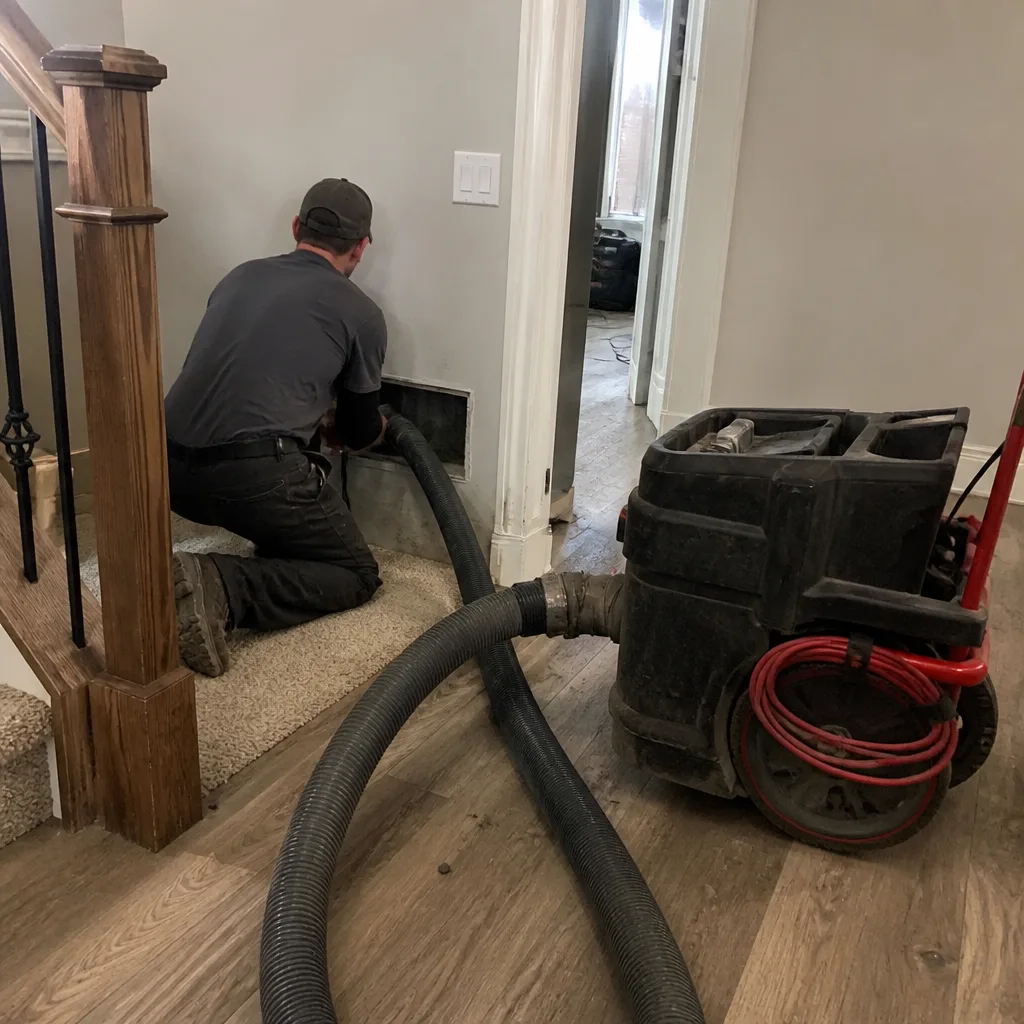 Before
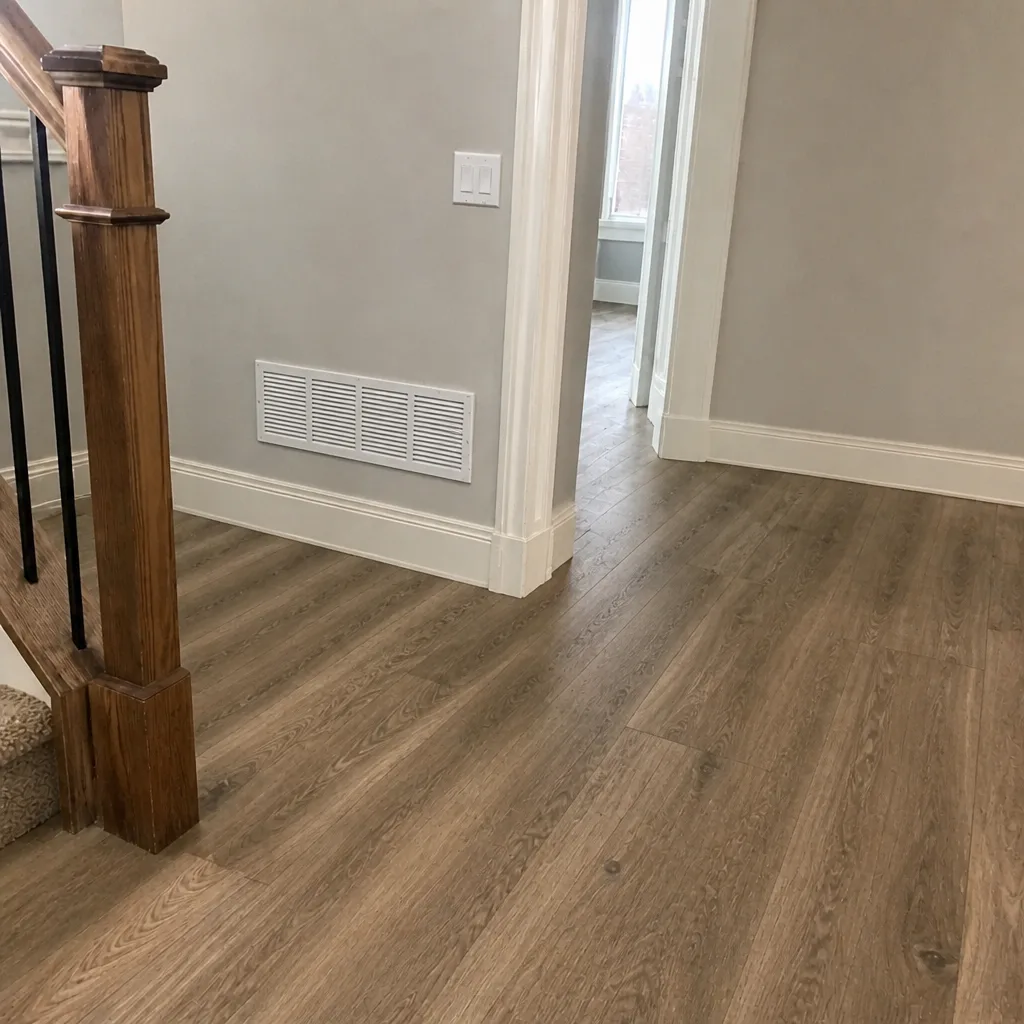 After
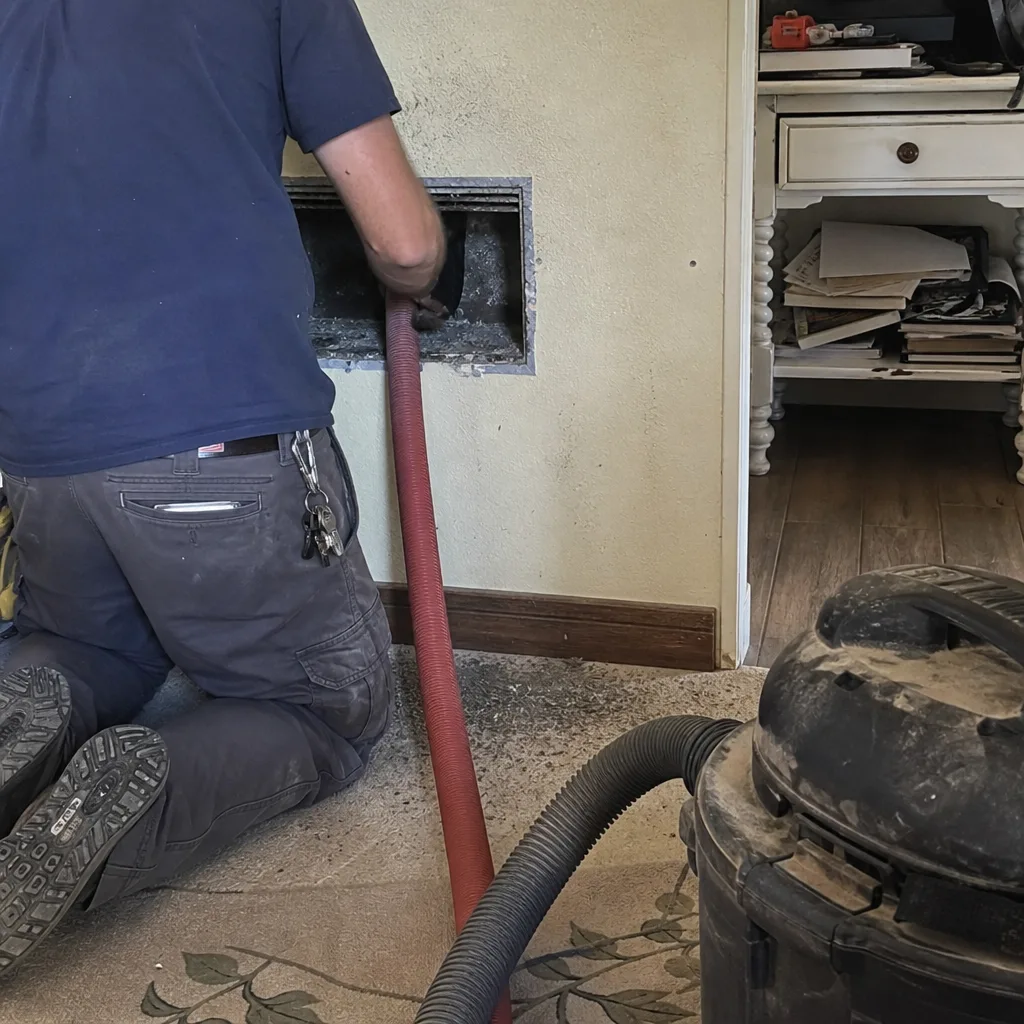 Before
 After
 Before
 After
When to Call a Professional
The right time to call a professional is when standard HVAC maintenance has already shown it isn’t enough. That’s true after a renovation that put drywall dust into the return lines, after pests or a water event, when a home has visible dust trails around vents, or when allergy symptoms seem to intensify indoors. It’s also true for new-home buyers who inherited an unknown system history and want to start from a known clean state.
Dryer vent cleaning is a separate case. It’s a fire-risk issue, not a comfort issue, and lint buildup inside a dryer exhaust line is the kind of thing that doesn’t fail loudly until it does. Treat it as its own scheduled job rather than an add-on. Our technicians have up to 8 years of experience and we offer a free estimate in Parker for any of the five services we handle. Call (877) 820-9183 to talk through your situation. We answer 24/7. Fast dispatch from 7am to 7pm, Sunday through Friday.
Frequently Asked Questions
The most common professional names are Rotobrush (rotary brush extraction systems), Nikro (HEPA-rated vacuum systems), Ram-Air (compressed-air agitation tools), Abatement Technologies (negative-pressure filtration), and general air-quality brands like Honeywell and Aprilaire. Any of those names, used together as a proper contact-plus-capture setup, is a good sign. Call (877) 820-9183 for an exact quote on your Parker home – estimates are free.
An honest quote for a full-system clean in Parker depends on the size of the home, the number of runs, and whether sealing or repair work is needed. It’s not a per-vent price, and it shouldn’t be a teaser number that changes when the truck arrives. Ask for a written estimate that covers the whole system before you book. Call (877) 820-9183 for an exact quote – estimates are free.
Cheap quotes usually reflect a lighter job: air-sweep-only methods, no containment filtration, no before-and-after photos, and often a partial clean rather than a full system. The savings come from doing less, not from being more efficient. A written estimate that breaks down the whole-system clean is the fair comparison to make. Call (877) 820-9183 for an exact quote – estimates are free.
You should see before-and-after photos of your own duct interiors, and you should hear a clear explanation of the containment and negative-pressure setup. If a contractor can’t show you either, ask why before you pay. Call (877) 820-9183 for an exact quote – estimates are free.
Most homes don’t need it on a fixed schedule. Renovations, pest or water events, new-home purchases with unknown history, and visible dust around vents are the common triggers. Many Parker homeowners go several years between cleanings, then need one when a specific event puts debris into the system. If you’re unsure, a free assessment is cheaper than guessing. Call (877) 820-9183.
After, always. Renovation dust gets drawn into returns during the work, and the cleaning afterward captures what settled into the ductwork. Cleaning before the renovation just means you’ll be cleaning again. Book the clean once the dust in the main living areas has settled. Call (877) 820-9183 for scheduling.
Negative pressure means the duct system is held under vacuum from the moment cleaning starts to the moment it stops, so loosened debris goes into the filtration equipment instead of drifting into the room. Without it, fine dust escapes and lands on your counters and furniture. A specialist should be able to describe exactly how they hold and verify negative pressure. Call (877) 820-9183 for an exact quote – estimates are free.
Parker’s dry climate and wind-blown dust from the surrounding prairie mean fine particulate builds up in ductwork more steadily than in more humid regions. That doesn’t mean every home needs frequent cleaning, but it does mean the buildup is worth inspecting after renovation, pest events, or a home purchase. Call (877) 820-9183 for a free assessment.
The Bottom Line
Choosing the right air duct cleaning brand in Parker comes down to checking evidence, not promises. Ask what equipment the contractor runs, by name, and expect a specific answer like Rotobrush or Nikro. Ask how they maintain and verify negative pressure, and expect words like containment and filtration. Ask for before-and-after photos, and expect to see a duct interior clear enough to judge. If any of those three answers is vague, the contractor isn’t ready. If all three are specific, you’re dealing with a specialist. That’s the standard our team at Parker Air Duct Cleaning Pros holds itself to on every job, and it’s the standard any Parker homeowner should hold every contractor to.
If you’d rather start with a conversation than an inspection, our team is glad to walk you through the specifics on a Parker Air Duct Cleaning Pros call, and we can put together a written estimate covering the whole system. Call (877) 820-9183 for a free estimate. We answer 24/7. Fast dispatch from 7am to 7pm, Sunday through Friday.
Written by the team at Parker Air Duct Cleaning Pros.